How to Get Smarter: 3 Evidence-Based Habits and a Weekly Plan
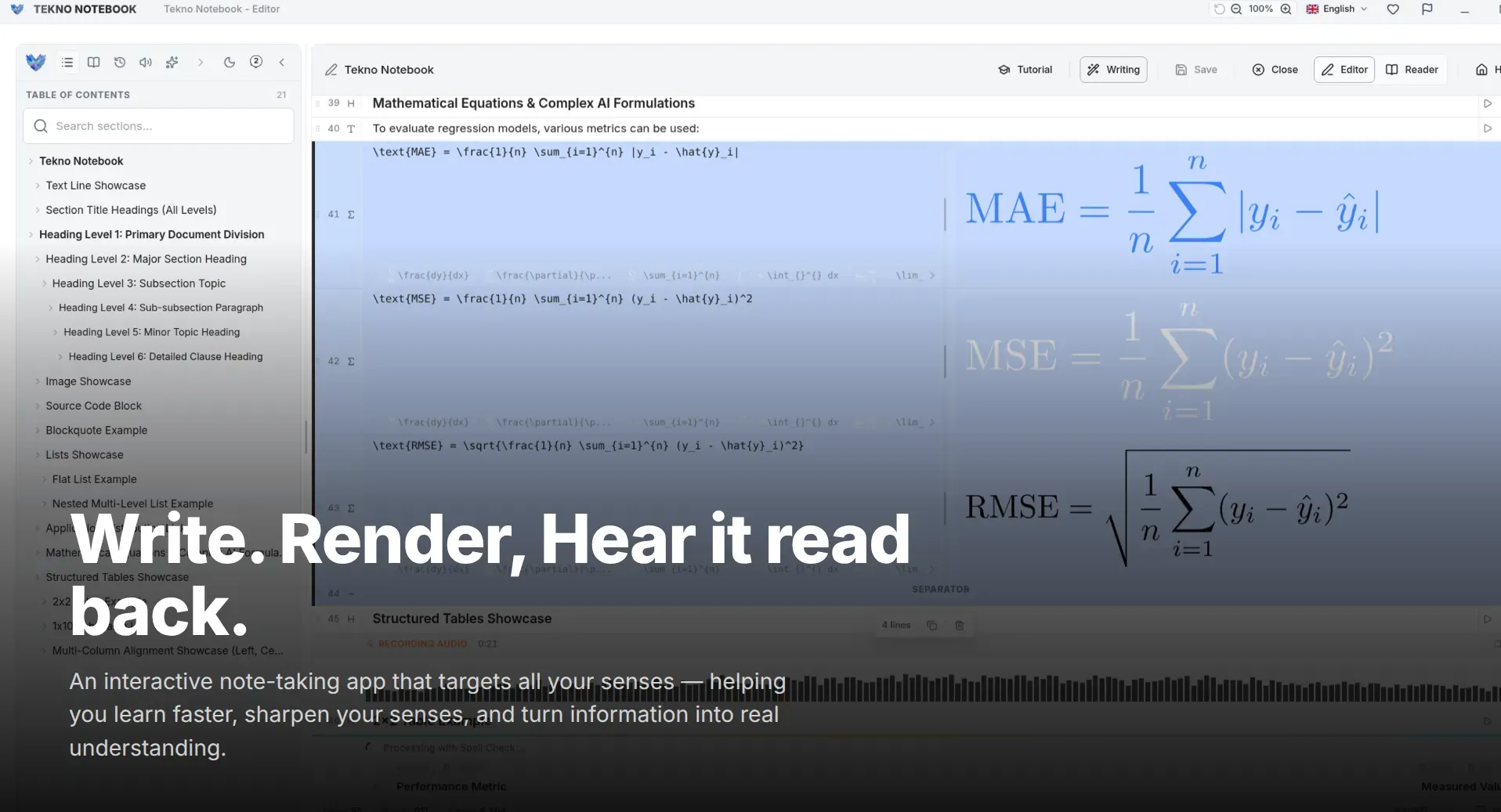
No app or supplement replaces sleep, practice, and reading. Learn three habits that make you learn faster and remember more, plus a weekly plan and a recall prompt for Tekno Notebook.
Smarter Isn’t a Hack, It’s a Routine
Nothing replaces sleep, practice, and reading.
Memory experts quoted by The Guardian this month keep returning to the basics: learn new skills, read regularly, and sleep at least seven hours, because the brain consolidates what you learned while you sleep. Science news this week also highlighted studies linking reading for pleasure to better memory and lower stress.
There is a modern twist too. A Stanford SCALE review of 52 studies, updated on November 10, found that students who let AI produce the work tended to do worse once it was taken away. Getting smarter still requires the effort of recalling, explaining, and writing things yourself.
Three Habits That Do the Most Work
1. Protect Your Sleep Like a Study Session
Aim for at least seven hours, study the hard material earlier in the day, and do a short review in the evening. Sleep is when the day’s learning is consolidated, so cutting it to cram trades tomorrow’s memory for tonight’s hours.
2. Retrieve, Don’t Just Reread
Close the book and write what you remember, then check. Pulling information out of memory strengthens it more than rereading does, and the gaps show what to study next. Repeat those tests across several days.
3. Read Widely, and Think Before You Ask
Read books or long articles regularly, not only short feeds. When you hit a problem, try it yourself before asking AI. The struggle is where learning happens, so use AI afterward to check your reasoning.
A Weekly Plan That Fits Real Life
Five small blocks, no heroic willpower.
- Every night: protect seven or more hours of sleep.
- Three times a week: 20 minutes of recall from memory, then check your notes.
- Twice a week: 30 minutes with a book or long article, notifications off.
- Once a week: explain one idea aloud or in writing, in your own words.
- Once a week: review your notes and fix whatever was unclear.
Smarter is what remains after the effort, not what you copy from a screen.
Your Notes as a Thinking Tool
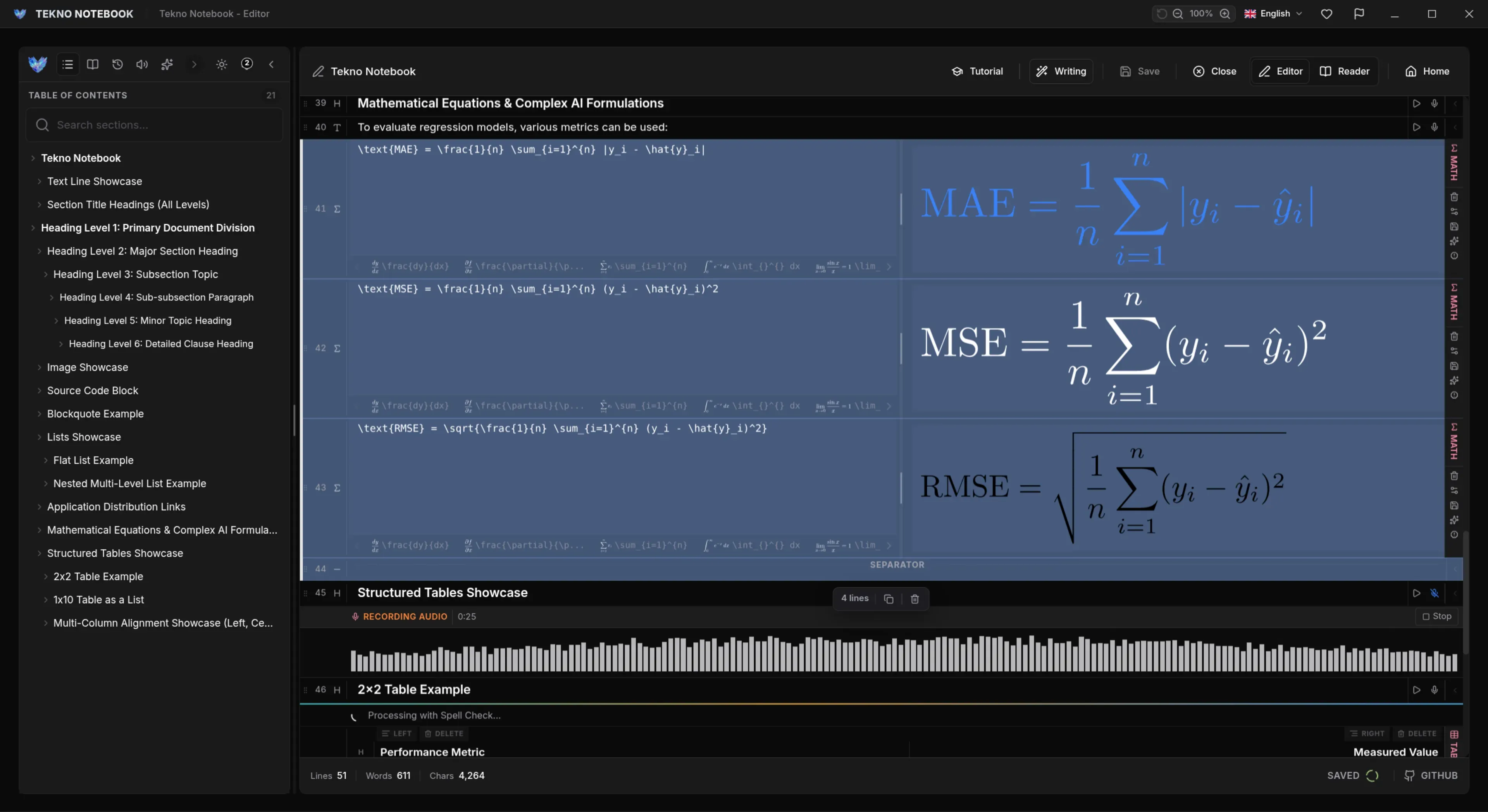
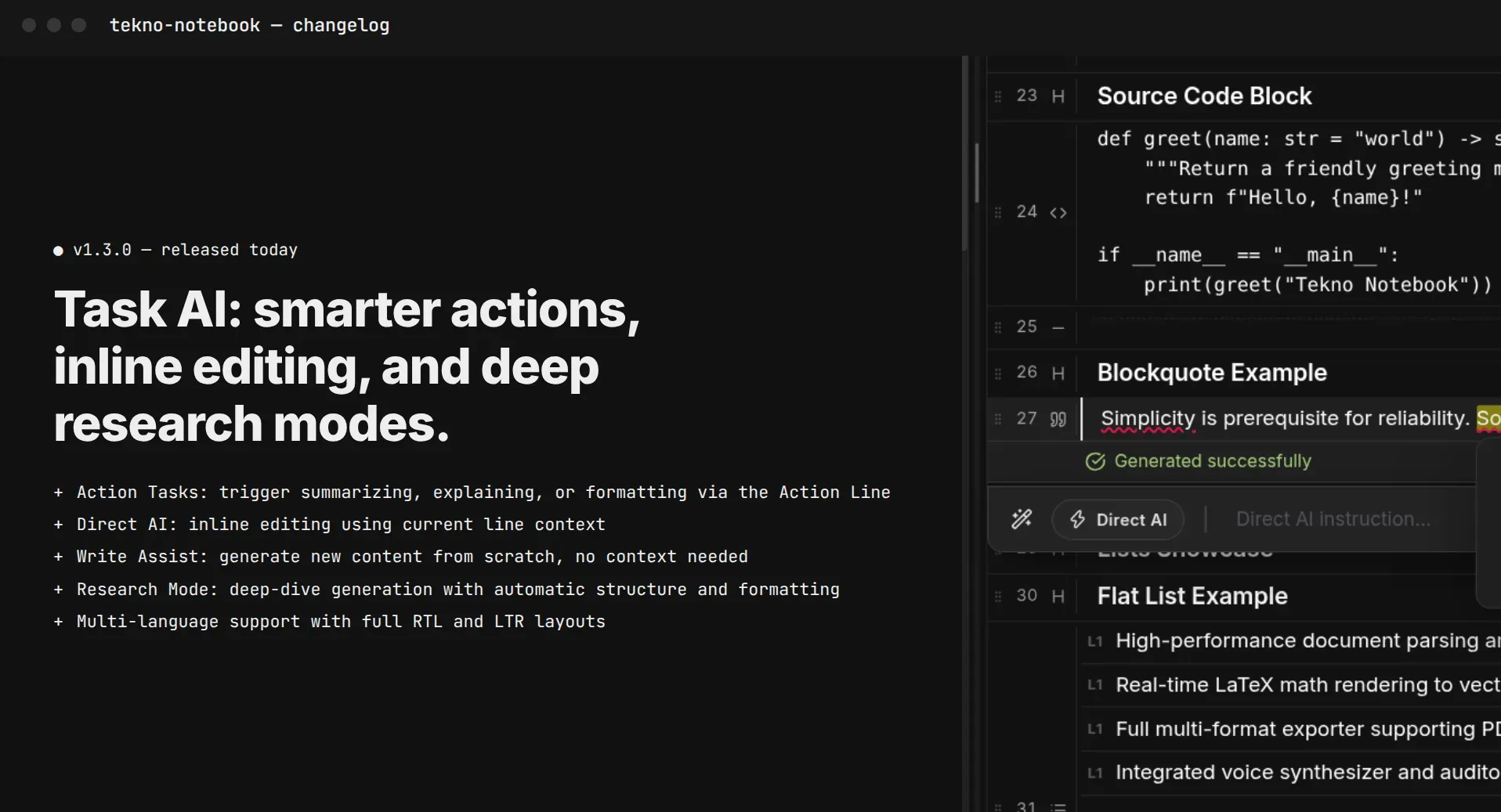
Notes work when they are yours. In Tekno Notebook, write what you remember first, then compare it with your lesson and mark the gaps. Use the built-in AI assistant after you try, to quiz you on those gaps, and the audio reader to review by ear while you walk or rest. Everything stays as files on your device, with no account and no tracking. Try this prompt with your notes:
Here are my notes on [topic]: [paste notes].
Do not summarize them. Ask me one question at a time that tests understanding, not memorization.
Wait for my answer, tell me what I got right and what I missed, and ask one follow-up.
If I answer correctly twice in a row, make the next question harder.
Ready to try it? Explore the Tekno Notebook project page (/en/project/TeknoNotebook). Keep reading: How to Study Effectively with Notes: Active Recall, Fast Capture & Smart Retention (/en/blog/how-to-study-effectively-with-notes) and Study Without Distractions: A Deep-Work Setup for Students Tired of Screens and Notifications (/en/blog/study-without-distractions-desktop-deep-work-setup).

Tekno Notebook
Recall first, check second
A free offline desktop notebook for writing what you remember in your own words, then checking it. Quiz yourself with the built-in AI assistant and review by ear with the synchronized audio reader.
- Built-in AI assistant that can quiz you on your own notes
- Reader mode with an interactive table of contents for self-testing
- Audio reader that highlights each line as it is spoken
- Notes saved as plain files on your device, with no account and no tracking