Accused of Using AI? Keep the Evidence of How You Wrote It
AI detectors are unreliable, and schools are shifting toward judging the writing process. Learn why false flags happen, what evidence helps, and how to keep dated notes and drafts with Tekno Notebook.
A Detector Score Is Not Proof
Schools are moving from checking the output to checking the process.
A Stanford study found that seven popular AI detectors flagged 61.3 percent of essays by non-native English speakers as AI-written, while being near-perfect on essays by US-born students. In early 2026, a New York court overturned a university’s AI-cheating finding that rested on a single detector report and ordered the student’s record cleared.
Institutions are responding. The University of Surrey says that from September 2026 it assesses students’ processes, not only their final outputs, and English literature students there submit drafts and revision memos to show authorship. Whether or not you use AI, the safest habit is being able to show how your work came together.
Three Things That Make Your Work Defensible
1. Write in Layers
Keep an outline, a rough draft, and a final version as separate dated files instead of one overwritten document. Layers show an idea growing, which a pasted block of text can’t.
2. Keep Your Sources and Notes
Save the notes you took while reading, with where each idea came from. They show the thinking was yours and make citing easier.
3. Disclose Any AI Help
Follow your school’s policy. If AI helped you brainstorm or check grammar, say so and note the tool and what you used it for. Undisclosed AI text can count as misconduct, so disclosure protects you.
If You Are Flagged: A Calm Checklist
Respond with evidence, not panic.
- Don’t reply in anger, and don’t admit to anything you didn’t do.
- Ask for the detector report and which passages were flagged.
- Gather your drafts, notes, sources, and version history.
- Check your school’s policy on whether a score alone can count as proof.
- Offer to explain your work aloud or answer questions about it.
Process is becoming the proof.
Keep Your Process in Files You Control
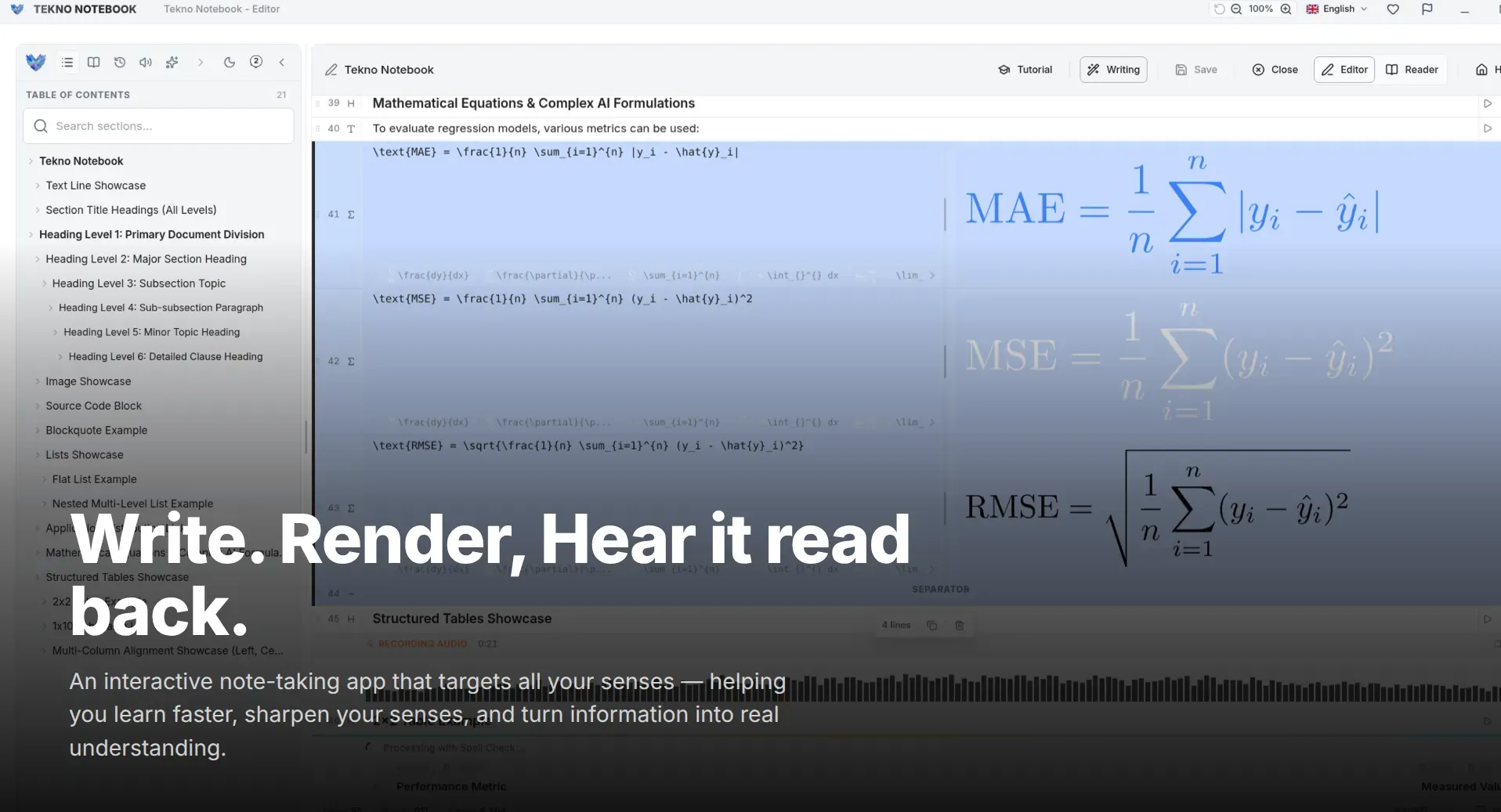
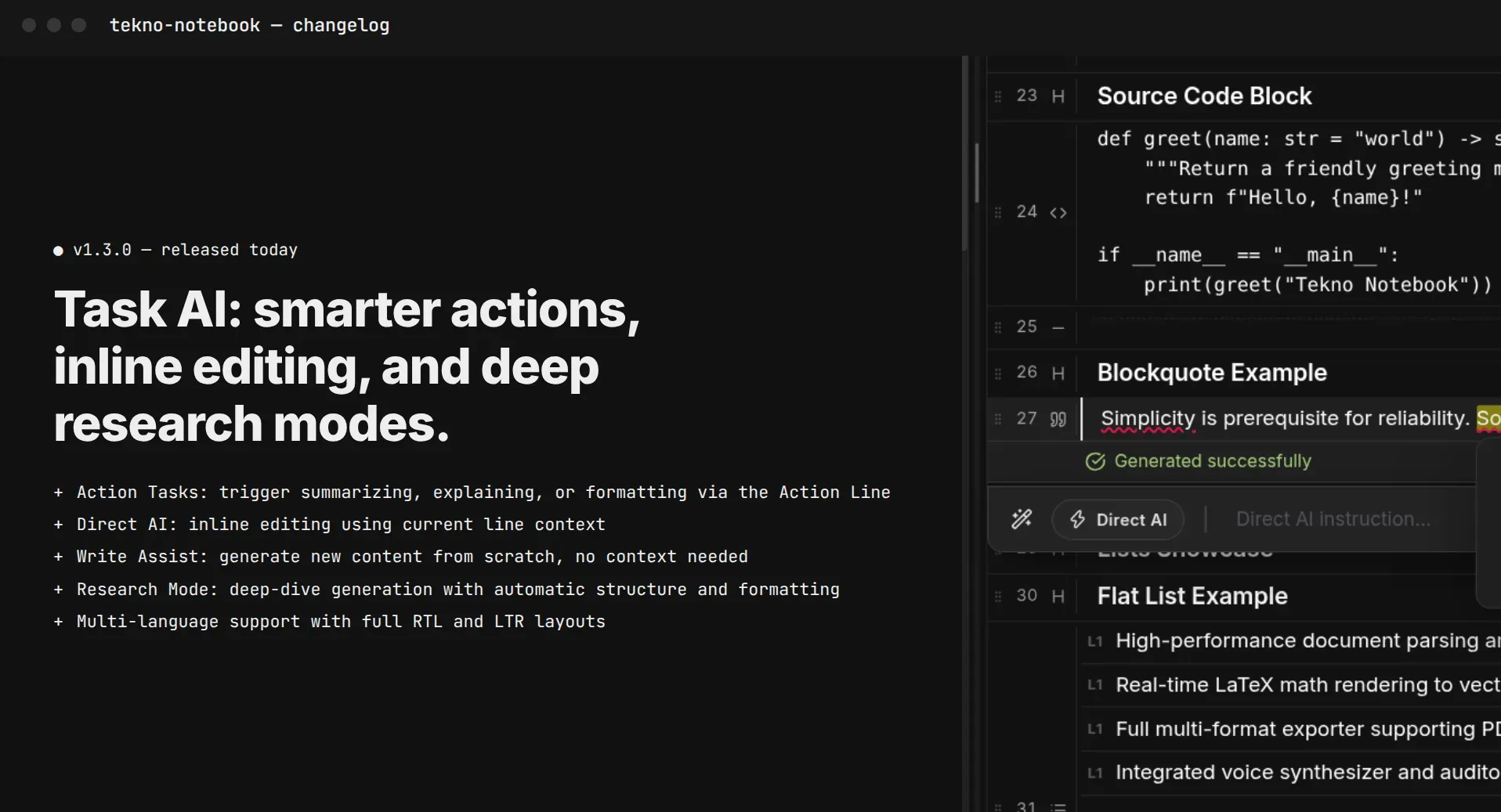
Tekno Notebook stores each note as a file on your own device, so you can keep dated outlines, source notes, and drafts together without an account or tracking. Name files with the date and the stage, for example “2026-11-22 outline”. Treat it as a clear record of your work, not as legal protection. Here is a template for a writing log:
Writing log: [assignment]
Outline saved: [date]
Sources read (with notes): [list]
First draft saved: [date]
Revisions made and why: [short notes]
AI help used (tool and purpose), if any: [details]
Final version saved: [date]
Ready to try it? Explore the Tekno Notebook project page (/en/project/TeknoNotebook). Keep reading: How to Study with AI Without Hurting Your Grades: Let It Test You, Not Answer for You (/en/blog/study-with-ai-without-hurting-your-grades) and Study with AI Without Outsourcing Your Thinking: 3 Rules That Actually Work (/en/blog/study-with-ai-without-outsourcing-your-thinking).

Tekno Notebook
Dated notes and drafts that you control
A free offline desktop notebook that saves every note as a file on your own device, with no account and no tracking. Keep outlines, source notes, and drafts together and organized.
- Notes saved as plain files on your device, with no account and no tracking
- Clean editor for outlines, source notes, and drafts
- Built-in AI assistant for quizzes and simpler explanations
- Reader mode with an interactive table of contents