Link Rot and Bit Rot: Why Digital Archives Quietly Vanish—and How to Preserve Yours
The internet forgets faster than we think, and unpowered flash drives slowly lose electric charge over the years. Learn how to protect your notes, research, and photos for decades.
The Myth That Digital Files Last Forever
A printed book survives 200 years on a shelf; a web link or forgotten USB stick can fail in five.
Digital files aren't carved in stone—they are fragile electrical and magnetic states that need occasional care.
Anyone collecting research, family photos, or study notes faces two silent threats: Link Rot, where websites vanish or move behind dead URLs, and Bit Rot, where unpowered flash drives and SSDs gradually leak electrical charge over years in a drawer.
Why Personal Digital Archives Quietly Disappear:
Web preservation studies repeatedly find that a large share of webpages cited just a decade ago are already gone from their original addresses.
4 Practical Steps for a 20-Year Personal Archive
Simple, low-cost habits keep your irreplaceable files readable for decades.
Apply these four rules to everything you never want to lose:
- Save the content, not just the link: export critical references locally to Markdown or PDF.
- Stick to timeless open formats (TXT, Markdown, PDF, PNG) readable on any future OS.
- Follow the 3-2-1 backup rule: three copies, two media types, one stored offsite.
- Power up and verify archival drives every 6 to 12 months to catch silent wear early.

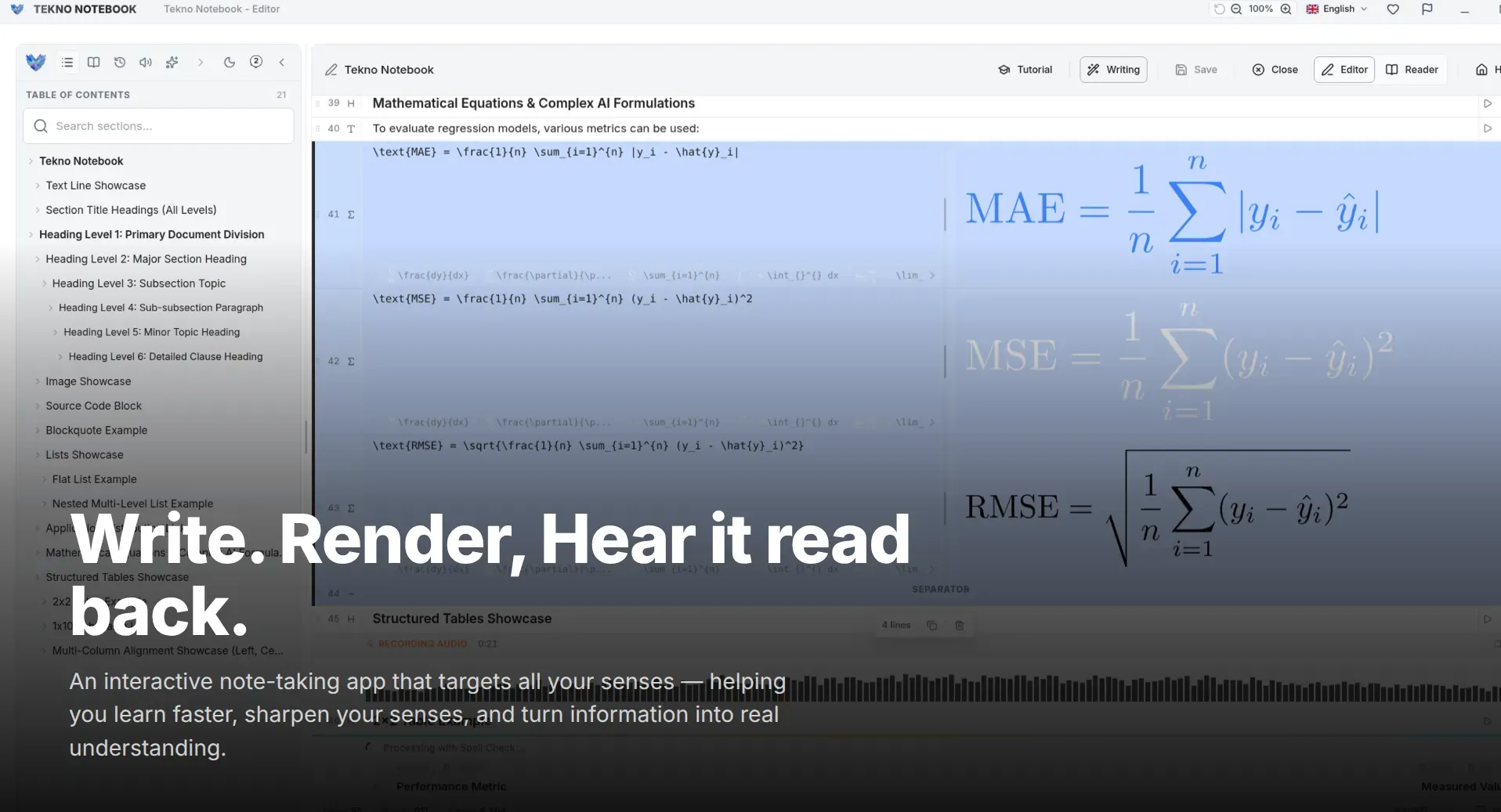
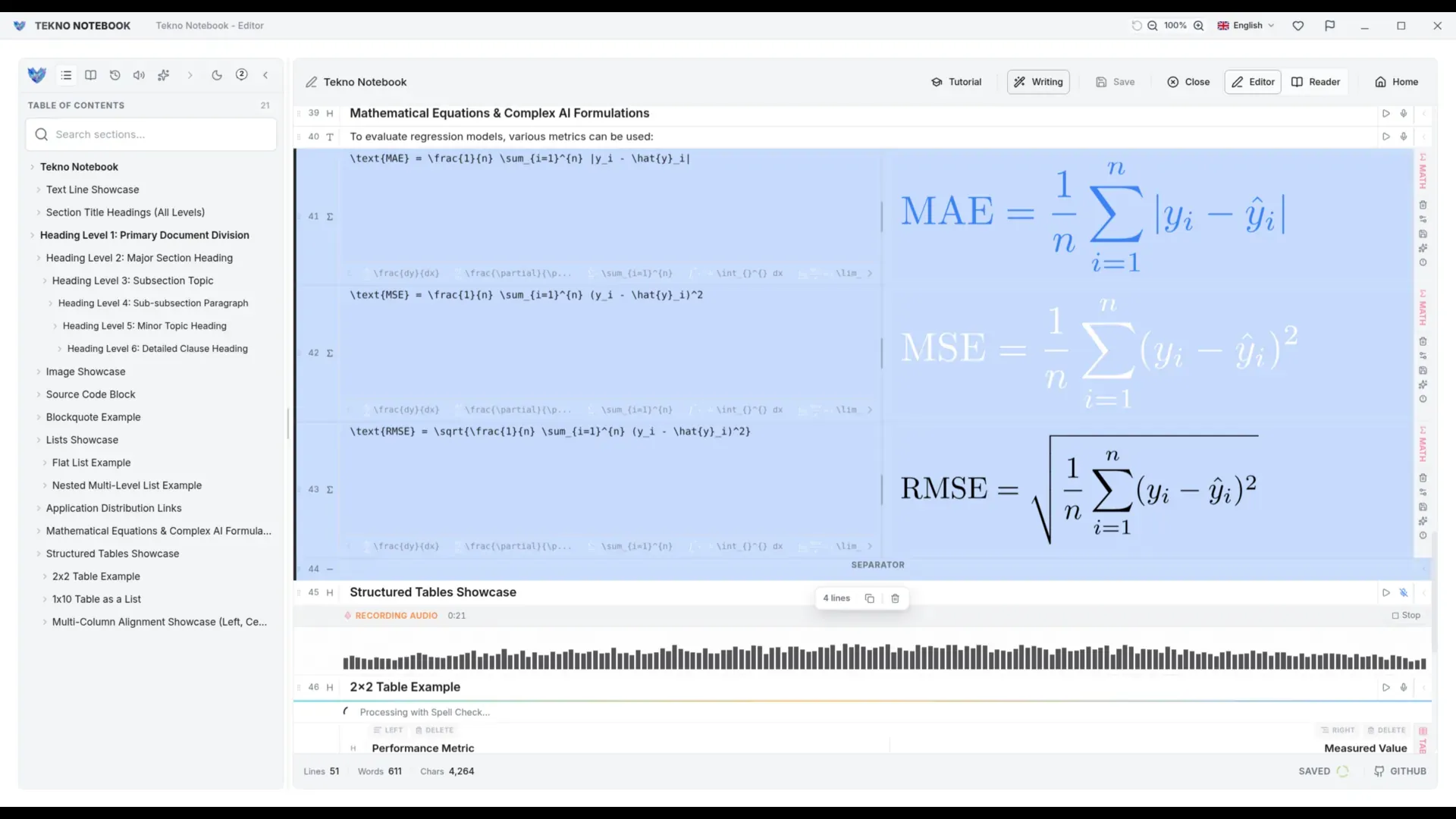
Tekno Notebook
Write Study and Technical Notes Without Clutter in Tekno Notebook
A local, offline-first desktop note-taking app with code blocks, live LaTeX equations, and built-in audio reading and dictation.
- 100% offline with full local ownership and zero tracking
- Native support for code snippets and live LaTeX math
- Built-in local Text-to-Speech (TTS) and Speech-to-Text (STT)
- Clean export to PDF, Markdown, and LaTeX