Anchoring Bias: How the First Number You See Quietly Hijacks Your Budget
A crossed-out '$200' tag next to '$99' makes an item feel like a steal—even if it's only worth $40. Learn how anchoring bias skews shopping and negotiations, and how to reset it.
Why Your Brain Clings to the First Number It Sees
Whatever number appears first becomes an invisible reference point for every judgment that follows.
Walk past a jacket marked 'Was $200, Now $99' and your brain rarely pauses to ask whether the jacket is truly worth $99—it immediately celebrates 'saving $101.' Behavioral scientists call this shortcut Anchoring Bias.
3 Everyday Places Anchoring Steers Your Wallet:
- Crossed-Out Sale Tags: An inflated original price makes an ordinary markup look like a rare bargain.
- Restaurant Menus: One ultra-expensive item at the top makes pricey mid-tier dishes look 'reasonable.'
- Rent & Freelance Negotiations: The very first figure spoken pulls the final agreement toward it.
Buying a $99 item marked down from $200 didn't save you $101—it cost you $99.

4 Ways to Break the Anchor and Judge True Value
Set your own reference point before someone else sets it for you.
Run through these four habits before buying or negotiating:
Once you spot anchoring bias, flashy discount tags lose their magic—and your budget stays firmly in your hands.

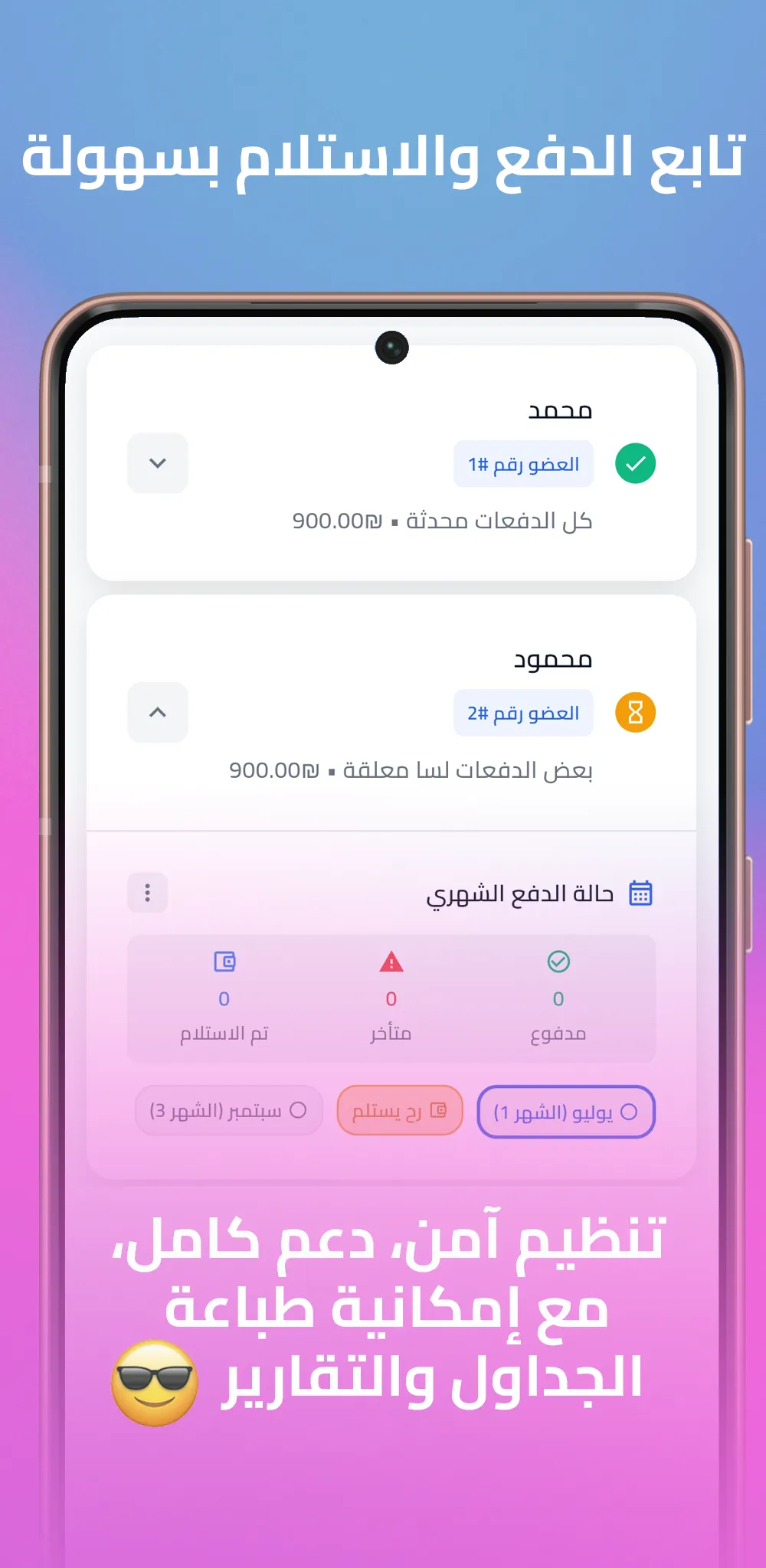
Jameia - Rotating Savings
Track Monthly Contributions and Payout Turns Effortlessly With Jameia
An offline-first mobile app for organizing rotating savings groups with family, friends, or coworkers—complete with automated schedules and clear member reports.
- Clear monthly payment tracking for every group member
- Automated turn scheduling and totals with zero math errors
- Exportable reports that keep trust and transparency high
- Private, offline-first mobile experience