From Chat to Action: What Are AI Agents and How Will They Change Everyday Work?
Traditional chatbots answer questions; AI agents plan multi-step tasks and use tools on your behalf. Understand how they work in plain language—and where human oversight remains essential.
How an AI Agent Differs From a Normal Chatbot
A chatbot replies once; an agent breaks a goal into steps, checks results, and uses tools.
When you ask a classic chatbot a question, it writes a single answer and stops. An AI agent goes further: given a clear goal, it breaks the job into smaller steps, runs tools such as search, calendars, or file organizers, checks whether each step succeeded, and adjusts until the task is complete.
That shift—from passive text generation to active assistance—is why AI agents are one of the biggest technology trends today. They can draft schedules, sort routine research, or prepare study outlines automatically.
Three Things to Know Before Using AI Agents in Daily Life
1. Clear Instructions Matter Even More Than With Chat
Because an agent takes multiple actions in sequence, a vague goal can multiply small misunderstandings quickly. Defining boundaries upfront prevents messy results.
2. Keep "Human-in-the-Loop" Approval for Important Actions
Letting an agent draft an email or organize references is helpful; letting it send messages, delete files, or spend money without your final confirmation is risky.
3. Keep Your Personal Knowledge Base Clean and Under Your Control
AI tools work best when your own notes and source files are cleanly structured—and keeping your master notes offline ensures you never lose control of your work.


Five Smart Rules for Working Safely With AI Assistants
Enjoy automation without giving up judgment or privacy.
- Give agents limited permissions—only the folders or tools required for that task.
- Require manual confirmation before sending external messages or modifying important files.
- Review intermediate outputs instead of blindly trusting the final summary.
- Never hand over sensitive passwords, banking details, or private family records.
- Store your verified conclusions and personal study notes in an offline workspace you own.
Automation should handle repetitive friction—never replace your final review or critical thinking.
Keeping Verified Knowledge Offline and Readable
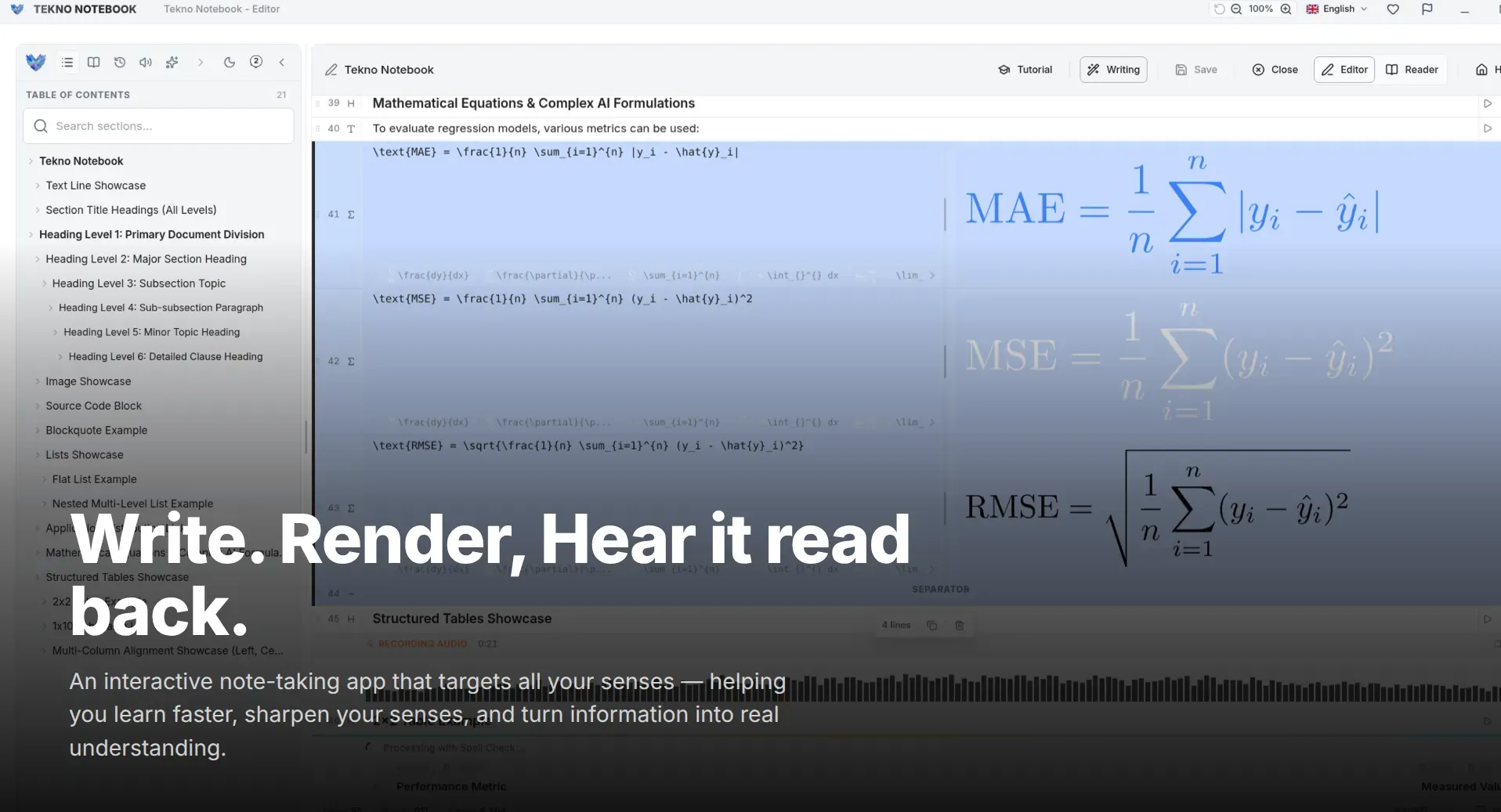
As AI tools generate more drafts and summaries every day, having one calm offline place for your own verified thinking matters more than ever. Tekno Notebook keeps your finished notes, formulas, and study guides strictly local, cleanly organized, and ready to review by eye or audio.
Try delegating one small, low-risk organizational task to an AI assistant this week—and always keep yourself as the final editor.

Tekno Notebook
Listen to Your Notes Like a Media Player and Retain Twice as Much
Transform static written notes into an interactive audio track. Tekno Notebook combines built-in Text-to-Speech, Speech-to-Text, and synchronized line highlighting in a distraction-free desktop app.
- Built-in media player with play, pause, seek, and playback speed controls
- Auto-Tracking highlights the exact sentence or line as it is read aloud
- Multilingual Text-to-Speech support including Arabic, English, Spanish, Portuguese, and Chinese
- Integrated Speech-to-Text (STT) for dictating quick insights directly into your notes