Studying at Night vs. Dawn: Which Time Actually Works Better?
Is studying at dawn really better than working late at night? Compare the real pros and cons of both schedules and match your toughest subjects to your peak focus.
Night Owl or Early Bird: Where Does Real Focus Live?
A practical comparison between late-night quiet and early-morning clarity.
Every exam season sparks the same debate: some students swear that one hour at dawn beats three hours later in the day, while others only hit their stride after midnight when the house goes silent. Both windows offer genuine advantages—what matters most is sleep consistency and the type of work you do.
Instead of copying someone else's routine, understand how your brain performs in each window and assign heavy thinking and light review accordingly.
Night Studying vs. Dawn Studying Side by Side
1. Studying at Dawn: Mental Clarity and Stronger Recall
After a full night of rest, your brain has already consolidated previous learning and is primed for analytical thinking and memorization. Early dawn hours bring minimal noise, fewer messages, and natural alignment with daytime schedules—making them ideal for dense reading, problem sets, and memorizing key formulas.
2. Studying at Night: Deep Quiet and Creative Synthesis
Some learners naturally peak in the evening once daily obligations are done. Night sessions work well for drafting summaries, organizing lecture notes, and connecting broad ideas. The main trap is sliding into sleep deprivation, which quietly destroys the memory gains you worked hard to build.
3. How to Decide Based on Your Real Schedule
Ask two simple questions: am I getting at least seven hours of sleep, and when are my actual exams? Because most tests take place in the morning, training yourself to handle focused dawn blocks aligns your peak alertness directly with exam time.
Five Rules to Make Either Schedule Work
Whether you study at dawn or night, protect your focus with these habits.
- Set up your desk and open your study notes beforehand so you never waste the first 15 minutes preparing.
- Put demanding problem-solving and memorization inside your highest-energy hours.
- Save note cleanup and light review for lower-energy blocks.
- Set a strict sleep cutoff if you study at night and never break it.
- Work inside an offline desktop app like Tekno Notebook so browser tabs never pull you off track.
The best time to study is the window that gives you sharp focus while protecting consistent sleep.
Combine Evening Review With Dawn Recall
You do not have to treat night and dawn as rivals. A highly effective approach pairs both: spend 15 minutes reviewing your summary before sleep, then test yourself briefly on those same points at dawn.
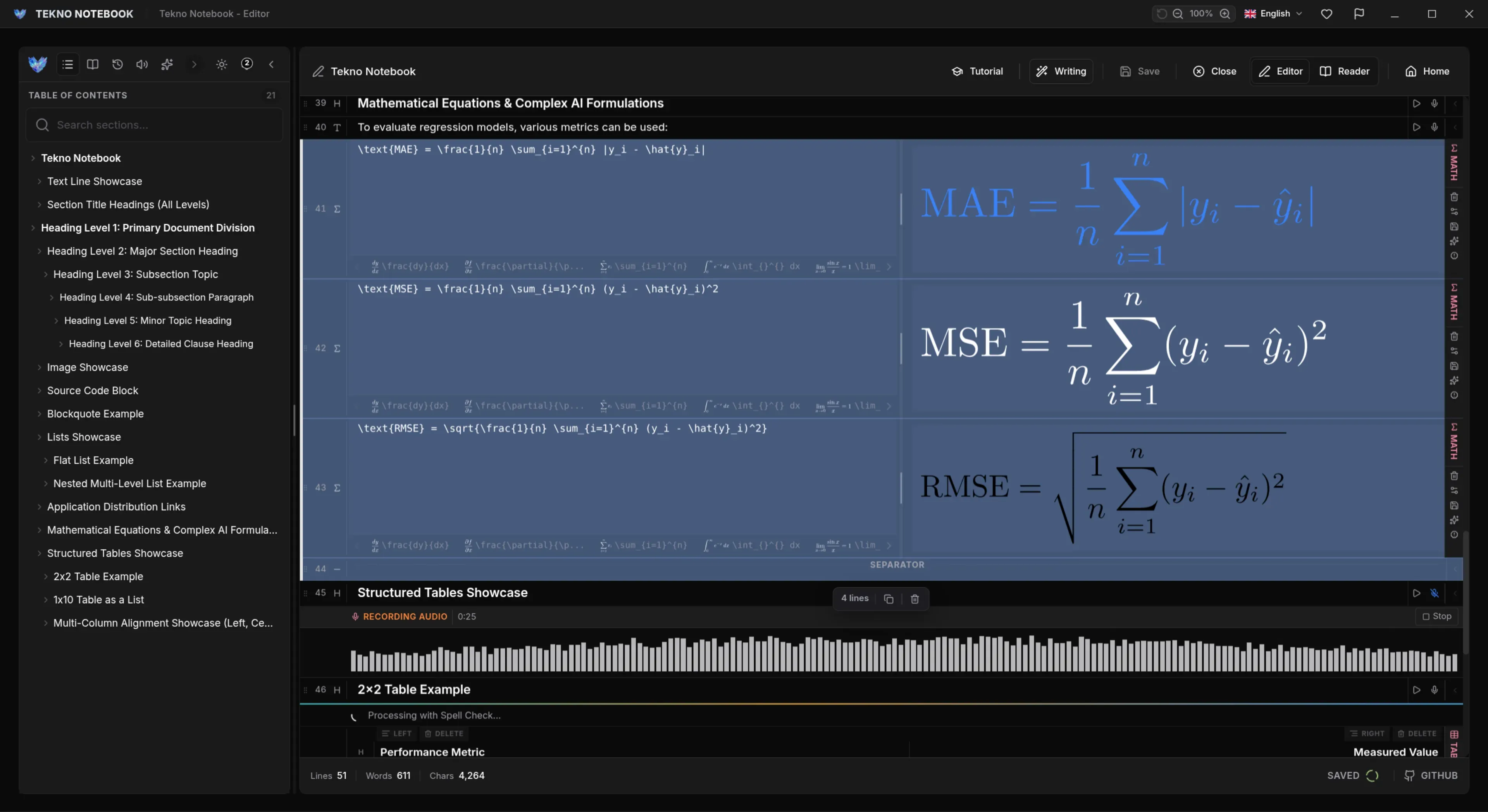
In Tekno Notebook, you can write and listen to your summary in the evening, then open Reader Mode at dawn to scan headings and quiz yourself in minutes without distractions.

Tekno Notebook
Start Your Dawn or Night Session Instantly Without Distractions
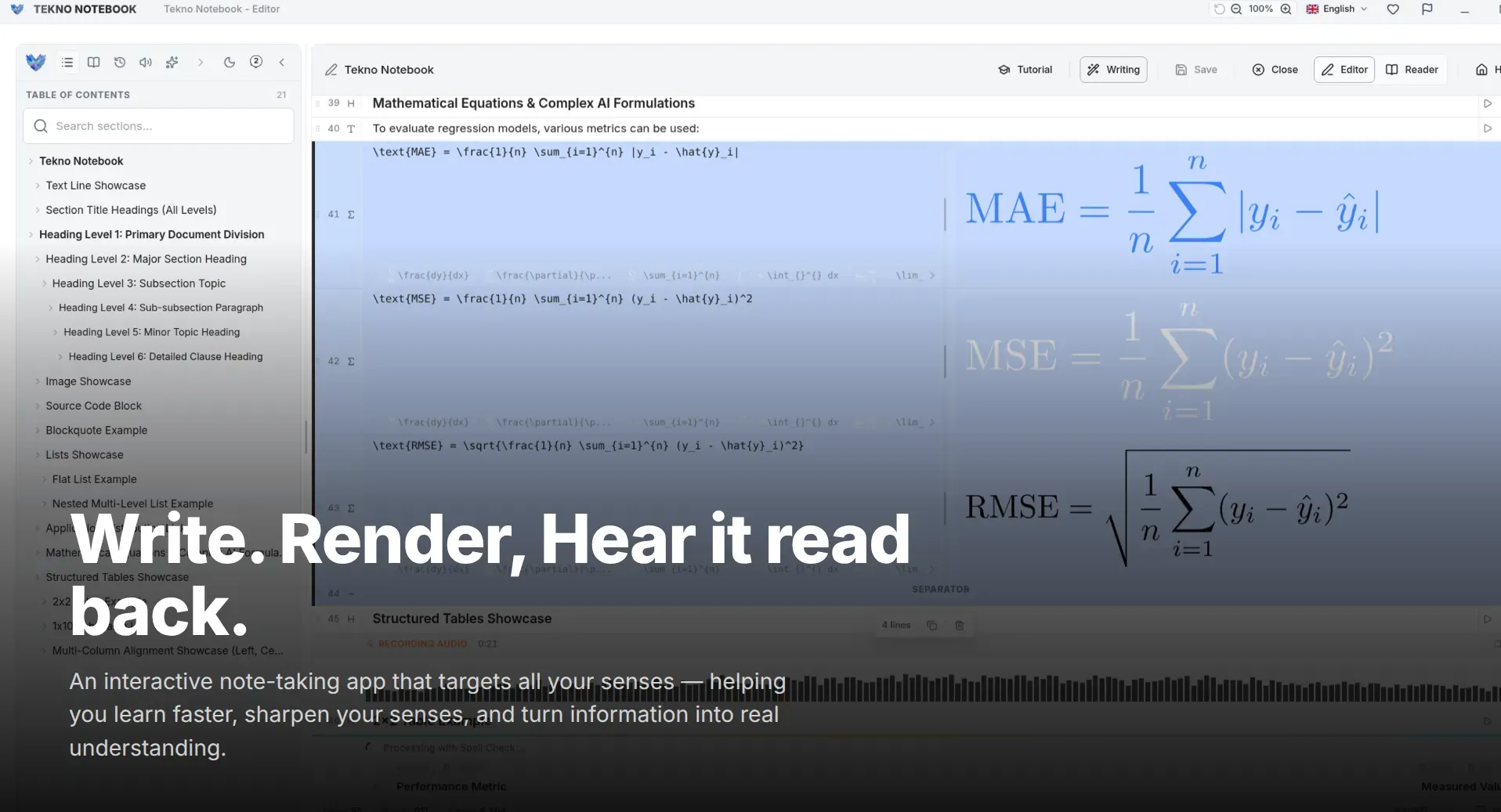
A free offline desktop notebook that opens immediately and provides a calm Reader Mode plus audio review so you make the most of your quietest hours.
- Instant startup so you begin studying in seconds
- Works offline to keep social media out of reach
- Calm Reader Mode suited for low-light dawn or night desks
- Built-in audio playback for light review before sleep