How to Speed Up Python Code: Nuitka vs. Cython Explained
Python is fast to write but can slow down on heavy loops or desktop distribution. Learn how to optimize Python practically and when to compile with Nuitka or Cython.
Why Python Slows Down—and How to Fix It Smartly
From profiling bottlenecks to compiling toward C with Nuitka and Cython.
Python shines when you want to build ideas quickly, but dynamic typing and interpretation overhead can make tight loops and heavy number crunching noticeably slower than compiled languages like C. Fortunately, you rarely need to abandon Python to get serious speed.
Always profile first so you know where time is actually spent, and fix algorithmic bottlenecks with better data structures like sets and dictionaries. Once your Python code is clean, compilers like Nuitka and Cython unlock major speedups and cleaner distribution.
How Nuitka and Cython Accelerate Python
1. Nuitka: Compile Your Whole Python App to C
Nuitka translates standard Python code into C and compiles it into a standalone native binary—no separate Python installation required on the user's machine. Its biggest advantage is compatibility: you keep writing normal Python while gaining faster startup, solid runtime improvements, and better source protection for desktop applications.
2. Cython: Near-C Speed for Hot Numerical Loops
Cython excels when one specific function or tight loop accounts for 90% of execution time. By adding static type declarations for integers, floats, and memoryviews, Cython compiles that critical module into a blazing-fast C extension while leaving the rest of your app in clean Python.
3. Which One Should You Pick?
Pick Nuitka when you want to optimize and package an entire Python application into a standalone executable with minimal code changes. Pick Cython when you need maximum C-level performance inside a specific math-heavy module or reusable library.
Five Practical Steps to Faster Python
A quick checklist so you optimize what actually matters.
- Profile before optimizing so you target the real bottleneck instead of guessing.
- Improve algorithms and data structures before introducing a compiler.
- Use Nuitka to compile full apps into fast, standalone native binaries.
- Use Cython with static types on compute-heavy inner loops.
- Log build flags and before-and-after timings in a local notebook for repeatable releases.
Never guess where your code is slow—profile first, then compile the part that truly counts.
Compiling a Standalone Binary With Nuitka
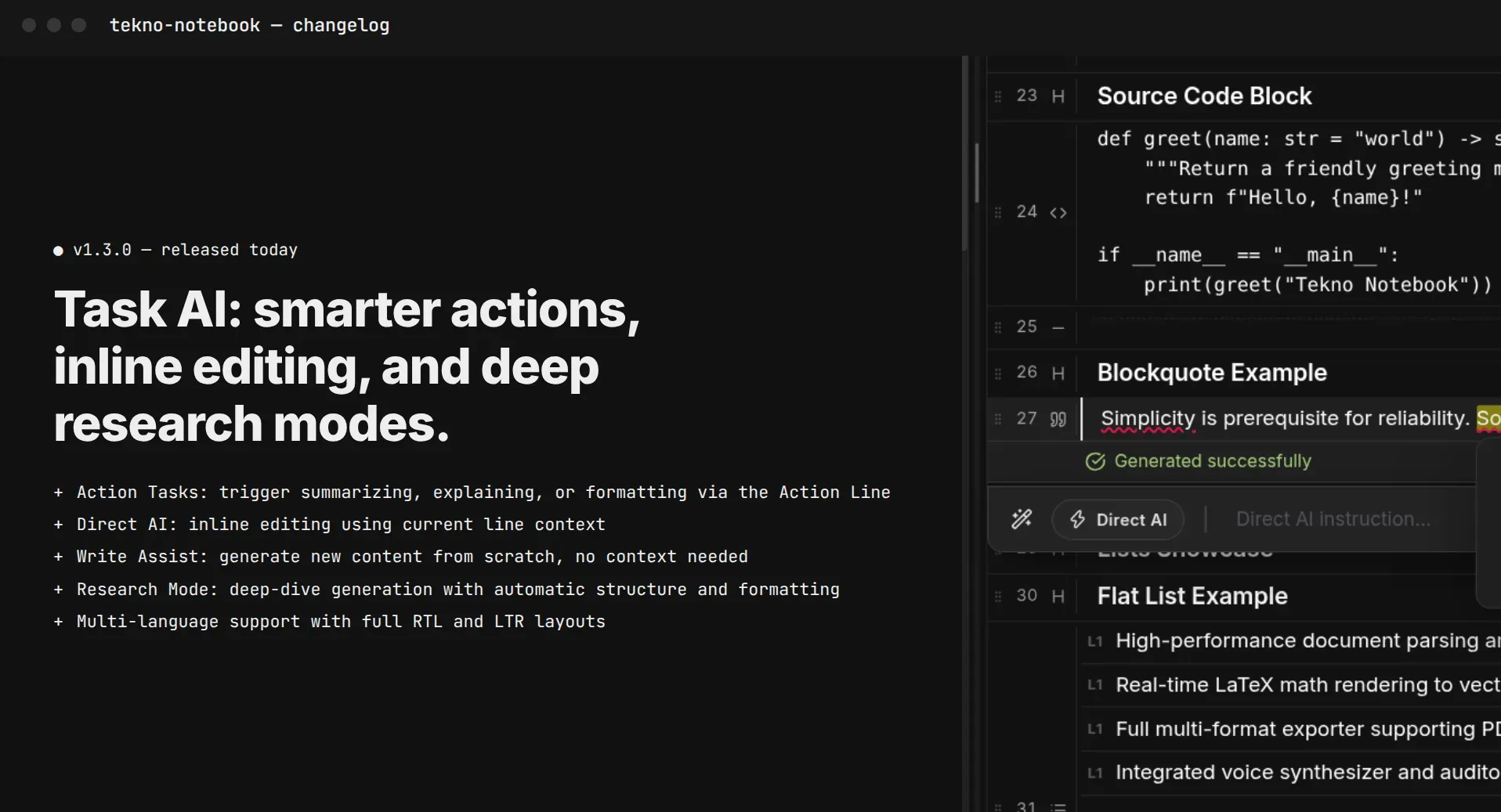
Getting started with Nuitka takes a single terminal command to produce an optimized standalone executable. Because release flags grow over time, keeping working commands in an offline app like Tekno Notebook saves you from hunting through shell history before every build:
python -m nuitka --standalone --onefile --lto=yes main.py
Tekno Notebook
Store Build Flags and Benchmark Notes in One Local Workspace
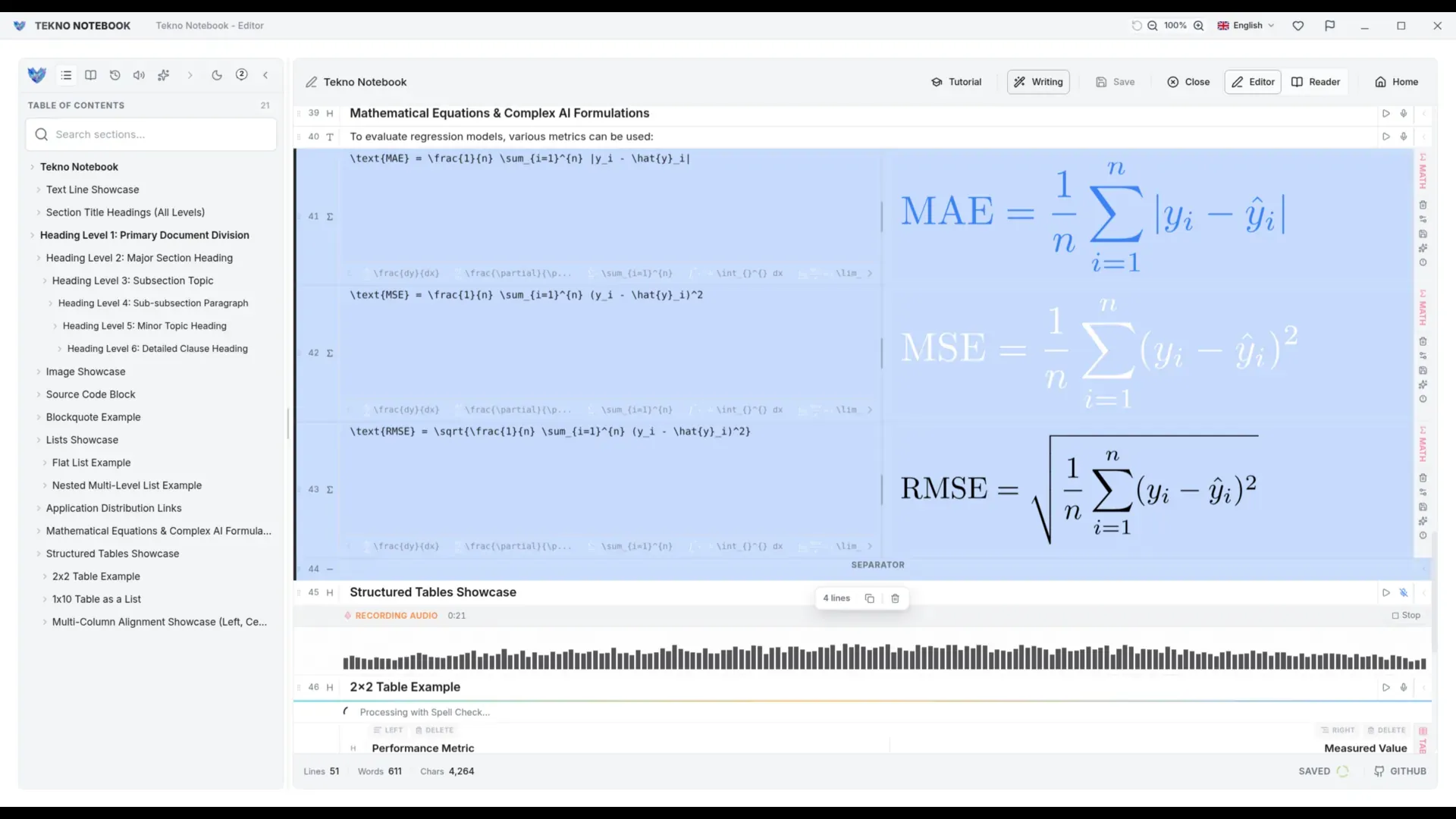
A free offline desktop notebook to organize Nuitka and Cython commands, benchmark logs, and code snippets with instant PDF and Markdown export.
- Free, fast offline desktop app with zero tracking
- Keep complex compiler flags ready for one-click reuse
- Reader Mode with interactive contents for personal runbooks
- Clean PDF and Markdown export for technical reports