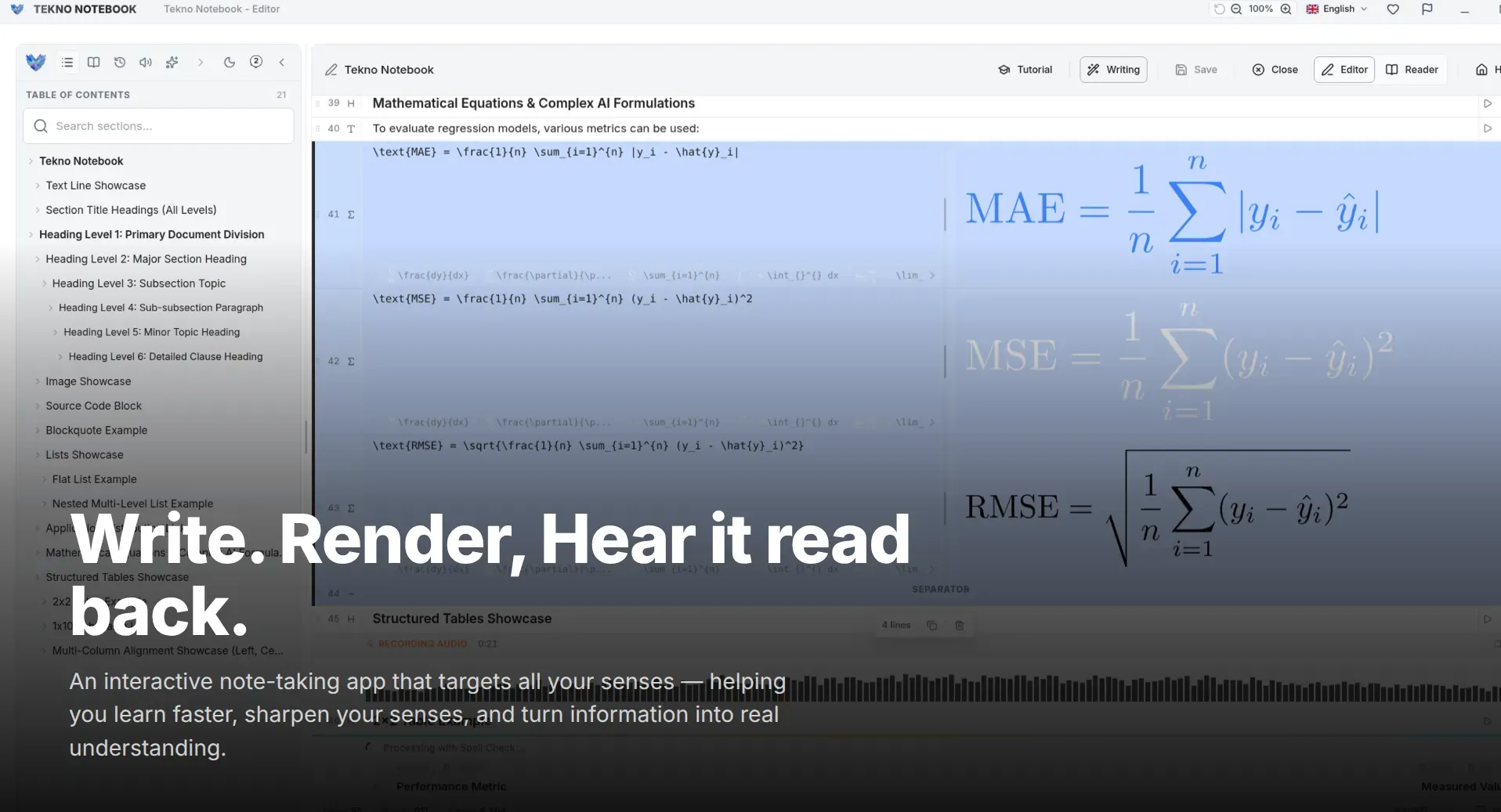
Interleaving Practice: Why Mixing Subjects Boosts Exam Recall
Spending four straight hours on a single topic feels productive, yet cognitive research shows mixing related subjects builds stronger exam performance. Learn how interleaving works.
Why Marathon Single-Topic Study Creates an Illusion of Mastery
Repetition feels smooth in the moment, but real exams test your ability to choose the right approach.
When you solve thirty identical problems from one chapter in a row, your brain slips into autopilot. You feel confident because you already know which formula applies before you even finish reading the question. On exam day, however, questions arrive scrambled with no chapter headings to guide you.
Interleaving practice flips that habit by deliberately rotating between two or three related topics within one study block. It feels slightly harder at first, yet that extra mental friction is precisely what trains long-term recall and problem discrimination.
Three Reasons Interleaving Outperforms Single-Topic Cramming
1. It Sharpens Concept Discrimination
Switching between similar concepts forces your mind to spot subtle differences instead of blindly repeating one template.
2. Every Switch Triggers Active Retrieval
Leaving a topic and returning to it thirty minutes later makes your brain reload the underlying rules from memory, strengthening retention.
3. It Mirrors Real Exam Conditions
Exams rarely group questions neatly by lecture week. Interleaving prepares you to pivot cleanly from one method to another under time pressure.

Five Steps to Build an Interleaved Study Session
Structured variety sharpens focus without turning into chaotic multitasking.
- Pair two or three related topics per session rather than jumping between completely unrelated fields.
- Spend 25 to 35 focused minutes on one topic before switching cleanly to the next.
- Jot down one quick diagnostic question at the end of each block to test yourself on the next cycle.
- Mix problem types in your final review set so you practice identifying which strategy fits each prompt.
- Close the session with a ten-minute summary comparing the key differences between the topics.
Productive struggle during revision is the clearest sign that your brain is wiring durable memories.
Fast Note Switching Without Digital Clutter
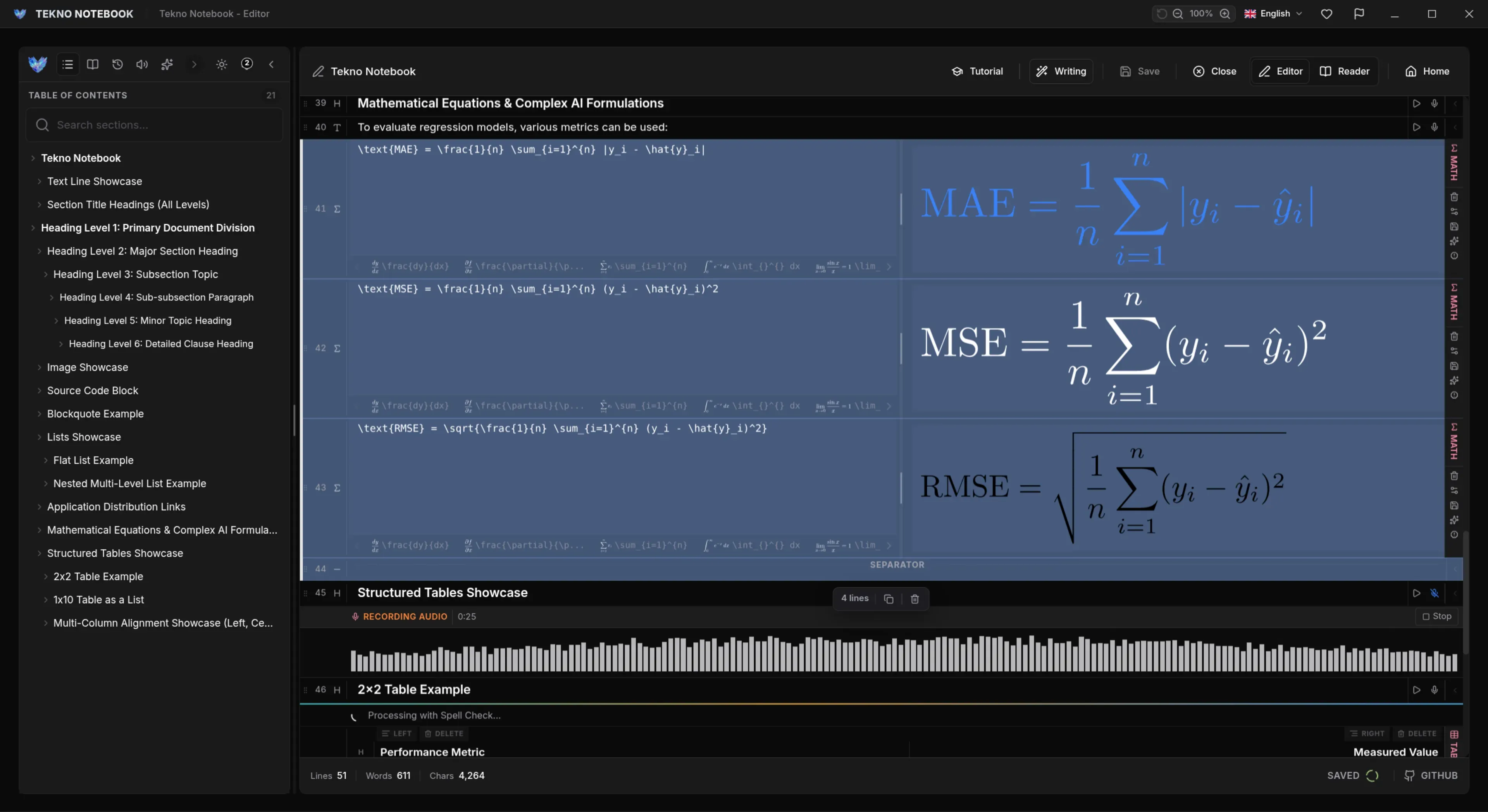
Interleaving works best when moving between subjects takes one click instead of ten distracting browser tabs. Tekno Notebook keeps your structured notes, math equations, and offline audio playback together in one calm desktop workspace so you stay in flow while rotating topics.
Try splitting your next two-hour study block across two related chapters and watch how much faster you recognize exam patterns.

Tekno Notebook
Listen to Your Notes Like a Media Player and Retain Twice as Much
Transform static written notes into an interactive audio track. Tekno Notebook combines built-in Text-to-Speech, Speech-to-Text, and synchronized line highlighting in a distraction-free desktop app.
- Built-in media player with play, pause, seek, and playback speed controls
- Auto-Tracking highlights the exact sentence or line as it is read aloud
- Multilingual Text-to-Speech support including Arabic, English, Spanish, Portuguese, and Chinese
- Integrated Speech-to-Text (STT) for dictating quick insights directly into your notes