Health and Learning Quality: How to Study Effectively Without Burning Out
Pulling all-nighters and sitting motionless for hours weakens memory instead of raising grades. Build practical habits that protect your health and sharpen how well you learn.
Why Neglecting Health Sabotages Your Study Sessions
How sleep, movement, and eye care directly shape comprehension and recall.
Many students equate hard work with sitting at a desk for ten straight hours and sacrificing sleep before an exam. The brain does not reward sheer exhaustion: when fatigue builds up, your ability to connect new concepts drops sharply, leaving you re-reading the same page three times without retaining it.
Combining physical well-being with strong academic performance is not a luxury—it is the shortest path to learning more in less time. Three simple pillars deliver an immediate upgrade to both energy and retention.
Three Pillars Linking Health and Better Learning
1. Sleep Is When Memory Locks In
During deep sleep, the brain consolidates what you studied into long-term memory. Cutting sleep to cram at midnight means spending energy reading while denying your mind the process that actually stores the material. Consistent seven-to-eight-hour nights outperform last-minute all-nighters every time.
2. Protect Your Eyes and Posture With Regular Breaks
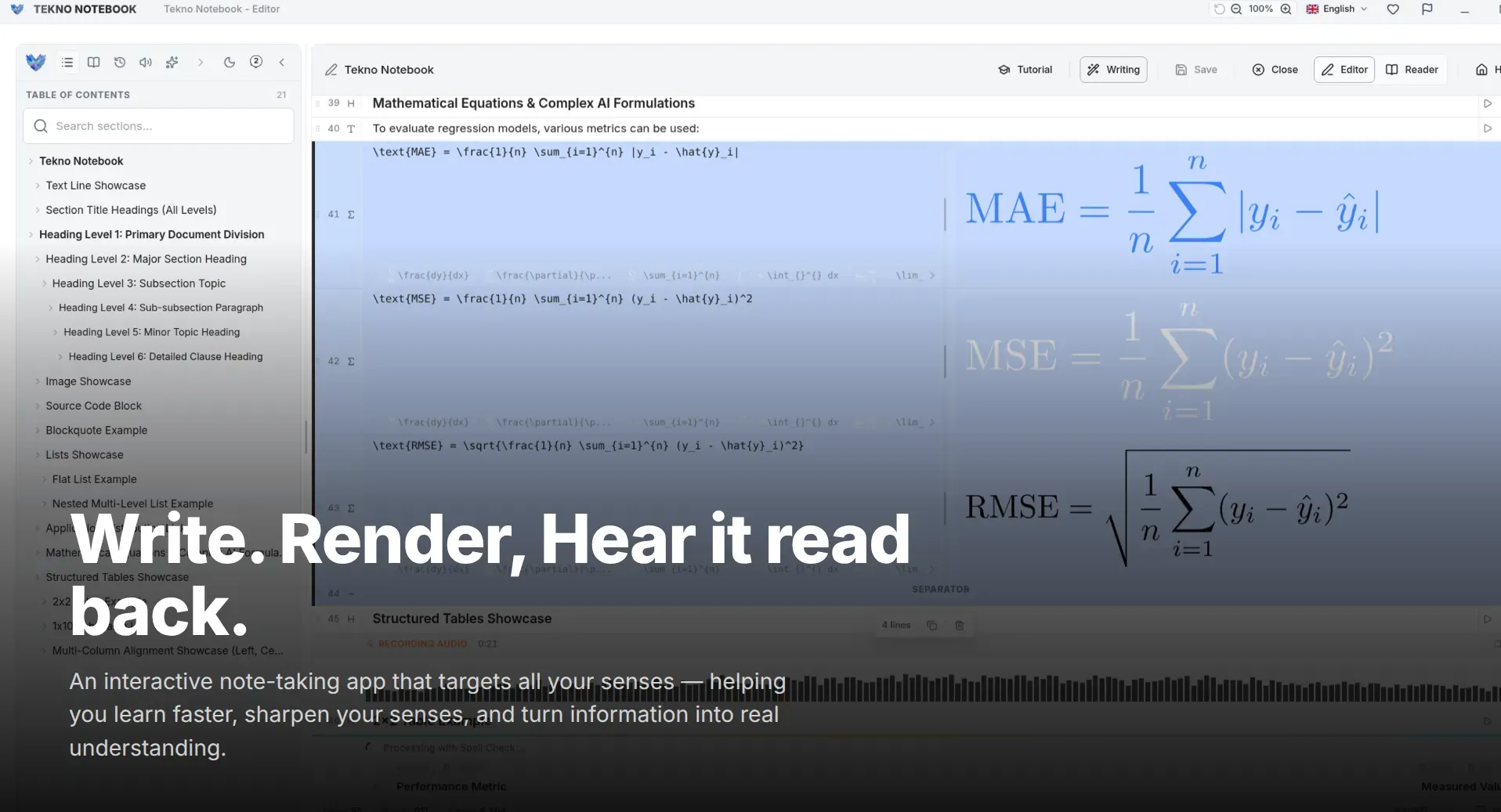
Staring at a bright screen for hours causes dry eyes, headaches, and fading focus. Follow the 20-20-20 habit: every 20 minutes, look at something 20 feet away for 20 seconds, and stand up each hour to stretch and hydrate. When your eyes feel tired, switch from reading to listening—Tekno Notebook lets you play back your study summaries offline while stepping away from the monitor.
3. Steady Fuel and an Ergonomic Desk
Heavy meals and excessive caffeine trigger sharp energy crashes and restlessness an hour later. Stick to balanced snacks, drink water regularly, and keep your screen near eye level so neck and back tension never cut a focused session short.
A Daily Routine That Protects Health and Focus
Five simple habits to anchor every study block.
- Guard your sleep schedule first and avoid high-stress cramming in the final hour before bed.
- Drink a glass of water before every study block—even mild dehydration dulls concentration.
- Take a real break every 45 to 50 minutes away from both your laptop and your phone.
- Turn evening revision into audio playback so your eyes can rest.
- Spend 15 minutes walking or stretching daily to boost circulation and mental clarity.
One focused hour with a rested mind beats four exhausted hours at midnight.
Alternate Reading and Listening to Sustain Energy
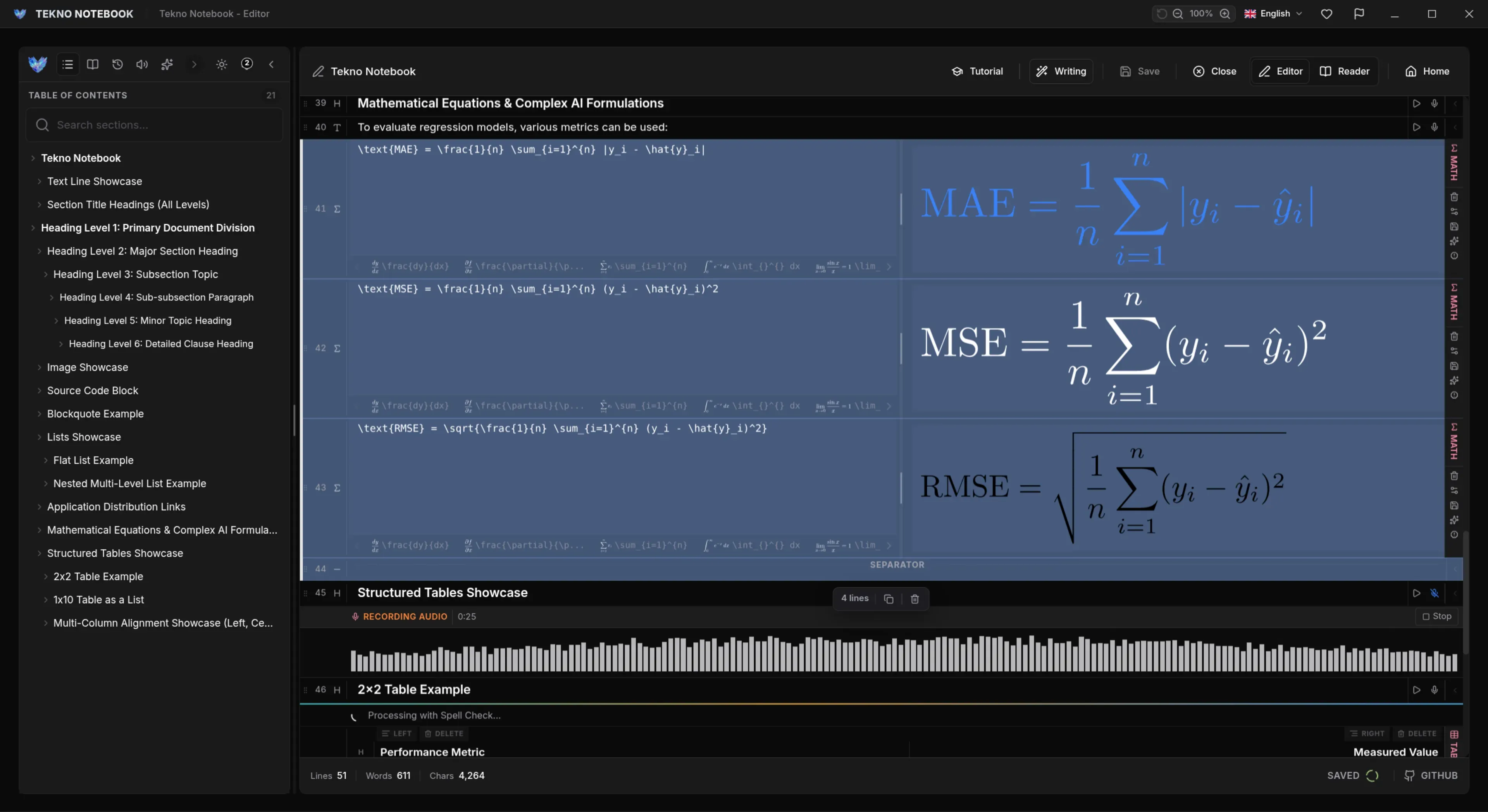
One of the smartest ways to protect your eyes without pausing your studies is to switch senses. Write clean summaries when your energy peaks, then listen to them later while stretching or walking using Tekno Notebook's offline audio reader.
When your hands get tired from typing, built-in voice dictation lets you talk through concepts in your own words—combining deeper understanding with less physical strain.

Tekno Notebook
Review Your Notes by Audio and Give Your Eyes a Break
A free offline desktop notebook featuring an eye-friendly Reader Mode and built-in offline audio playback so you can review lessons while resting or walking.
- Offline audio reader to review notes without screen fatigue
- Clean Reader Mode that minimizes visual clutter
- Fast voice dictation when your hands need a break from typing
- Free offline desktop app with zero pop-ups or distractions