The Doorway Effect: Why Switching Browser Tabs Erases Your Train of Thought
Ever walked into a room and forgotten why you went there? The exact same cognitive boundary fires every time you jump between tabs and apps. Here is how to protect your study memory.
Why Walking Through a Door Wipes Your Mind
How your brain slices experience into episodes—and why screens create dozens of doorways every hour.
Almost everyone has walked into a kitchen or hallway, paused mid-step, and wondered: why did I come in here? Cognitive psychologists call this the Doorway Effect. It is not a sign of a failing memory—it is a side effect of how the brain organizes continuous life into neat mental chapters.
Crossing a physical threshold signals an event boundary. Your brain files away the old room's details and clears working memory for the new scene. The surprising part is that digital transitions trigger the exact same reset: opening a new browser tab, jumping to a chat app, or switching desktops acts like walking through a doorway and quietly dumps part of your current thought.
How Digital Doorways Drain Study Sessions
1. Every Window Switch Closes the Previous Mental File
When you are halfway through grasping a tough concept and jump to another tab to look up a term or check a message, your brain treats that jump as a new episode. Returning to your notes forces you to rebuild the mental model from scratch.
2. Working Memory Only Holds a Few Pieces at Once
Working memory is narrow by design. Passing through repeated digital doorways between PDFs, browsers, and scattered apps knocks loose the fragile connections you were just forming.
3. Fix the Environment, Not Just Your Willpower
Instead of trying to brute-force your memory across ten open windows, shrink the number of doorways you cross. Write a one-line anchor of what you are doing before switching away so your brain never has to guess where you left off.
Five Ways to Close Digital Doorways While Studying
Practical habits that keep your mental thread intact.
- Write the single goal of your session at the top of your note so an interruption cannot erase it.
- Limit your screen to two windows at most: your source material and your notebook.
- Jot down your exact question before opening a search tab so you do not forget why you clicked.
- Keep writing, reading, and audio review inside one tool instead of hopping across five apps.
- Work offline during deep study blocks to eliminate the loudest digital doorways altogether.
You are not forgetful—you are just walking through thirty digital doorways every hour.
Build One Quiet Room for Your Study Sessions
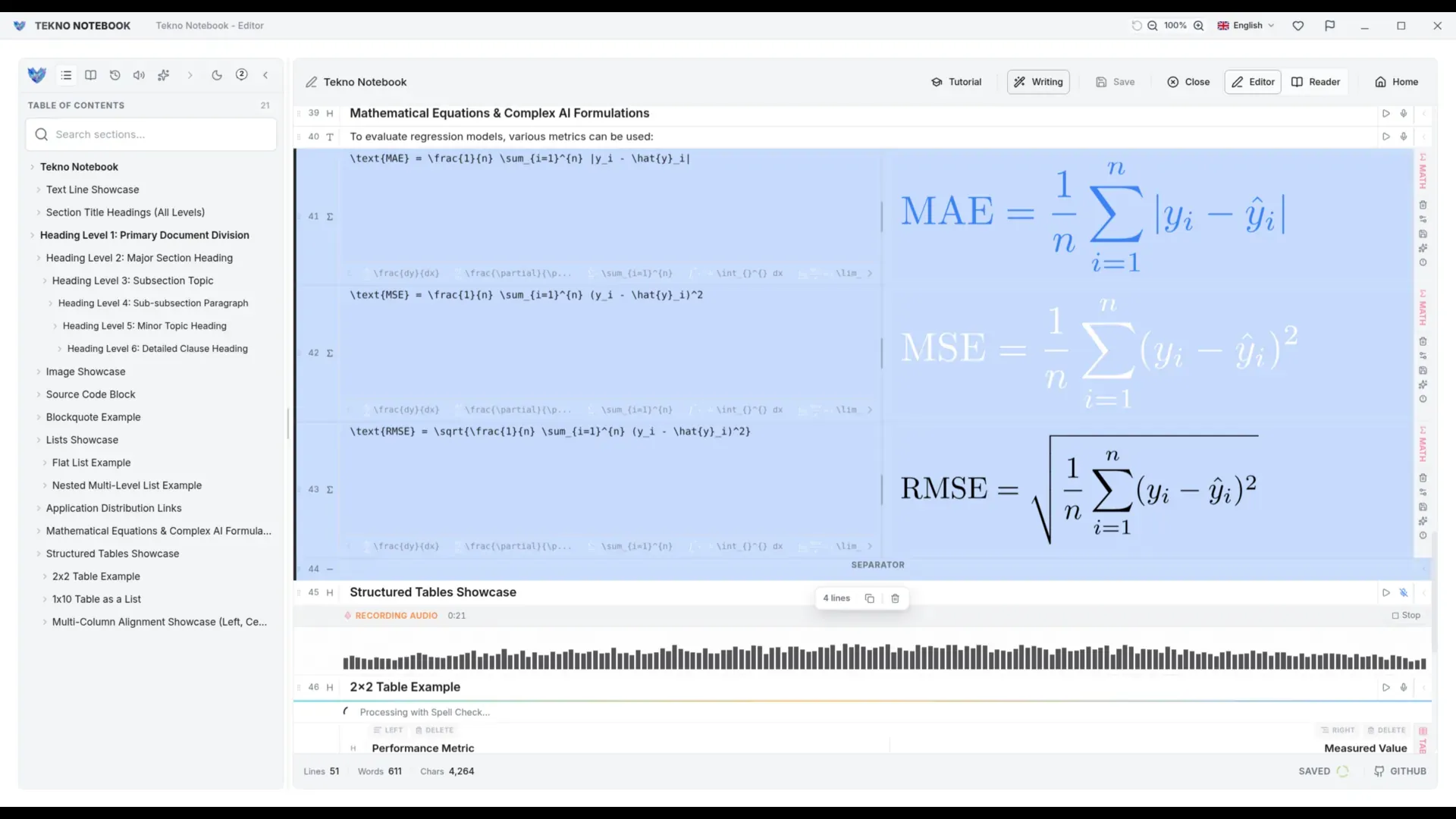
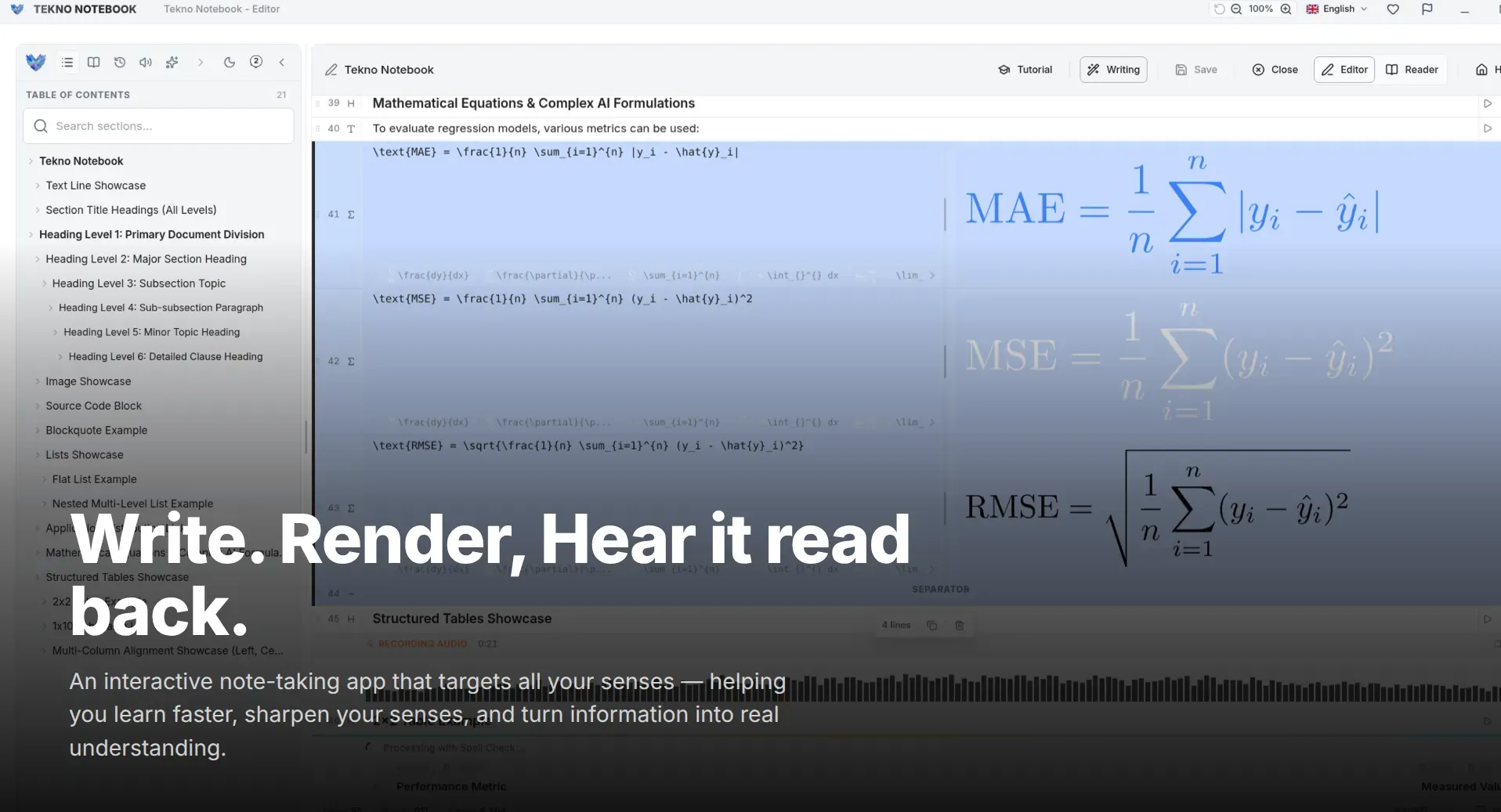
Working inside an offline desktop app like Tekno Notebook removes most of the digital thresholds that break concentration. It opens instantly with no browser chrome or notifications, letting you draft notes, switch to Reader Mode, and review by audio in one steady space.
With smart line detection and an automatic interactive table of contents, you can navigate a long topic effortlessly without leaving your window or resetting your working memory.
In your next study block, close the extra tabs and stay inside one calm workspace—you will feel immediately how much sharper and more continuous your thinking remains.

Tekno Notebook
Write, Read, and Review in One Offline Window
A free offline desktop notebook that combines fast writing, Reader Mode, and audio review in one place so fewer digital doorways break your focus.
- Offline desktop app with zero browser tabs or pop-up alerts
- Interactive table of contents replaces juggling dozens of windows
- Smart line detection captures fleeting thoughts before they vanish
- Audio playback and voice dictation built into the same workspace