Digital Amnesia: Why Instant Search Makes Us Forget What We Just Read
When every answer is two seconds away, our brains stop storing facts and only remember where to look them up. Learn how digital amnesia works and how to build lasting personal knowledge.
Remembering "Where" Instead of "What"
When your brain expects a search bar to be there later, it skips deep encoding.
Have you ever looked up the same command, definition, or formula five times in one month? Cognitive researchers call this digital amnesia: when people know information is stored online and easy to search again, the brain naturally invests less effort in remembering the fact itself and only remembers where to find it.
Instant search is wonderful for obscure trivia, but dangerous for core skills. You cannot think creatively, connect complex ideas, or perform well in an exam if every basic concept lives outside your head.
Three Practical Ways to Beat Digital Amnesia
1. Try Remembering for Ten Seconds Before Searching
When you forget a term or rule, pause for ten seconds and try to pull it from memory first. Even a failed attempt primes your brain to store the answer much more firmly once you check it.
2. Rewrite Useful Answers in Your Own Words Once
Copy-pasting an explanation teaches your brain nothing. Summarizing the answer in two plain sentences forces real processing and builds genuine recall.
3. Build a Personal Offline Reference You Actually Own
Instead of searching the same question ten times, keep a clean personal notebook of core concepts so you review your own clear phrasing.
Five Habits to Strengthen Independent Memory
Use search as a starting point, not a permanent crutch.
- Pause ten seconds to recall before reaching for a search bar.
- Keep a dedicated "Things I Looked Up Twice" note so you learn them once and for all.
- Explain new concepts aloud in plain language to test real understanding.
- Review your personal summaries offline without internet distractions.
- Revisit key notes weekly through quick reading or audio playback.
Search engines give you access to information; your own memory is what turns information into judgment and skill.
Turning Repeated Searches Into Permanent Knowledge
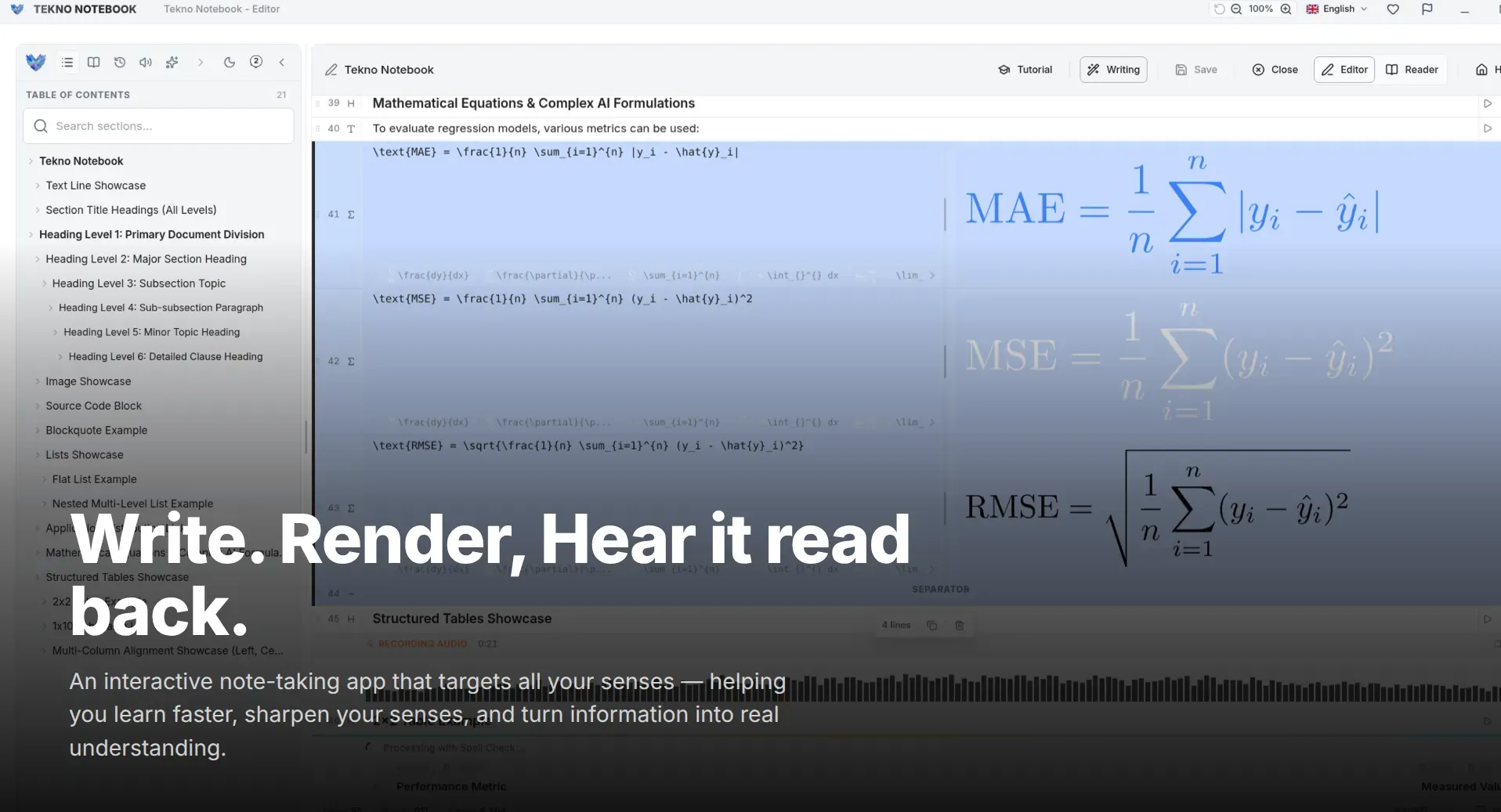
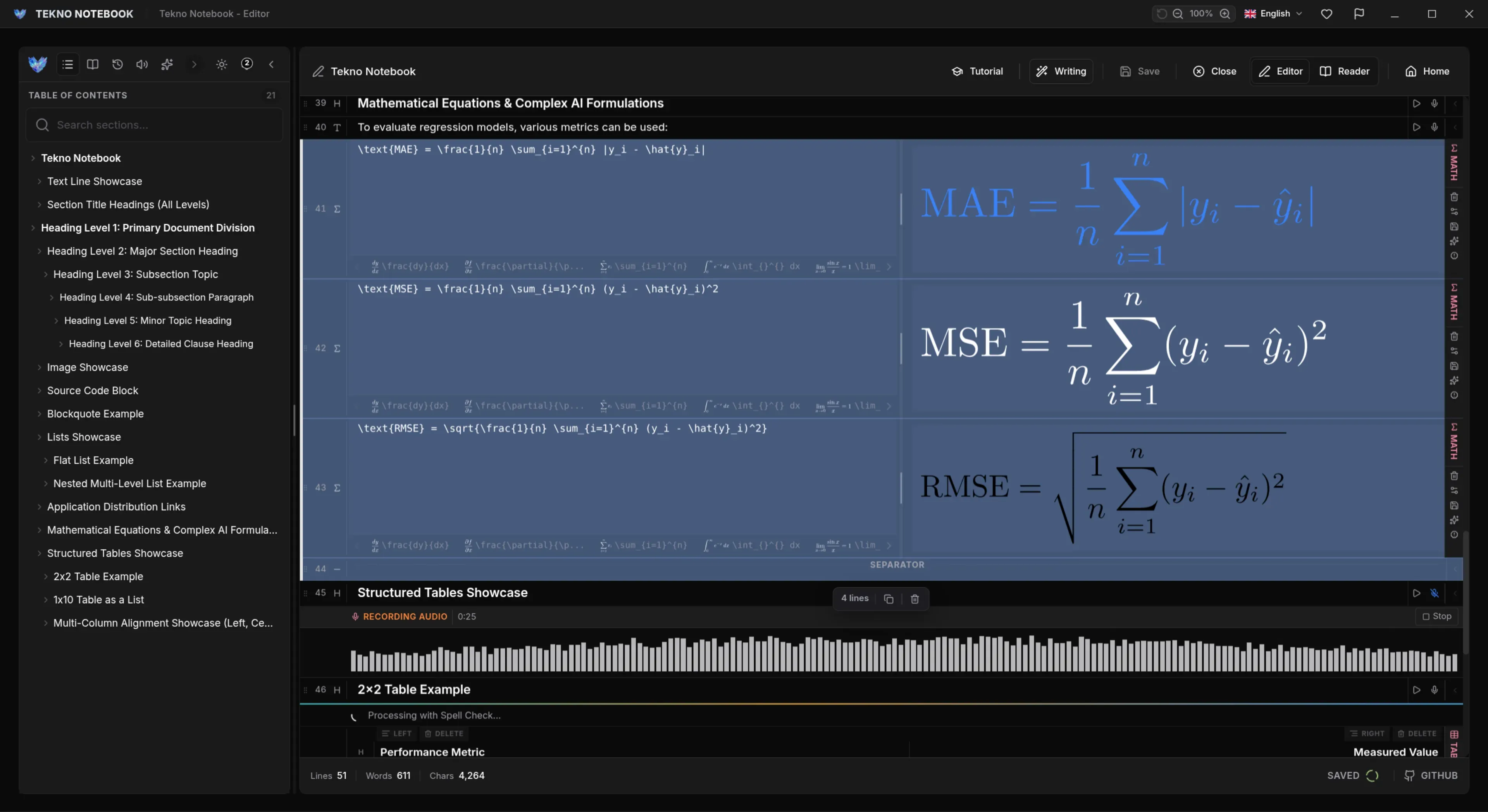
Whenever you look up the same concept a second time, capture it in your own words inside Tekno Notebook. Having your personal explanations offline—with instant search, clean formatting, and Reader Mode audio playback—transforms fleeting web lookups into knowledge that actually stays with you.
Start a "Looked Up Twice" page today and watch how quickly your recall sharpens.

Tekno Notebook
Listen to Your Notes Like a Media Player and Retain Twice as Much
Transform static written notes into an interactive audio track. Tekno Notebook combines built-in Text-to-Speech, Speech-to-Text, and synchronized line highlighting in a distraction-free desktop app.
- Built-in media player with play, pause, seek, and playback speed controls
- Auto-Tracking highlights the exact sentence or line as it is read aloud
- Multilingual Text-to-Speech support including Arabic, English, Spanish, Portuguese, and Chinese
- Integrated Speech-to-Text (STT) for dictating quick insights directly into your notes
