Consistency Over Laziness: How to Beat Procrastination Every Day
Sudden bursts of motivation fade fast, while small daily action compounds into real results. Understand why procrastination happens and how to build steady daily momentum.
Why Small Daily Work Beats Occasional Bursts of Motivation
Understanding the real root of procrastination and the math of consistency.
Many people wait for the perfect burst of inspiration to start studying or building a project. Days slip by with nothing done, followed by one exhausting crunch night that leaves you burned out. Usually this is not pure laziness—procrastination is your brain avoiding a task that feels too big or too vague.
One steady hour every day effortlessly outperforms a chaotic ten-hour marathon once a month. Consistency lowers mental resistance until showing up becomes automatic.
Three Practical Ways to Beat Laziness and Procrastination
1. Shrink the Starting Step Until It Feels Effortless
Telling yourself to finish an entire chapter triggers immediate avoidance. Replace it with: open my notebook and summarize one page for ten minutes. Once you cross the first five minutes, inertia flips in your favor.
2. Protect the Streak, Not Perfection
Procrastination feeds on all-or-nothing thinking. On hectic days when you only have 15 minutes, take those 15 minutes anyway. A modest session keeps the habit alive; skipping completely resets your momentum.
3. Remove Friction From Your Tools
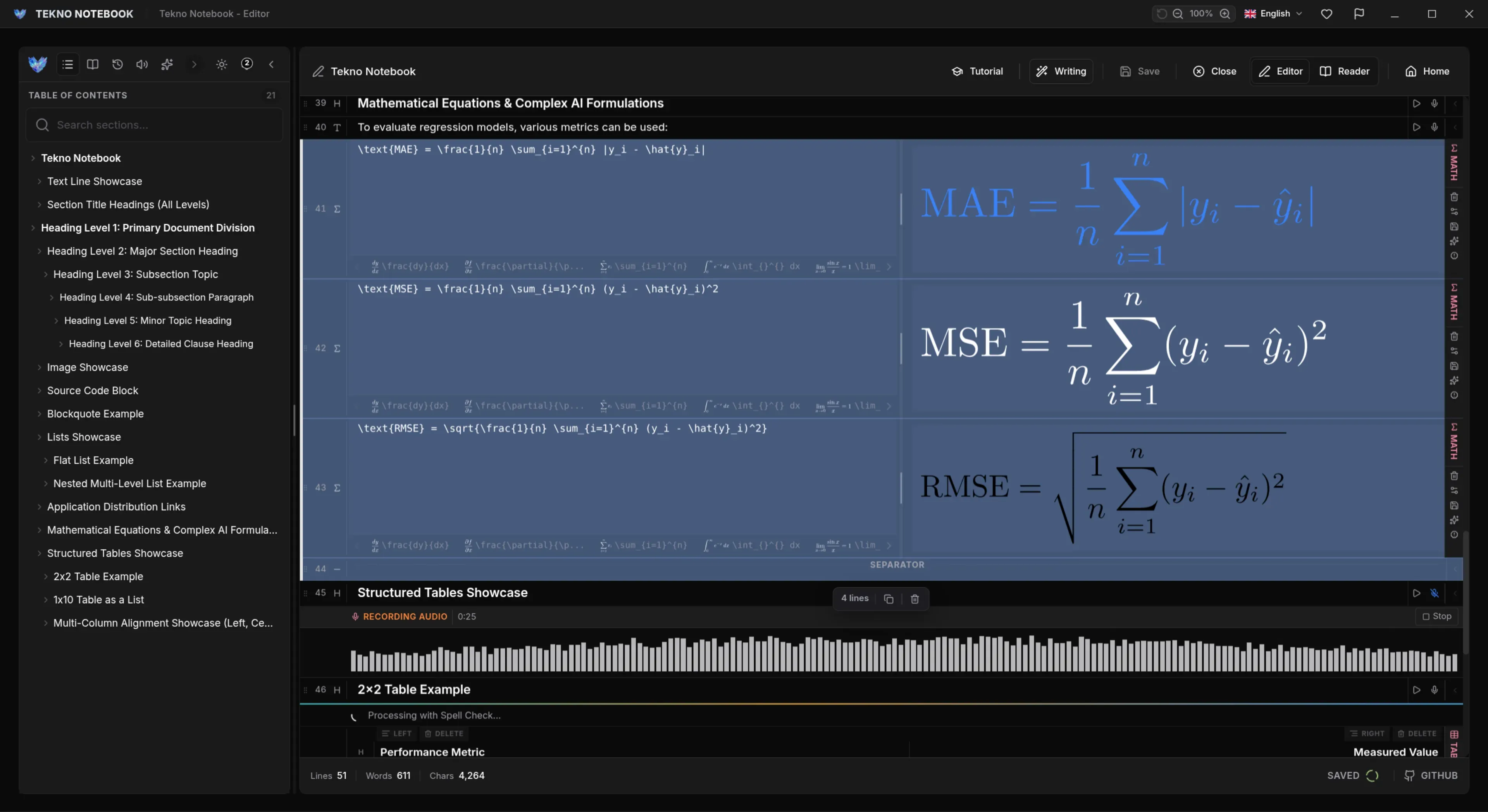
Every slow web app or notification banner hands procrastination an easy excuse. Keep your desk clear and start in a fast offline desktop app like Tekno Notebook so you begin working before your mind negotiates another delay.

Five Daily Habits That Quietly End Procrastination
Small rules that keep your daily rhythm intact.
- Write down tomorrow's very first small task before closing your desk tonight.
- Use the 10-minute rule: commit to ten minutes and allow yourself to stop if you still want to.
- Keep your phone in another room during your first work block of the day.
- Break large goals into concrete steps under 30 minutes each.
- Keep a brief daily log of finished tasks—visible progress fuels tomorrow's start.
Small steps repeated every day achieve what occasional bursts of motivation never will.
Keep a Two-Minute Daily Progress Log
Do not over-engineer your productivity system until managing the system becomes another form of procrastination. One clean file listing three clear priorities each morning is more than enough.
In Tekno Notebook, you can keep a dedicated daily log that launches instantly offline—helping you knock out your first step calmly and watch your consistency compound week after week.

Tekno Notebook
Lower the Friction to Starting With an Instant Daily Notebook
Procrastination thrives on slow, distracting tools. Tekno Notebook opens offline in a heartbeat so you can write your first task and start before hesitation kicks in.
- Instant startup with zero loading screens to stall momentum
- Offline-first so you never drift into feeds or notifications
- Simple daily lists and progress notes in one quiet place
- Free desktop app built for calm, repeatable routines