The Year 2038 Problem: Why Some 32-Bit Clocks Will Suddenly Jump Back to 1901
On January 19, 2038, signed 32-bit Unix timestamps hit their ceiling and wrap around to December 1901. Learn how this quiet sequel to Y2K works and what is still at risk.
The Second Counter That Started in 1970—and Runs Out in 2038
When a signed binary counter runs out of bits, adding one second flips it straight into the deep negative past.
Computing's next built-in deadline has an exact timestamp: January 19, 2038, at 03:14:07 UTC.
Unix-like systems track time by counting seconds elapsed since midnight on January 1, 1970. On legacy 32-bit signed systems, the largest number that fits is 2,147,483,647. One second later, integer overflow flips the sign bit, making unpatched systems think it is December 13, 1901.
What Is Actually at Risk—and What Is Already Safe?
1. Modern 64-Bit Devices Are Safe for Billions of Years
Modern laptops, phones, and servers moved to 64-bit timestamps—capable of counting roughly 292 billion years into the future, over twenty times the current age of the universe.
2. Legacy Embedded Gear and Databases Still Matter
Old routers, industrial controllers, and legacy database columns still storing 32-bit timestamps can break even before 2038 whenever they calculate future dates like 15-year mortgages or long-lived security certificates.
# Max signed 32-bit Unix timestamp: 2,147,483,647
date -u -d @2147483647
# -> Tue Jan 19 03:14:07 UTC 2038

# One second later on 32-bit signed time_t: wraps to 1901!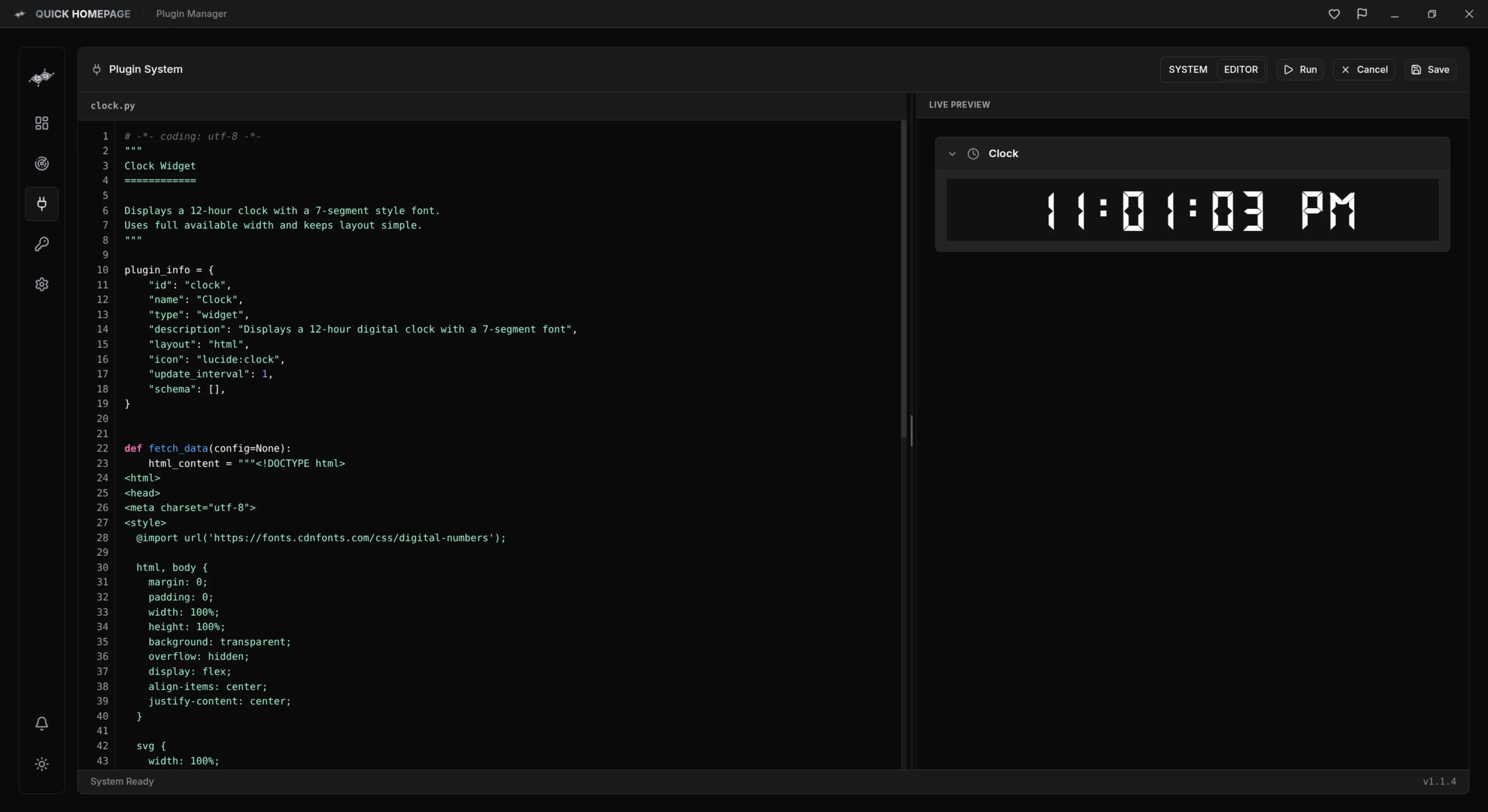
3 Engineering Lessons From the Year 2038 Problem
- Retiring or updating ancient networking hardware prevents silent time and certificate failures.
- Always choose 64-bit timestamps or standard ISO-8601 strings when designing new databases.
- Small shortcuts taken to save a few bytes often outlive their original authors by half a century.

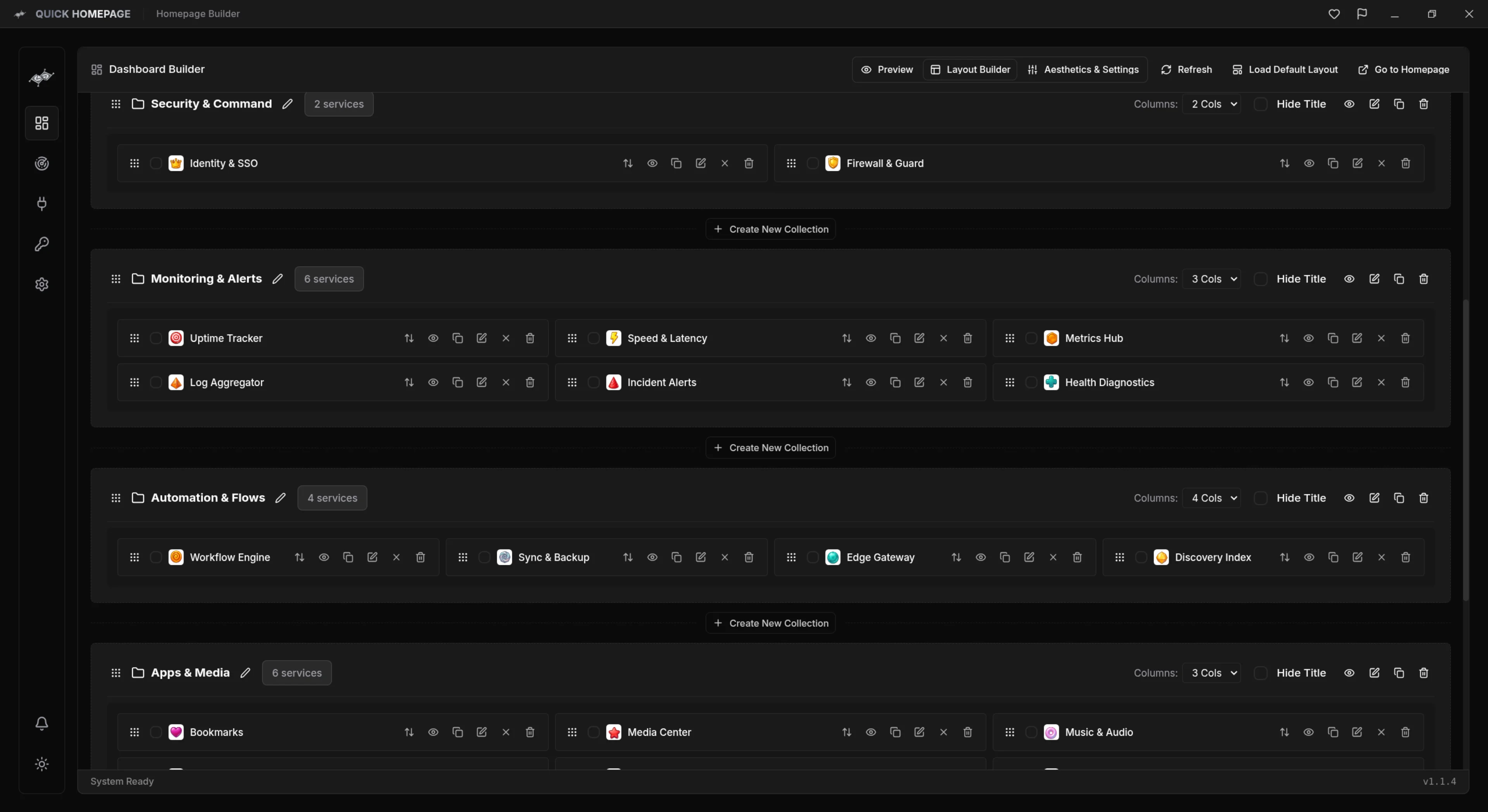
Quick Homepage
Bring All Local Devices and Network Services Together in Quick Homepage
A desktop and self-hosted dashboard that automatically discovers running services on your local network and organizes them into clean, lockable collections.
- Automatic discovery of active devices and services on your LAN
- Custom collections for one-click access to every local service
- Config Lock prevents accidental layout changes
- Visual GUI editor and extensible status widgets