Undersea Cables and BGP: How Your Data Crosses Oceans in Milliseconds
Despite the name 'the cloud,' over 95% of international internet traffic travels through fiber-optic cables on the ocean floor. Discover how submarine cables and BGP keep the world connected.
The Internet Isn't in the Sky—It's on the Ocean Floor
Hundreds of armored fiber-optic cables no thicker than a garden hose carry light pulses between continents.
We call modern infrastructure 'the cloud,' making it easy to assume satellites carry our messages. In reality, more than 95% of intercontinental internet traffic rides through glass fibers laid across the seabed, wrapped in steel armor to survive deep-water pressure and ship anchors.
Two Pillars Behind Every Global Click
1. Submarine Fiber-Optic Cables
Your clicks travel as pulses of laser light across thousands of kilometers in fractions of a second. When a ship anchor severs a cable, traffic automatically detours onto backup routes—often showing up as higher ping rather than a total blackout.
2. Border Gateway Protocol (BGP)
The internet is a patchwork of tens of thousands of independent networks (Autonomous Systems). BGP acts as the global GPS through which those networks announce reachable routes. A single misconfigured BGP announcement can accidentally blackhole a major service worldwide in minutes.
# Watch the physical network hops your packets take
traceroute example.com

# On Windows:
tracert example.com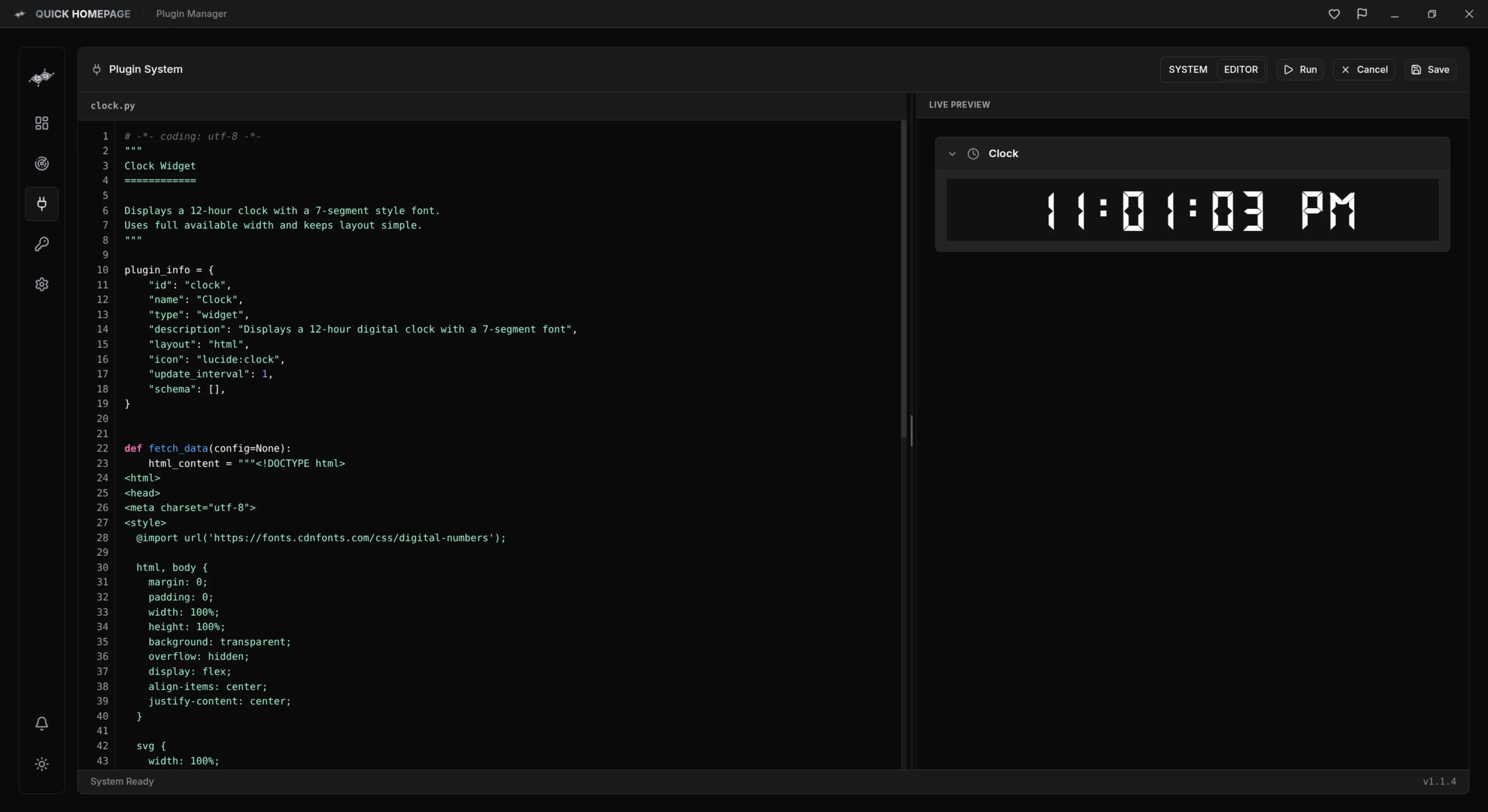
3 Surprising Facts About a Single Packet's Journey
- Light crosses the Atlantic between Europe and North America in roughly 60 to 70 milliseconds.
- When a major link drops, BGP recalculates alternate paths across continents automatically.
- Keeping essential tools self-hosted on your LAN keeps them fast and reachable even when external routes hiccup.
Everyday Clicks Rest on Extraordinary Physical Engineering
Run a single traceroute command to watch your traffic hop from your router across borders.
Understanding the physical cables and routing protocols beneath the web turns mysterious slowdowns into solvable engineering puzzles.

Quick Homepage
Bring All Local Devices and Network Services Together in Quick Homepage
A desktop and self-hosted dashboard that automatically discovers running services on your local network and organizes them into clean, lockable collections.
- Automatic discovery of active devices and services on your LAN
- Custom collections for one-click access to every local service
- Config Lock prevents accidental layout changes
- Visual GUI editor and extensible status widgets