The Sunk Cost Fallacy: Why We Keep Pouring Time and Money Into Losing Plans
Finishing a boring course because you paid for it, or sticking with a broken study system because you spent weeks building it—learn how to beat the sunk cost trap.
Why We Keep Investing Future Effort to Defend Past Mistakes
Our brains hate admitting a loss, so they try to rescue yesterday by spending tomorrow.
Money and hours spent yesterday are already gone—smart decisions only weigh what tomorrow will cost or return.
The sunk cost fallacy is one of the sneakiest cognitive biases in everyday life: finishing an unhelpful course just because you paid tuition, keeping an unused subscription so past payments don't feel wasted, or clinging to an ineffective study method weeks before exams.
4 Warning Signs You Are Stuck in a Sunk Cost Trap:
Walking further down the wrong road never refunds the miles behind you—it only burns the time you could spend on a better route.

3 Practical Steps to Beat the Sunk Cost Fallacy
A one-minute mental reset separates smart persistence from stubbornness.
Run through these three steps before renewing any commitment:
- Ask the Blank-Slate Question: 'If I had invested zero time or money so far, would I choose this today?'
- Set clear review checkpoints (every two weeks or monthly) to judge progress objectively.
- Redirect freed-up time and cash immediately toward a high-value goal or structured savings plan.

Jameia - Rotating Savings
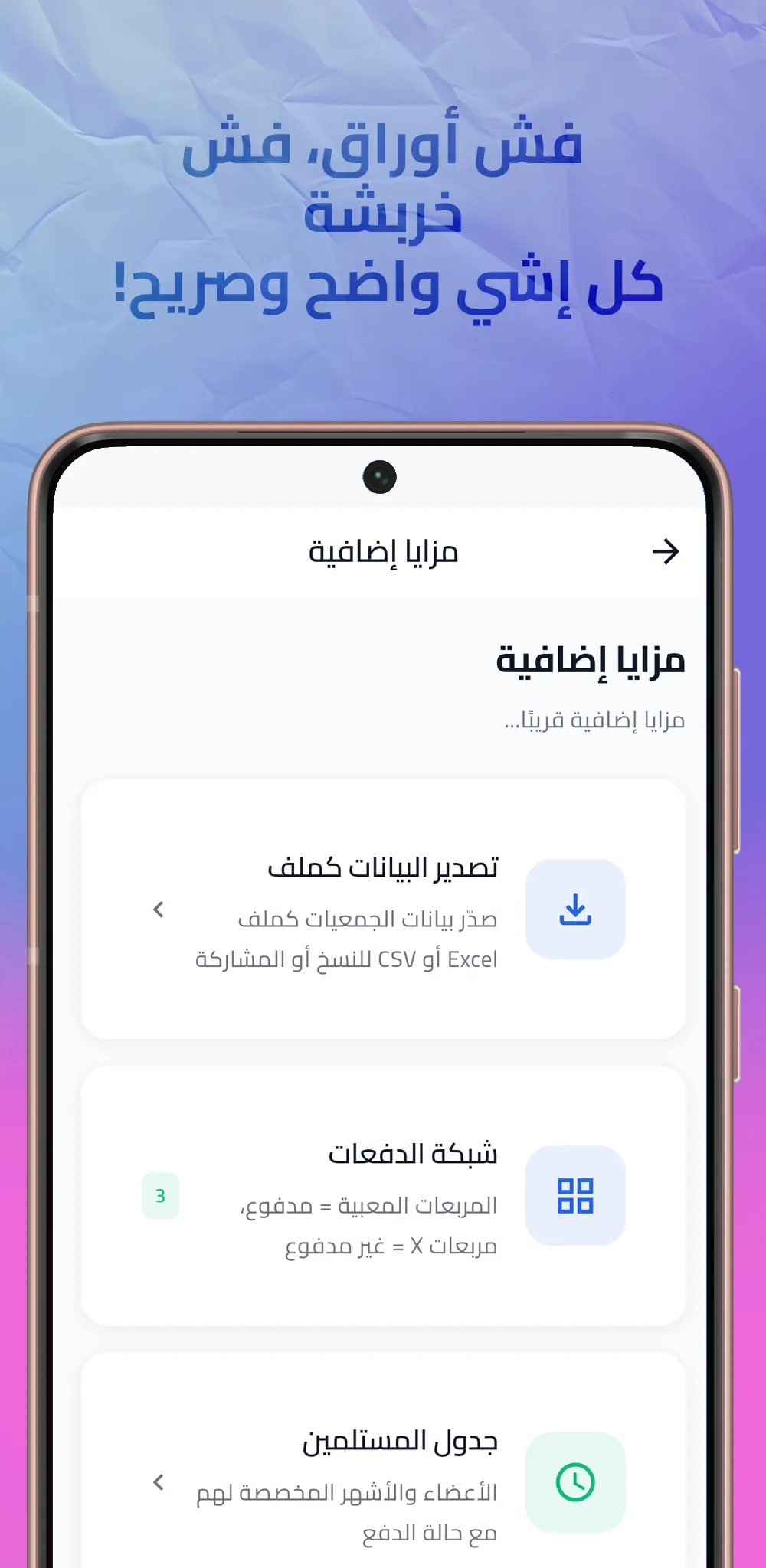
Track Monthly Contributions and Payout Turns Effortlessly With Jameia
An offline-first mobile app for organizing rotating savings groups with family, friends, or coworkers—complete with automated schedules and clear member reports.
- Clear monthly payment tracking for every group member
- Automated turn scheduling and totals with zero math errors
- Exportable reports that keep trust and transparency high
- Private, offline-first mobile experience