Static IP vs. DHCP Reservation: The Cleanest Way to Keep Local Devices Predictable
Did your network printer or home server vanish after a power outage? Its IP address likely changed. Compare manual Static IPs with router-based DHCP reservations.
Why Local Devices Change Addresses After a Reboot
DHCP hands out temporary leases by default, which breaks links to servers, printers, and cameras.
After a router reboot or power outage, your file server or network printer may wake up with a brand-new IP address, breaking saved shortcuts instantly. There are two clean ways to lock addresses down permanently.
How the Two Methods Compare
1. Manual Static IP (Set on the Device)
You hardcode the IP, subnet mask, and gateway directly inside the device's OS. It is essential for core infrastructure like hypervisors and switches, but picking an address inside your router's DHCP pool can trigger frustrating IP conflicts.
2. DHCP Reservation (Set on the Router)
The device stays on automatic DHCP, while your router binds its MAC address to the exact same IP every time. Every assignment lives in one central list with zero risk of duplicate IPs.
When to Use Each Method
- Use Static IPs (outside the DHCP pool) for core servers, switches, and access points.
- Use DHCP Reservations for printers, cameras, laptops, and smart devices that move or reset.
- Split your subnet cleanly: for example, .2–.50 for static hosts and .100–.200 for automatic DHCP.
- Keep a short inventory of reserved addresses so expanding your network stays effortless.
The Simple Rule for Conflict-Free Home Networks
A clean numbering plan prevents hours of chasing disappearing devices.
Centralizing addresses through DHCP reservations gives you the predictability of static IPs with half the maintenance.

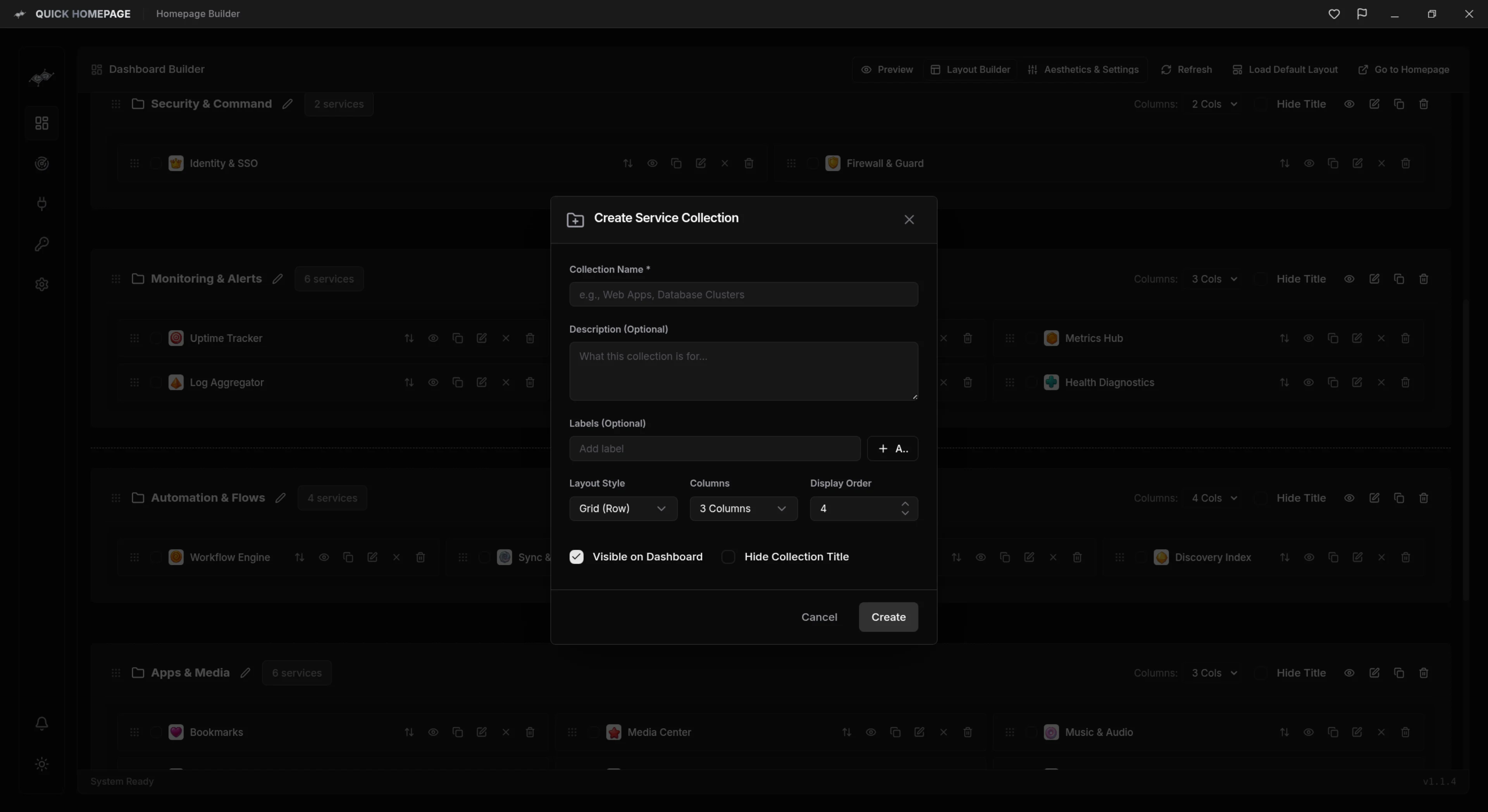
Quick Homepage
Bring All Local Devices and Network Services Together in Quick Homepage
A desktop and self-hosted dashboard that automatically discovers running services on your local network and organizes them into clean, lockable collections.
- Automatic discovery of active devices and services on your LAN
- Custom collections for one-click access to every local service
- Config Lock prevents accidental layout changes
- Visual GUI editor and extensible status widgets