Subscription Fatigue: Why We Rent Everything Today—and How to Reclaim Ownership of Your Tools
Five dollars here and ten dollars there quietly turn into hundreds every year—and the moment you stop paying, your own files lock up. Explore why local-first and self-hosted tools are making a comeback.
How Small Monthly Fees Quietly Became a Second Rent
Renting software shifts control away from the user—from sudden price hikes to vanishing features.
Not long ago, buying a piece of software meant installing it once and using it for years. Today, everything from note-taking and photo storage to simple utilities asks for a recurring monthly fee. Individually each plan looks cheap, yet stacked together they drain budgets every single month forever.
The cost is not only financial. When your daily tools live strictly on rented cloud platforms, a sudden price increase, policy change, or shut-down service can disrupt your workflow overnight.
Three Practical Ways to Break Free From Subscription Creep
1. Run a Ten-Minute Annual Subscription Audit
List every recurring digital charge and multiply it by twelve. Seeing the yearly total makes it obvious which tools truly earn their keep and which ones you barely open.
2. Switch Core Everyday Utilities to Offline or Self-Hosted Alternatives
Basic needs—like writing notes, storing family photos, or organizing home bookmarks—do not require paying rent forever. Local-first desktop apps and self-hosted tools keep your files in open formats you actually own.
3. Keep Your Self-Hosted Tools Easy to Reach
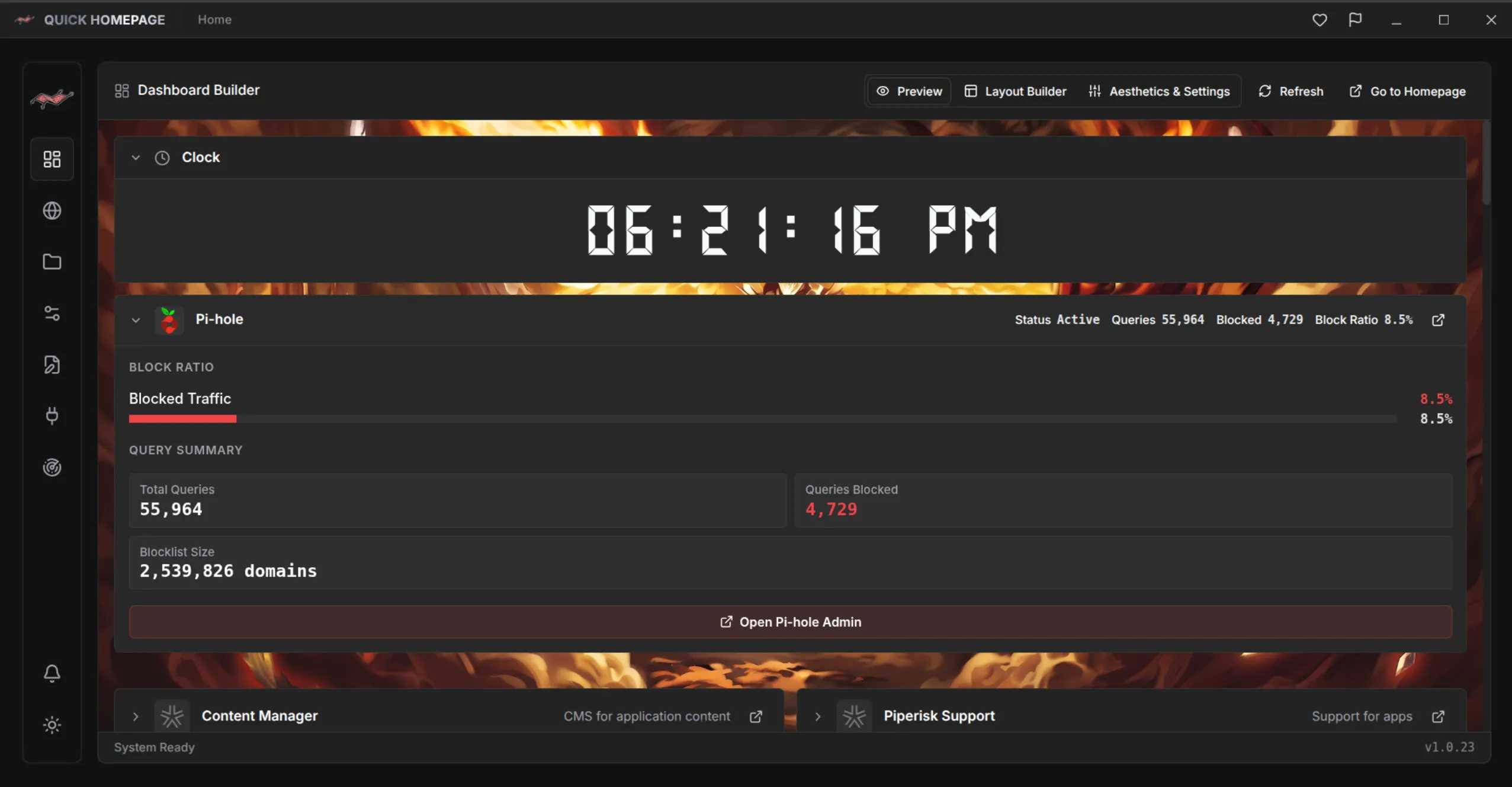
The biggest reason people drift back to paid cloud platforms is convenience. Organizing your local tools into one clean dashboard makes owning your setup just as effortless as renting.
Five Rules for Smarter Software Ownership
Pay only for services that deliver ongoing value—own the rest.
- Always calculate the yearly cost before clicking "Start Free Trial."
- Prefer tools that store your data in standard, exportable formats like Markdown, PDF, or YAML.
- Keep a local copy of irreplaceable documents even if you still use one cloud service.
- Replace at least one paid utility every quarter with a clean offline or open alternative.
- Centralize your local web tools in one visual dashboard so you actually enjoy using them.
Ownership is not just about saving money—it is about knowing your tools will still work next year on your own terms.
Making Your Own Tools Feel Effortless
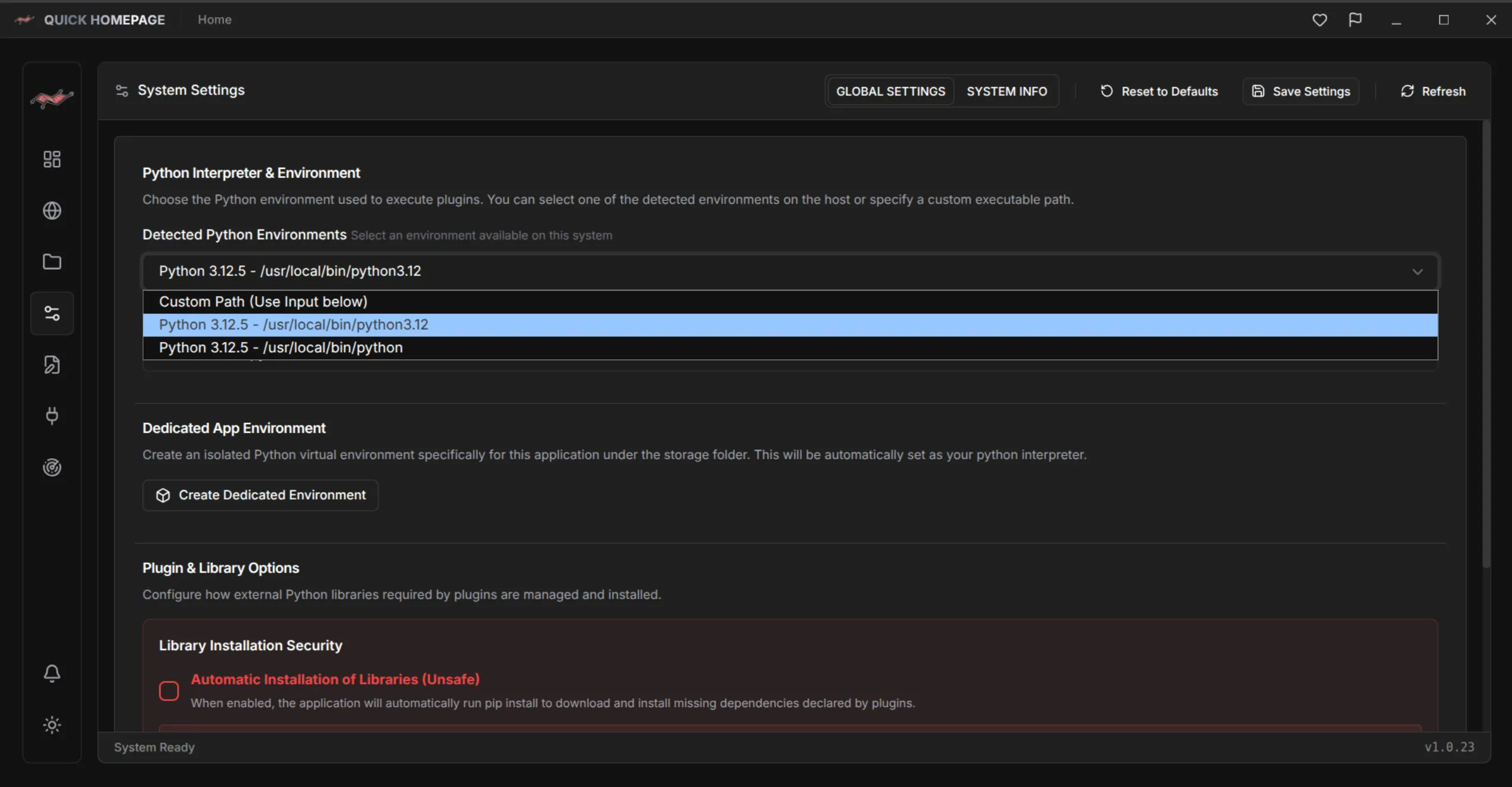
When you move away from bloated subscription suites toward fast local and self-hosted apps, Quick Homepage ties everything together on Linux—discovering running services automatically and arranging them into clean collections you control completely.
Check your recurring statements today, cancel one forgotten subscription, and replace it with a tool you actually own.

Quick Homepage
Every Service on Your Network, One Click Away
Quick Homepage is a desktop and self-hosted homelab dashboard that discovers running services with built-in Nmap scanning and organizes them into collections. Linux is supported today, with Windows planned.
- Built-in Nmap network and port scanner finds hosts, ports, and services
- Custom names, URLs, descriptions, and icons with a built-in icon and media library
- Collections, layouts, plugins, and live widgets for your homelab
- Configure through the GUI or edit YAML files directly