The Pay Yourself First Rule: Why Saving What Is Left Over Never Works
Spending first and hoping for leftovers leaves most people with zero savings at month-end. Flip the order with the Pay Yourself First rule and make saving automatic.
Why Paychecks Disappear Before Month-End
Expenses naturally expand to fill whatever balance sits in your account—the fix is changing the order.
Almost everyone starts the month promising to save whatever is left after bills and shopping. Almost every month, nothing is left. The problem isn't willpower; it's treating your full balance as spendable cash.
How the Pay Yourself First Rule Works
1. Treat Savings as Bill Number One
The moment income arrives, move a fixed percentage—even a modest 10%—toward your future before paying for non-essentials.
2. Spend the Remainder Guilt-Free
Once savings are set aside first, your daily budget adjusts automatically to what remains without exhausting micro-tracking.
Do not save what is left after spending; spend what is left after saving.
4 Simple Steps to Start Next Payday
- Start with a sustainable 10% to 15% so you never have to raid it mid-month.
- Move the amount within 24 hours of receiving income.
- Keep saved money out of sight from your everyday spending balance.
- Nudge your rate up by 2% whenever your income grows.
Rotating Savings Circles: Pay Yourself First With Built-In Accountability
A shared monthly schedule removes the temptation to skip a month.
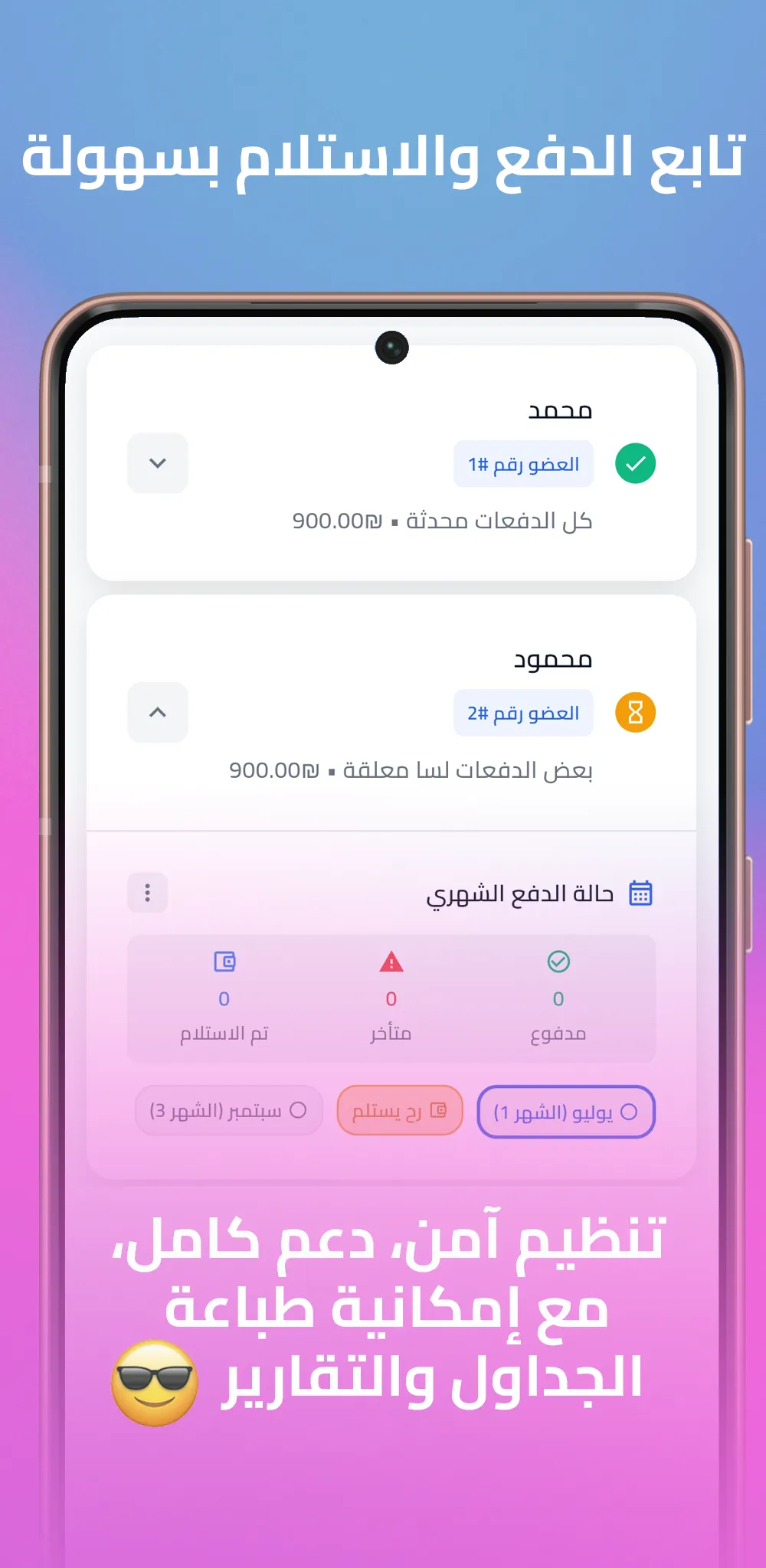
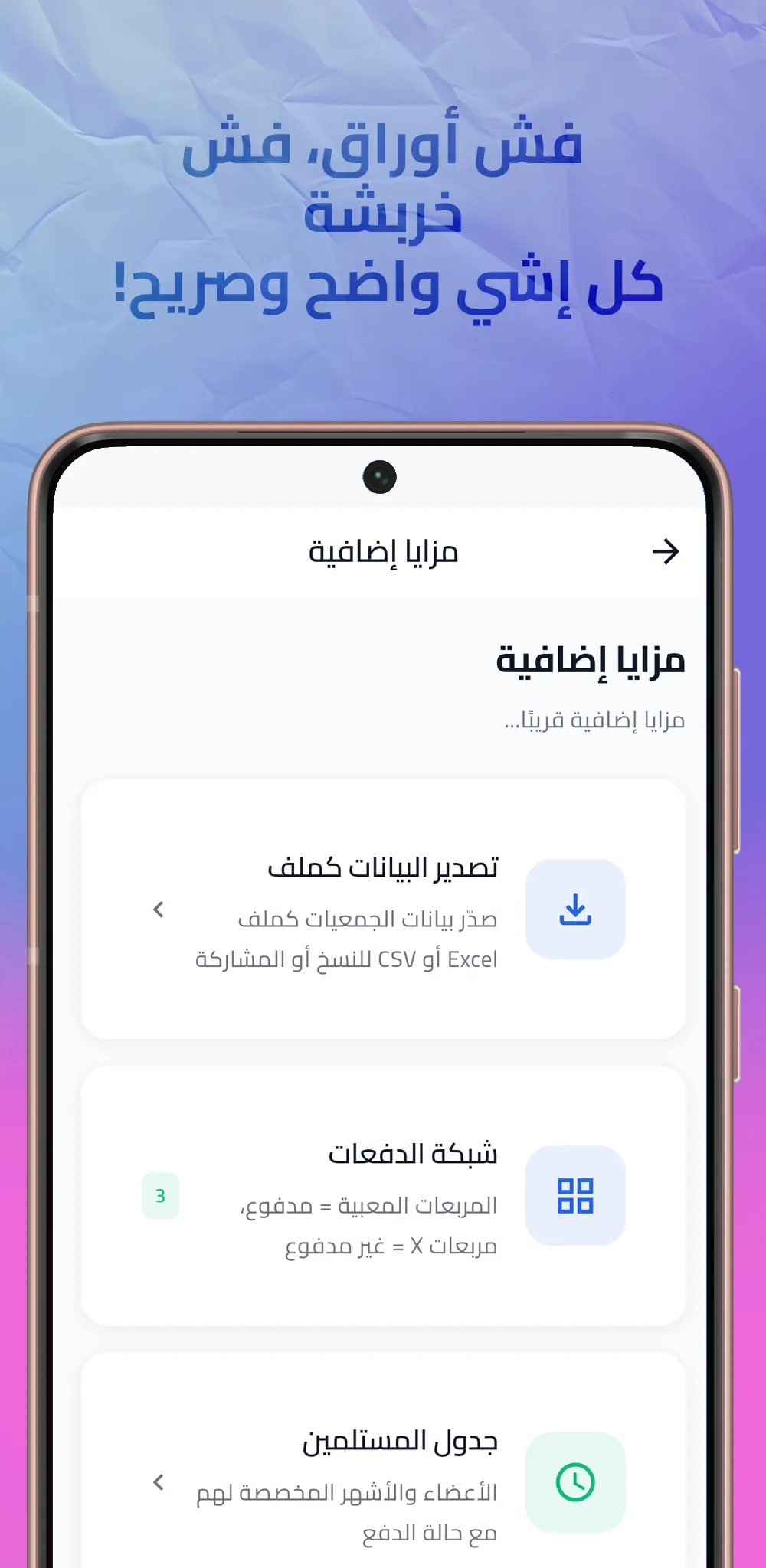
Joining a trusted rotating savings group with family or coworkers turns Pay Yourself First into a concrete payday routine. With the Jameia app, turns, payments, and clear reports stay organized offline from day one.

Jameia - Rotating Savings
Lock In Your Pay-Yourself-First Commitment With the Jameia App
Turning your monthly savings into a structured group circle makes payday saving non-negotiable. Jameia tracks every turn, contribution, and report offline.
- Clear monthly schedule keeps every contribution on time
- Instant payment logging without manual spreadsheet math
- Shareable reports keep every group member confident
- Private, offline-first mobile experience