The Pain of Paying: Why Tap-to-Pay and Digital Wallets Make You Spend More Without Noticing
Tapping a phone or card in one second silences the brain's natural spending alarm. Learn how healthy friction protects your budget and locks in real monthly savings.
Why One-Second Tap-to-Pay Silences Your Brain's Spending Alarm
Handing over physical cash feels real; tapping a phone numbs the feeling of money leaving your account.
Behavioral scientists call this the 'pain of paying'—the subtle mental brake you feel when parting with cash. Contactless cards, phone wallets, and one-click checkout strip away almost all of that friction, quietly pushing everyday spending up while leaving you wondering where the month's paycheck went.
Two Ways Frictionless Payments Drain Your Savings
1. Separating Pleasure From the Bill
When you tap or split payments, you enjoy the purchase immediately while the real balance impact fades into a statement weeks later.
2. Making Tiny Impulse Buys Invisible
Delivery apps, daily treats, and micro-upgrades rely on zero friction—completing checkout before your rational mind gets two seconds to pause.

4 Ways to Add Healthy Friction Back Into Your Budget
- Remove saved card numbers from shopping sites where you tend to impulse-buy.
- Turn on instant balance alerts after every tap so you see the drop immediately.
- Set a fixed weekly allowance for casual spending and keep it separate.
- Commit your monthly savings share on payday into a structured group circle before daily taps begin.
Lock Away Your Savings Before Tap-to-Pay Starts
Committing a fixed monthly share upfront shrinks the pile exposed to impulse spending.
Rather than fighting frictionless checkouts every day, move your savings share on day one into a trusted rotating savings group—and track every contribution, turn, and report cleanly in the Jameia app.
The easier it becomes to spend money in one second, the more you need a structured system that protects your savings first.

Jameia
Lock In Your Monthly Savings Share on Day One With the Jameia App
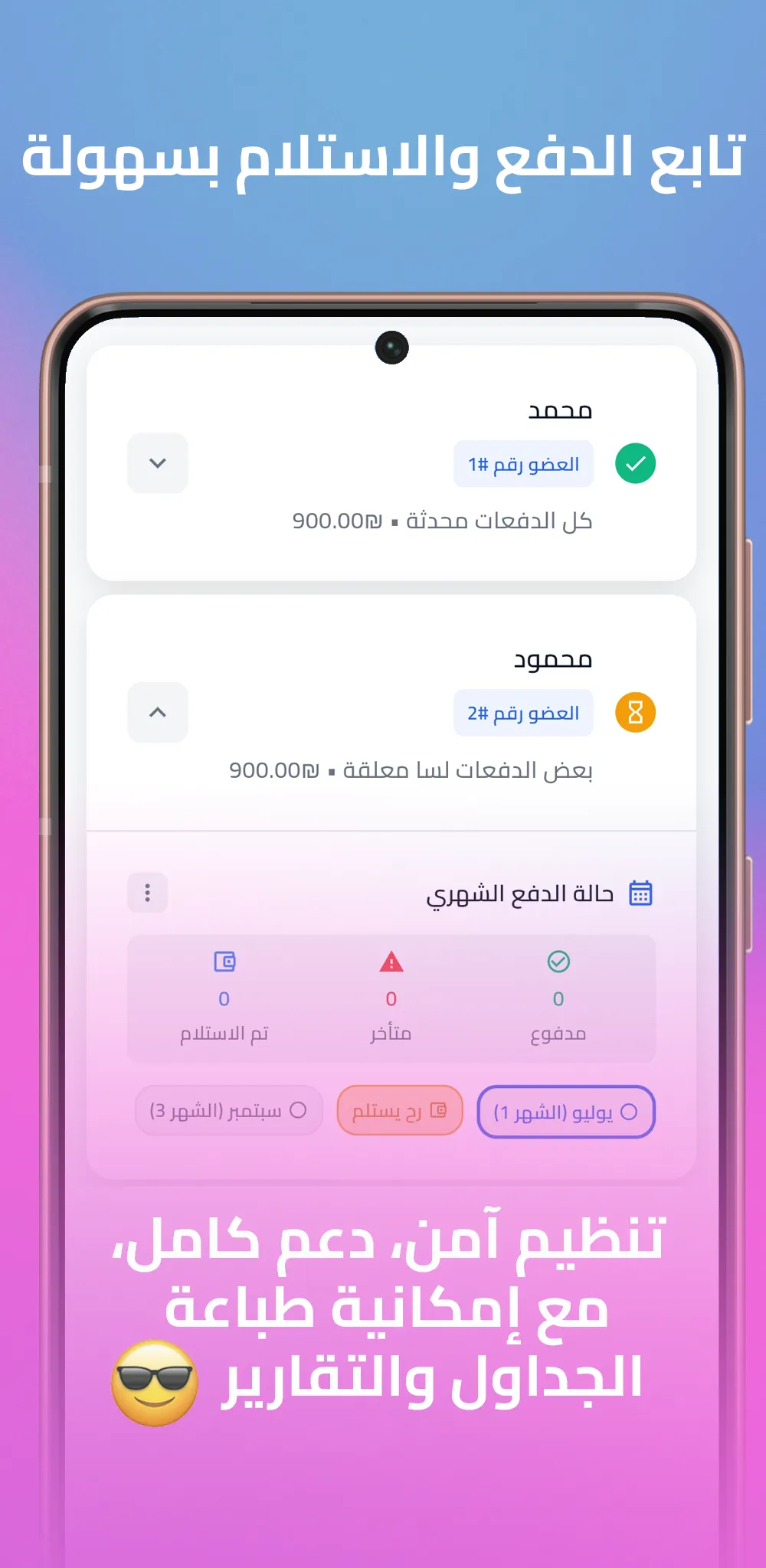
Jameia helps families and trusted friends manage monthly rotating savings circles with automated math, clear payout turns, and shareable reports.
- Clear tracking of monthly payments and every member's payout turn
- Automated calculations prevent manual errors and confusion
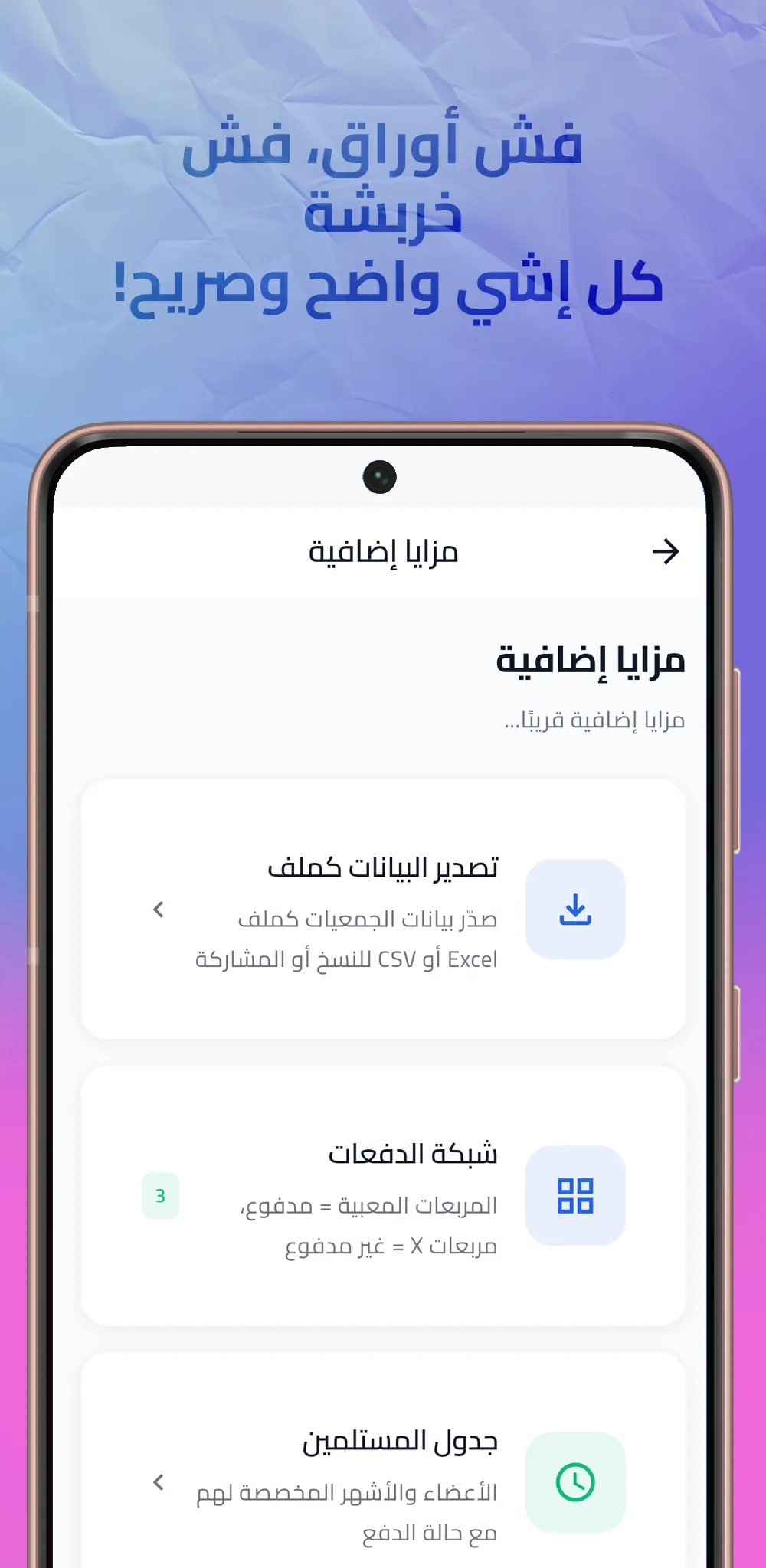
- Export clean reports to keep the entire group transparent
- Private, mobile-first tracking with zero banking complexity