Jameia vs. Bank Loan vs. Savings Account: Which Is Best for Your Next Goal?
Wedding, tuition, or a big purchase? Compare a Jameia (rotating savings circle), a bank loan, and a savings account on cost, timing, and discipline—and see how the Jameia app keeps your circle transparent.
Three Ways to Fund a Goal: Jameia, Bank Loan, or Savings Account?
A plain-language comparison of cost, speed, and discipline, so you can choose the option that fits your goal.
A wedding, university tuition, a new laptop, a home repair: almost everyone faces the same question at some point. How do you pay for a big expense without wrecking your monthly budget? Three routes are common: join a Jameia (a rotating savings circle, also called a ROSCA), borrow from a bank, or save alone in a savings account. Each one shines in a different situation.
This guide compares the three on what matters most—cost, timing, discipline, and flexibility—and shows how an app like Jameia - Rotating Savings keeps a circle organized. The information is general and is not financial advice; terms vary by country and by bank.
How the Three Options Compare
1. Cost: Interest, Fees, and What You Actually Pay
A bank loan hands you the full amount right away, but you repay the principal plus interest and sometimes fees. A savings account is usually free to use and may earn a small return that varies from bank to bank. A Jameia has no interest in either direction: every member pays in exactly what they eventually receive, so it costs nothing beyond your own contributions—and it does not earn anything either.
2. Timing: When Does the Money Arrive?
A loan pays out after approval. With a savings account you only reach your target once you have saved all of it, which can take a long time. In a Jameia it depends on your turn: early recipients get the lump sum quickly, later recipients get it later. That makes turn order the most important decision in any circle, and many groups settle it by drawing lots or by comparing real needs.
3. Discipline and Risk: Who Keeps You on Track?
Saving alone relies on willpower. A loan relies on a contract and a credit check, and missed payments can hurt your credit record. A Jameia relies on trust and accountability to the group. Its main risk is a member who stops paying, so choose participants carefully and keep clear, shared records. That is exactly where an app helps.

Which Option Fits Your Goal?
Quick rules of thumb, plus how to keep a Jameia transparent.
- Choose a Jameia when: you need a mid-sized lump sum, you trust the group, and you want to avoid interest.
- Choose a bank loan when: you need the full amount immediately and can carry the repayments comfortably.
- Choose a savings account when: your goal has a flexible deadline, or you want an emergency fund that only you control.
- Combine them: some people keep an emergency fund in savings and join a Jameia for a planned purchase.
- Always keep records: whichever you choose, clear records prevent misunderstandings and show your progress.
The best financial tool is the one you can keep up with month after month.
Keeping a Jameia Transparent with an App
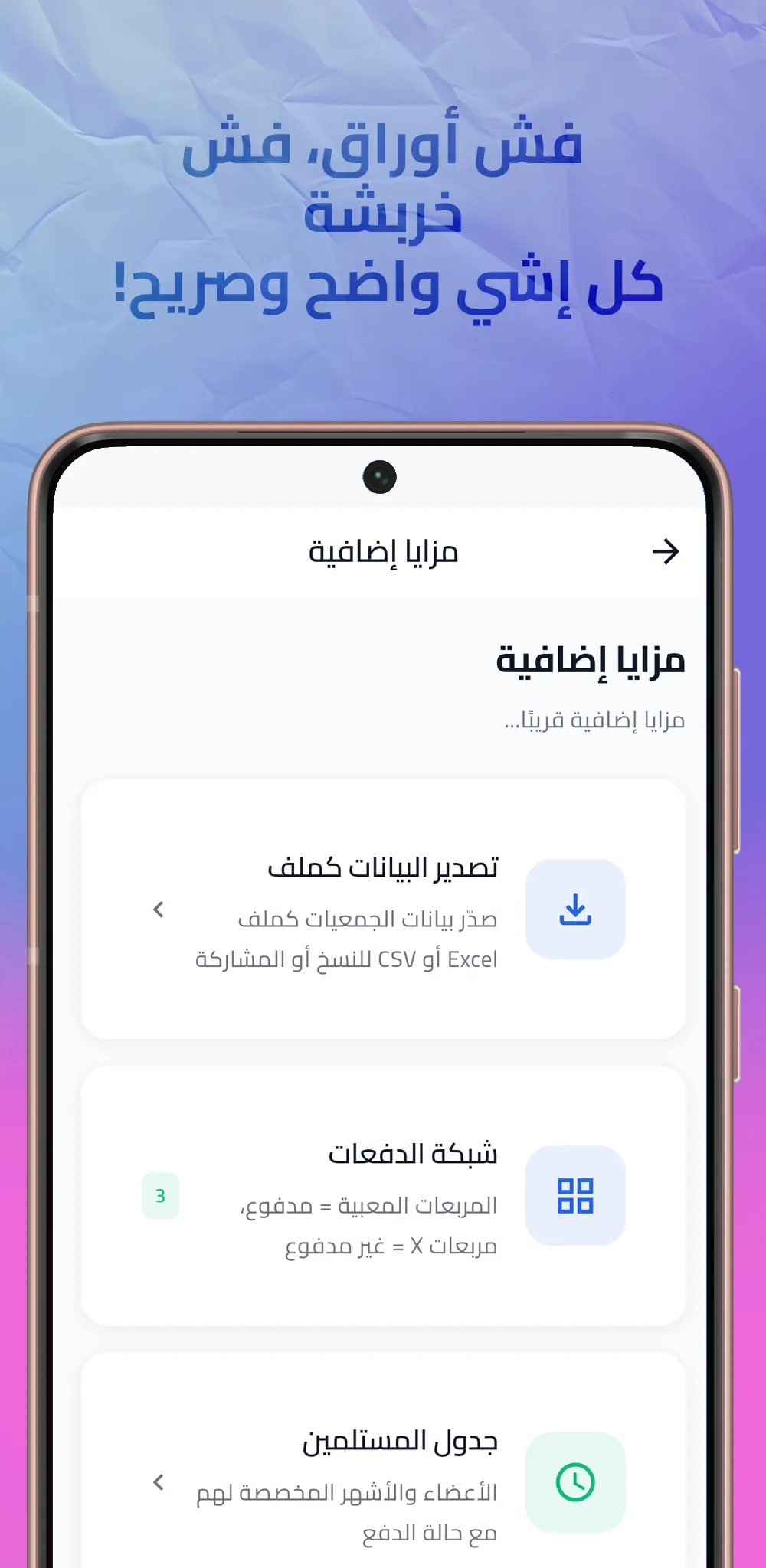
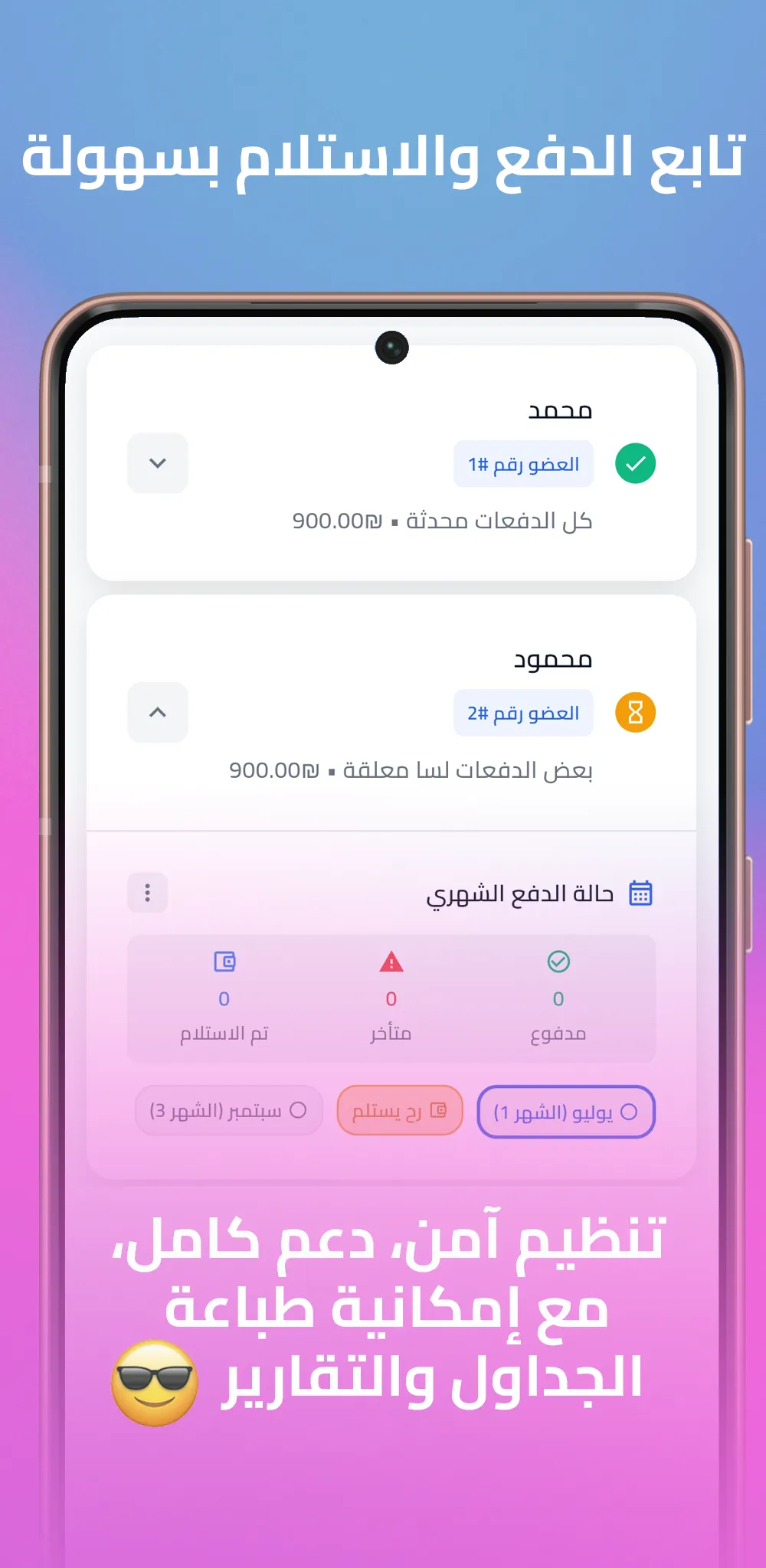
Jameia - Rotating Savings is built as a smart organizing and tracking ledger: unlimited groups, member roles with swappable payout positions, Gregorian, Hijri, and Syriac calendars, global or custom currencies, and one-tap PDF reports and printable payment tables. The app never handles real money and collects no personal data, so your group keeps full custody of its funds.
Want to go deeper? Visit the Jameia project page (/en/project/JameiaRotatingSavings), learn what a Jameia is and how it works (/en/blog/what-is-jameia-digital-rotating-savings-guide), or follow our step-by-step setup guide (/en/blog/step-by-step-guide-running-successful-jameia).

Jameia - Rotating Savings
Start Your Jameia with Family or Friends—Easily and Securely
Manage unlimited rotating savings circles, assign member roles, track monthly contributions across Hijri, Gregorian, and Syriac calendars, and export one-click PDF reports with zero data collection.
- Track unlimited rotating savings groups simultaneously with flexible member roles
- Supports Gregorian, Hijri, and Syriac calendars plus custom month display styles
- Global currencies and custom currency creation tailored to your community
- One-click PDF export and printable payment tables with zero user data collected