Dual Coding Theory: How Pairing Visuals, Words, and Audio Doubles Study Retention
Reading walls of plain text drains focus fast. Learn how dual coding creates two parallel memory pathways so complex concepts stick effortlessly on exam day.
Why Two Memory Pathways Beat One Every Time
Your brain processes verbal information and visual structure through separate channels—combining them makes recall far stronger.
Storing a fact only as plain text gives your memory one key; pairing it with a diagram and audio gives you multiple ways back to the same answer.
Cognitive research consistently shows that rereading long paragraphs alone fades quickly under exam stress. Dual Coding Theory explains why: when you pair concise verbal explanations with a simple visual layout—like a flowchart, timeline, or comparison grid—your brain encodes the concept twice.
How to Use Dual Coding Without Being an Artist
1. Turn Relationships Into Simple Sketches or Structured Blocks
Stick figures, arrows, timelines, and side-by-side comparisons work just as well as polished graphics. The goal is seeing how ideas connect at a glance.
2. Reinforce Visual Notes With Audio Playback
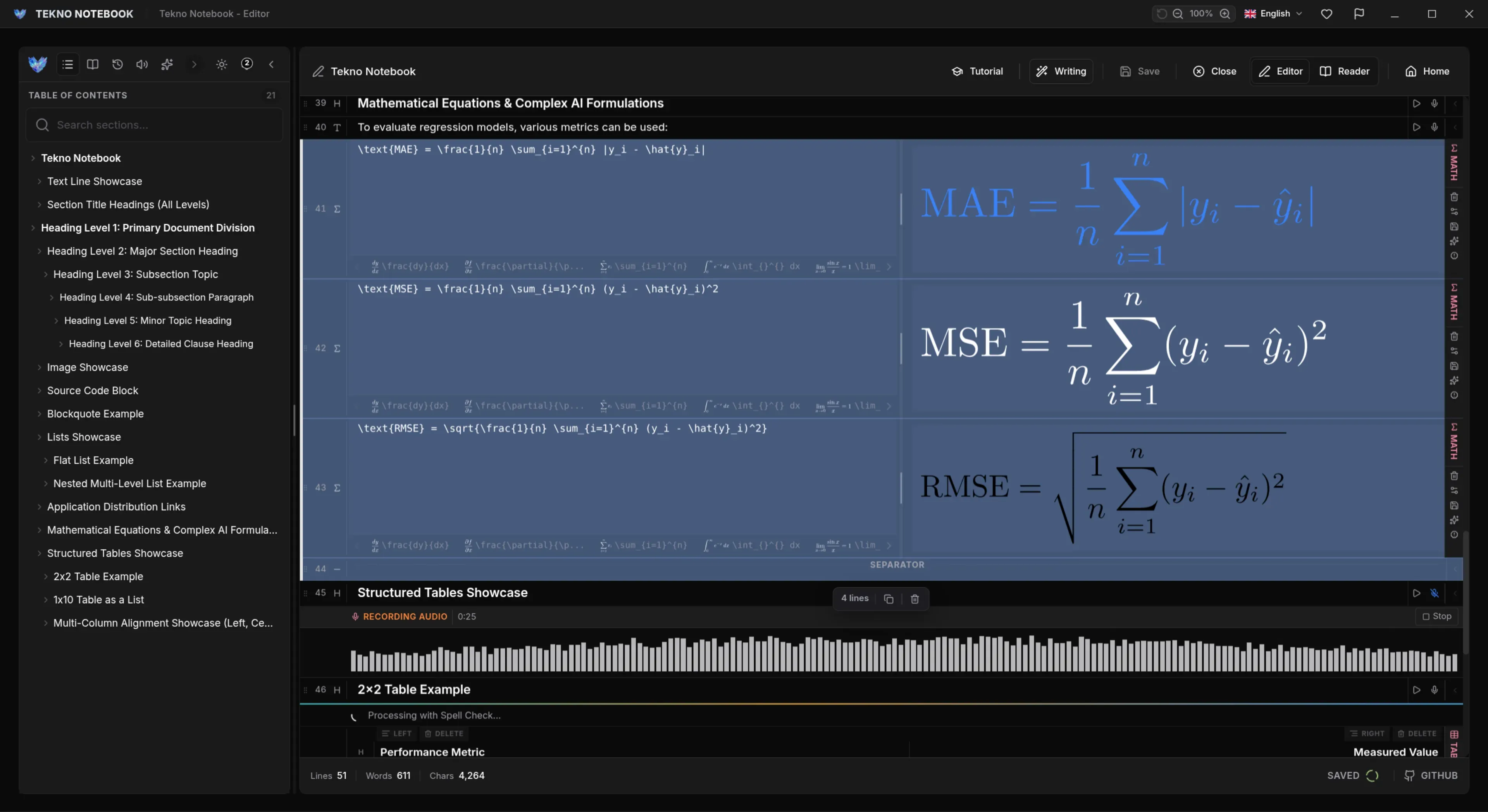
Reviewing a cleanly formatted note while listening to it aloud—and watching each line highlight in sync—engages both visual and auditory channels with minimal fatigue.
A Four-Step Dual Coding Checklist for Your Next Chapter
Apply these quick habits to turn dense textbook pages into clear mental anchors.
Try this workflow on your toughest topic this week:
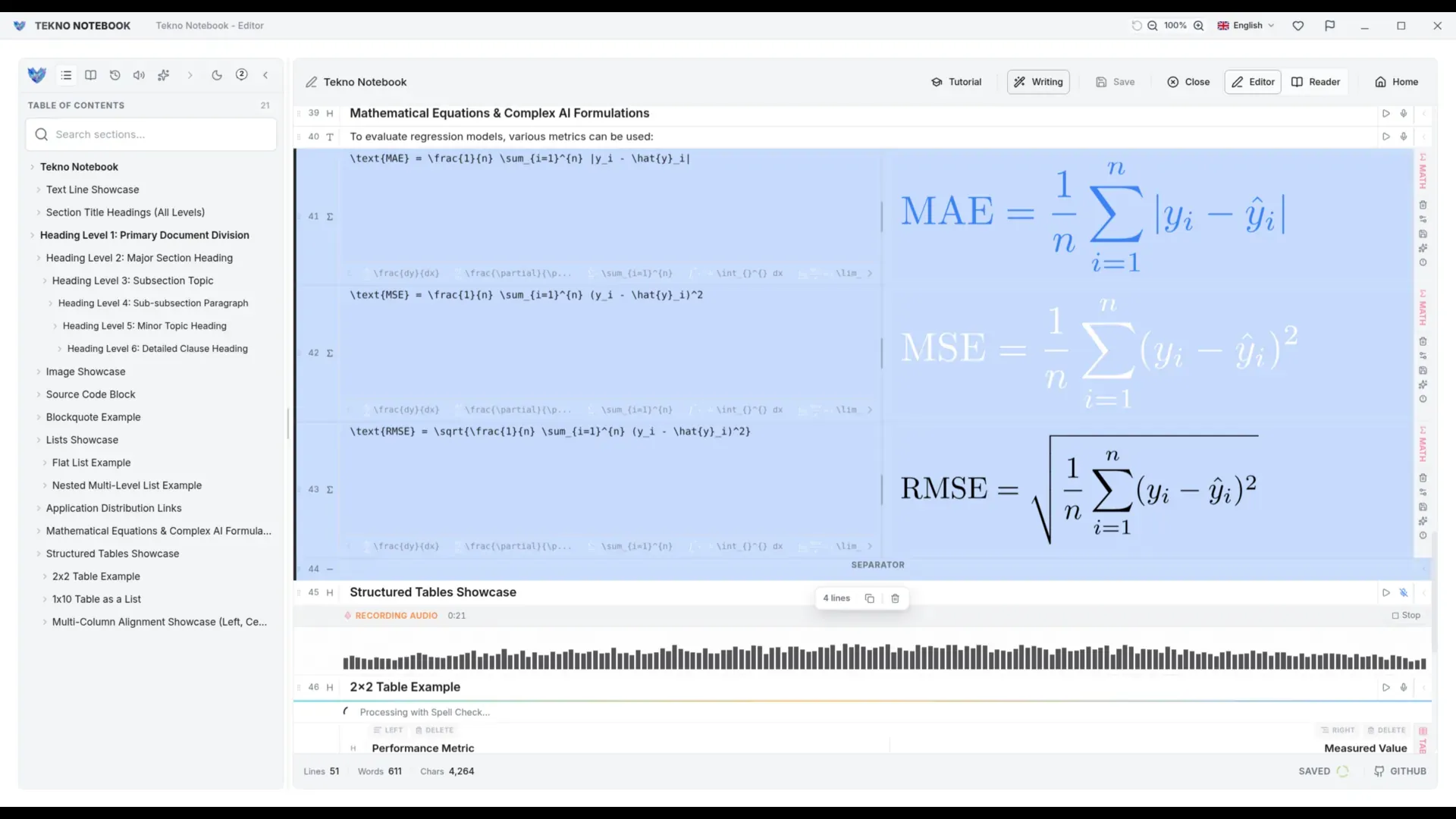
Tekno Notebook brings structured notes, live LaTeX math, and offline text-to-speech with automatic line tracking into one distraction-free desktop workspace—making dual-channel review effortless.

Tekno Notebook
Listen to Your Notes Like a Media Player and Retain Twice as Much
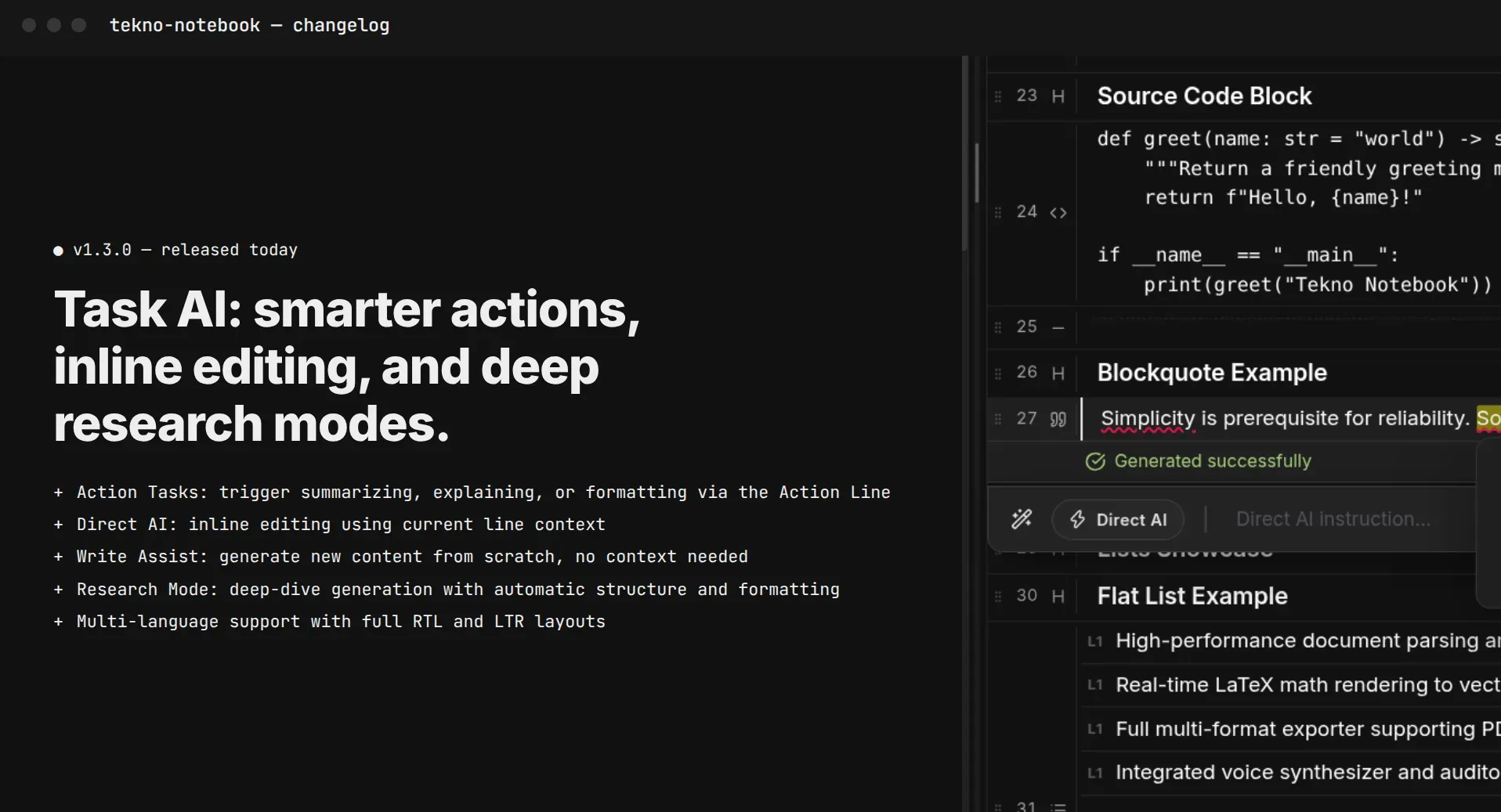
Transform static written notes into an interactive audio track. Tekno Notebook combines built-in Text-to-Speech, Speech-to-Text, and synchronized line highlighting in a distraction-free desktop app.
- Built-in media player with play, pause, seek, and playback speed controls
- Auto-Tracking highlights the exact sentence or line as it is read aloud
- Multilingual Text-to-Speech support including Arabic, English, Spanish, Portuguese, and Chinese
- Integrated Speech-to-Text (STT) for dictating quick insights directly into your notes