The Decoy Effect in Pricing: Why That Awkward 'Medium' Option Exists to Make You Spend More
Small for $3, Medium for $6.50, Large for $7? That awkwardly priced medium tier isn't meant to sell—it's a psychological decoy engineered to push you toward the priciest option.
How One Weird Third Option Creates the Illusion of a Bargain
Humans rarely judge prices in isolation—we judge them against whatever sits right next to them.
When a pricing page shows Basic for $5, Plus for $11, and Pro for $12, picking Pro feels like a genius bargain. In reality, the $11 Plus plan wasn't designed to sell—it is a decoy placed there solely to make the most expensive tier look irresistible.
3 Places You See the Decoy Effect Every Week:
- Coffee Shops & Cinemas: A medium size priced pennies below large nudges customers up from small.
- Software Subscription Tiers: A stripped-down middle plan priced almost identically to the highlighted 'Best Value' tier.
- Electronics Storage Tiers: An awkward middle storage tier makes jumping to the highest-margin model feel 'logical.'
A great deal compared to a bad option is still overspending if you never needed the upgrade.

10-Second Checklist to Beat Decoy Pricing
Bring your decision back to real needs instead of relative price comparisons.
Check these four points before upgrading:
Spotting a few decoy upgrades every month quietly keeps real money moving toward your actual priorities.

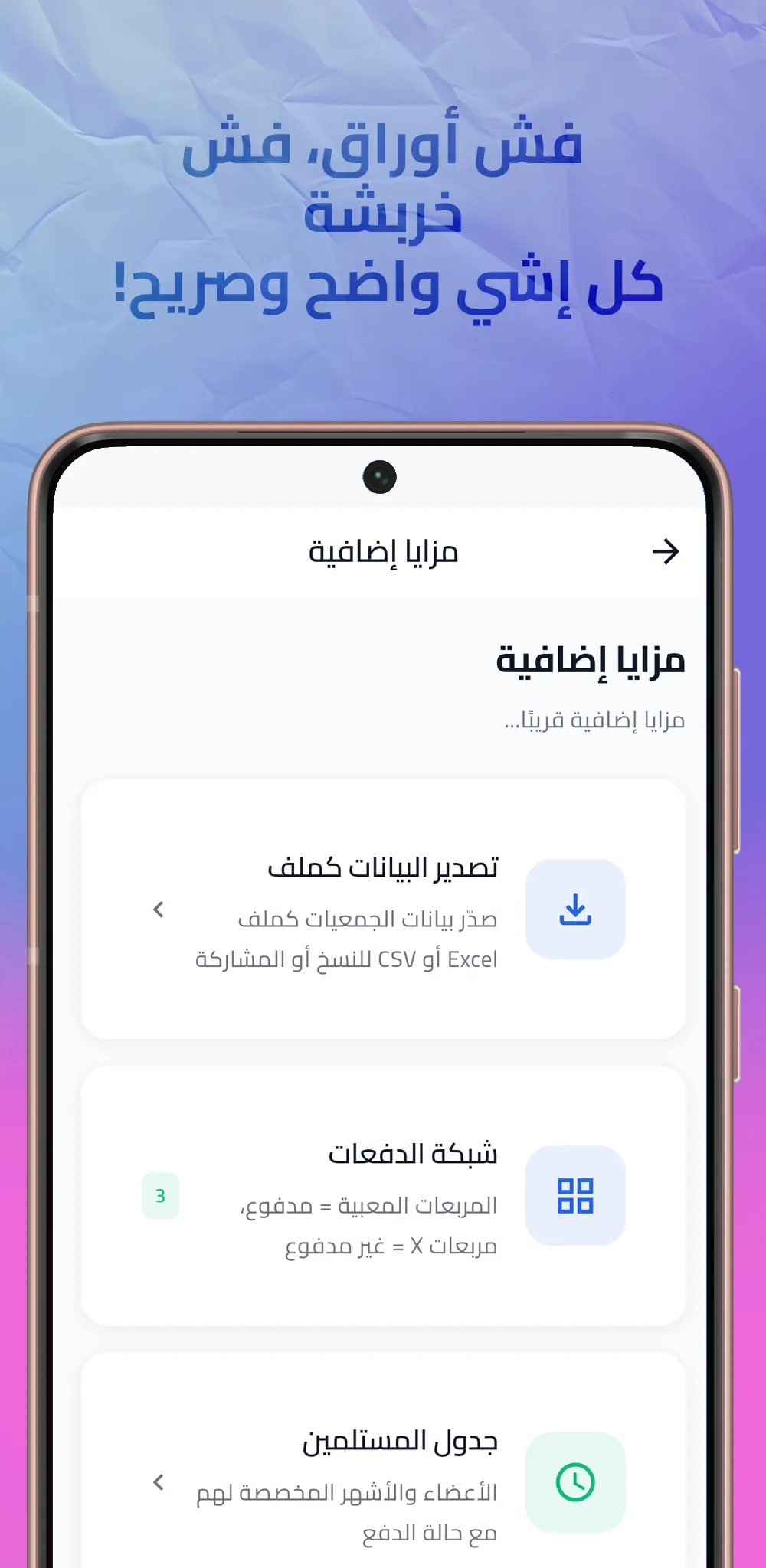
Jameia - Rotating Savings
Track Monthly Contributions and Payout Turns Effortlessly With Jameia
An offline-first mobile app for organizing rotating savings groups with family, friends, or coworkers—complete with automated schedules and clear member reports.
- Clear monthly payment tracking for every group member
- Automated turn scheduling and totals with zero math errors
- Exportable reports that keep trust and transparency high
- Private, offline-first mobile experience