Cosmic Rays and Bit Flips: How a Single Particle From Space Can Crash a Computer
It sounds like science fiction, yet subatomic particles from space routinely flip 0s into 1s inside computer memory. Learn how ECC RAM and checksums stop silent corruption.
How a Particle From Deep Space Alters Computer Memory
RAM stores 1s and 0s as microscopic electrical charges—tiny enough for a stray particle to flip.
Sometimes a mysterious crash isn't a bug in your code—it's a stray particle from outer space flipping a single bit.
High-energy cosmic rays constantly strike Earth's atmosphere, showering the surface with secondary particles that pass right through roofs and silicon chips. If one hits a memory cell at the wrong angle, it can flip a 0 into a 1—a documented hardware event known as a Single-Event Upset, or bit flip.
3 Ways Reliable Systems Defend Against Silent Corruption:
- ECC RAM (Error-Correcting Code): Stores extra parity bits to detect and automatically correct single-bit flips in real time.
- Checksumming Filesystems: Modern storage systems verify mathematical checksums on every read so corrupted blocks are spotted immediately.
- Manual Backup Verification: Running SHA-256 hashes before and after archiving ensures critical files stayed byte-for-byte identical.
# Verify file integrity with SHA-256 checksums
sha256sum archive.tar.gz > archive.sha256
sha256sum -c archive.sha256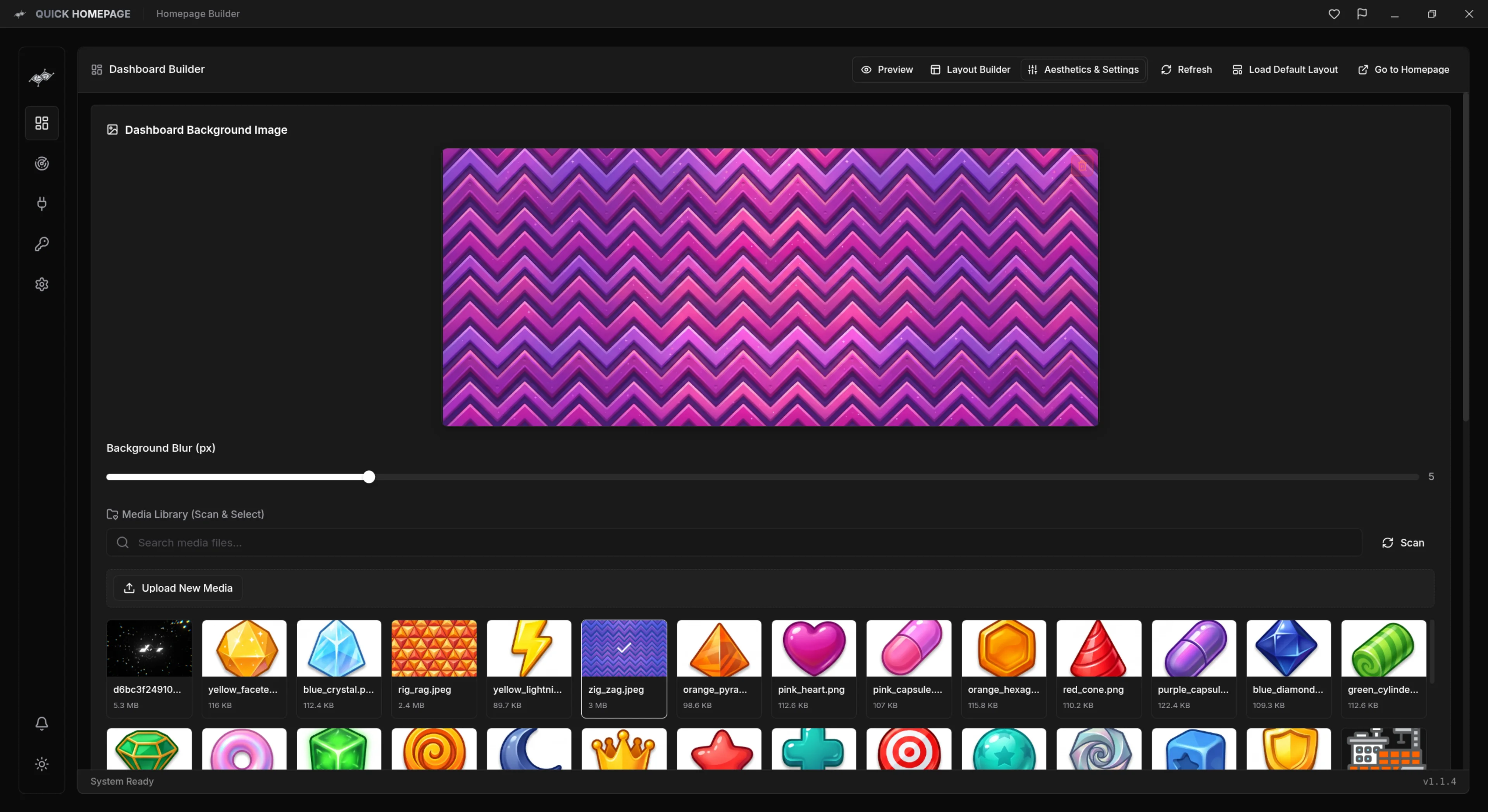
Do You Need ECC RAM on an Everyday Laptop?
Casual desktops rarely notice a random glitch, while 24/7 storage servers benefit enormously.
For everyday browsing and study, a rare bit flip usually causes nothing worse than a random app restart. On always-on file servers or long-term archives, pairing checksum-aware filesystems with verified backups keeps your data intact for decades.

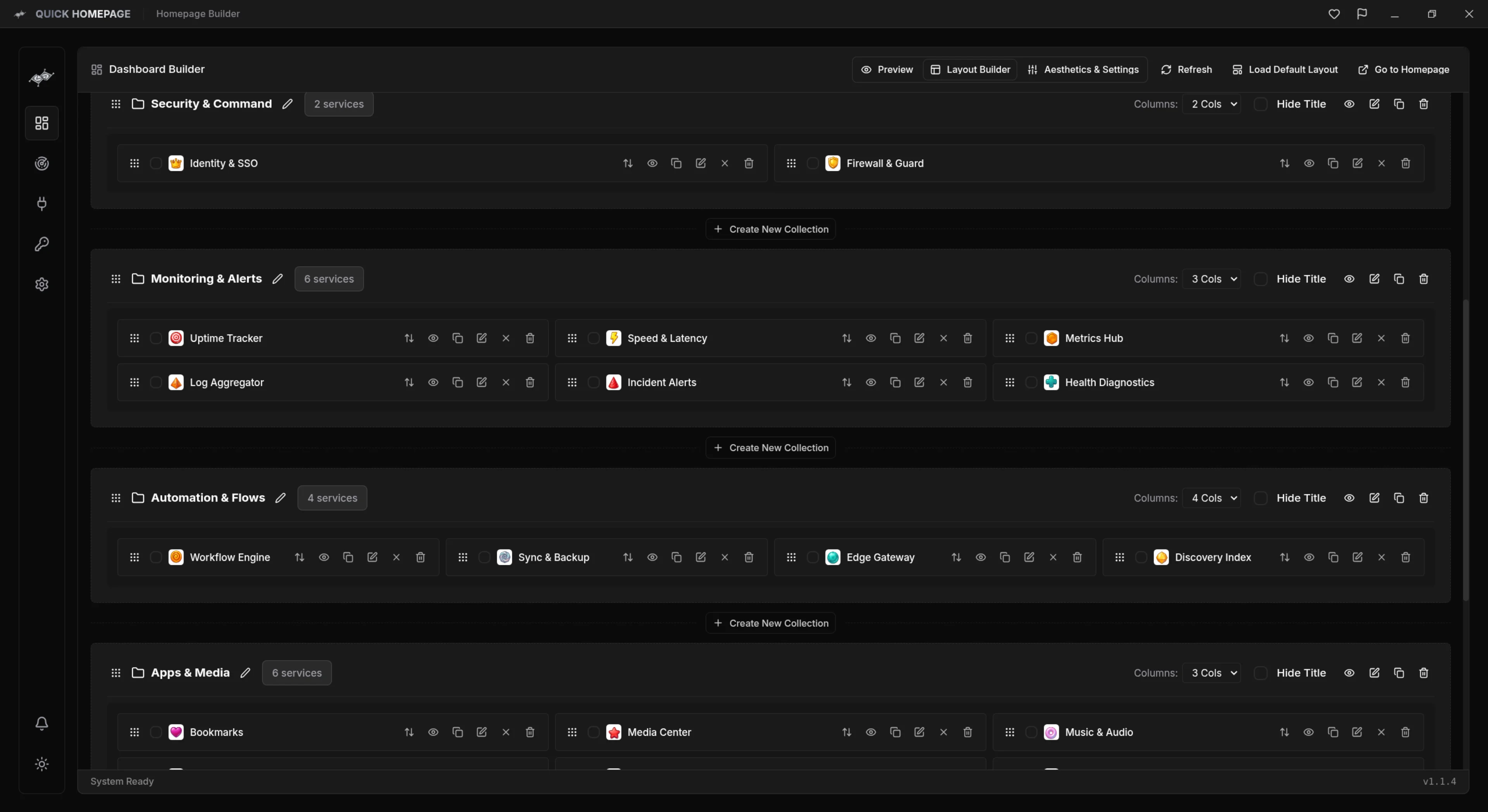
Quick Homepage
Bring All Local Devices and Network Services Together in Quick Homepage
A desktop and self-hosted dashboard that automatically discovers running services on your local network and organizes them into clean, lockable collections.
- Automatic discovery of active devices and services on your LAN
- Custom collections for one-click access to every local service
- Config Lock prevents accidental layout changes
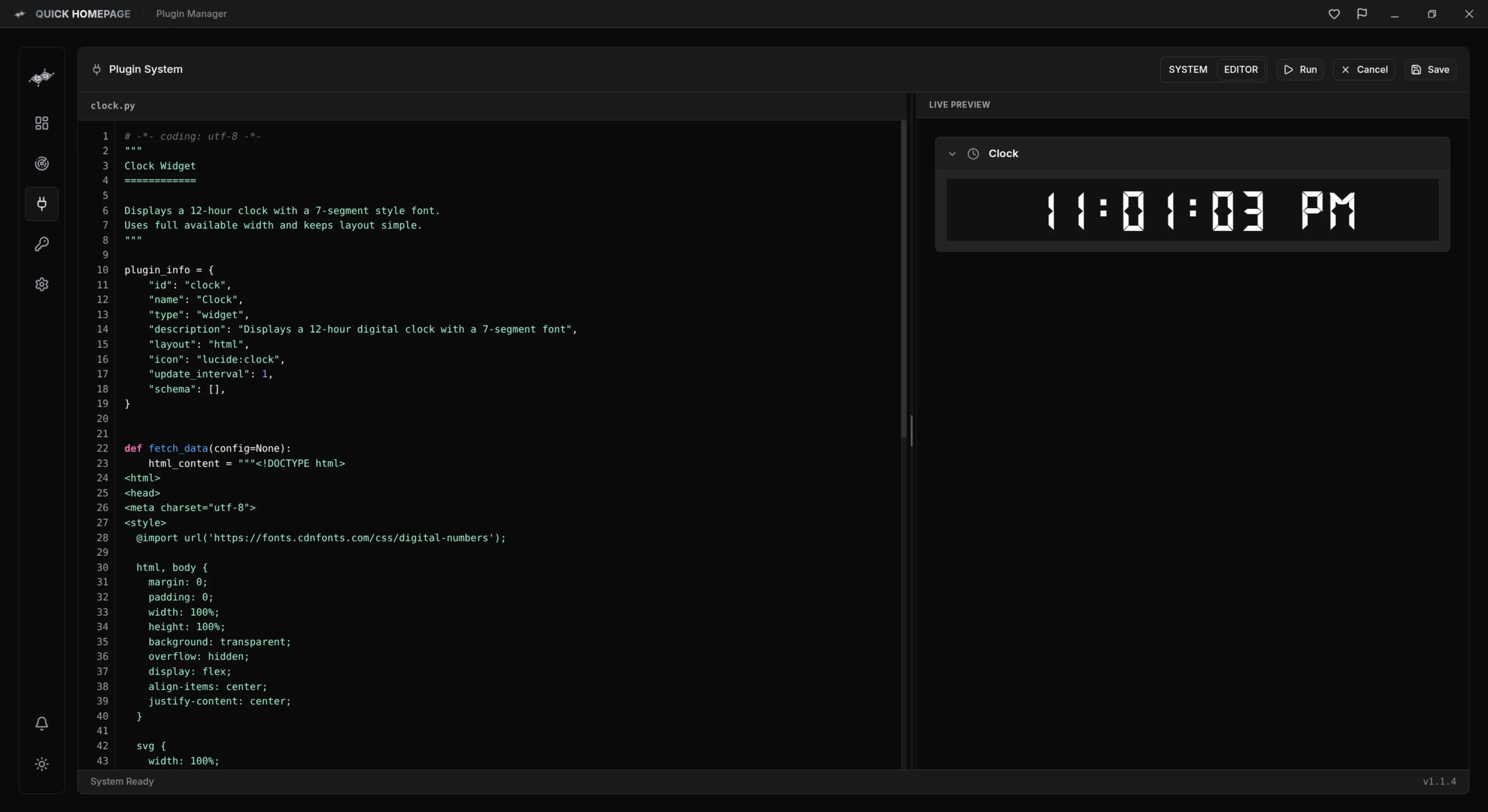
- Visual GUI editor and extensible status widgets