Zero Trust Security Explained: Why a Single Firewall Is No Longer Enough
Assuming everything inside your network is safe breaks down fast in a world of smart devices and remote work. Learn the core principles of Zero Trust in plain language.
Why the Old 'Castle-and-Moat' Firewall Model Broke Down
If one compromised device slips inside a flat network, implicit trust hands it the keys to everything else.
Modern security rests on one clear rule: never trust automatically, always verify every request.
For decades, networks relied on a tough outer firewall while trusting every device sitting inside. Today's reality—laptops moving between cafes, smart TVs, and dozens of connected gadgets—means a single weak device can expose an entire flat network.
Two Core Pillars of the Zero Trust Mindset
1. Verify Explicitly Every Time
Being connected to local Wi-Fi should not grant automatic access to private servers or files. Every sensitive service should require strong authentication and encryption.
2. Enforce Least Privilege
Give each user, app, and device only the minimum access needed to do its job. A smart bulb never needs network access to your work laptop.
4 Practical Ways to Apply Zero Trust at Home or in a Lab
- Isolate smart gadgets and guest devices onto a separate Guest Wi-Fi or VLAN.
- Enable two-factor authentication (2FA) even on sensitive internal admin panels.
- Use a standard account for daily work instead of staying logged in as Admin or Root.
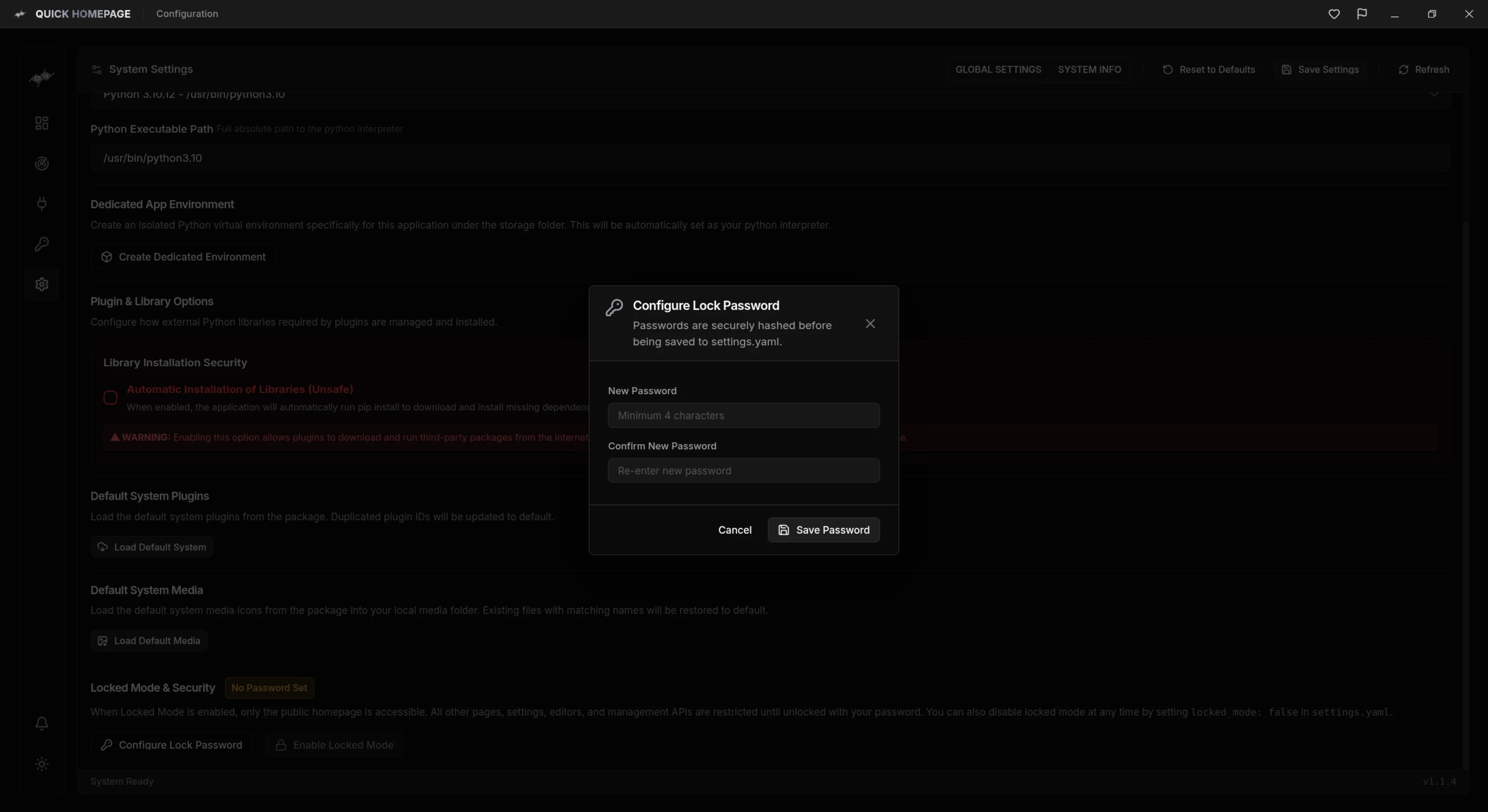
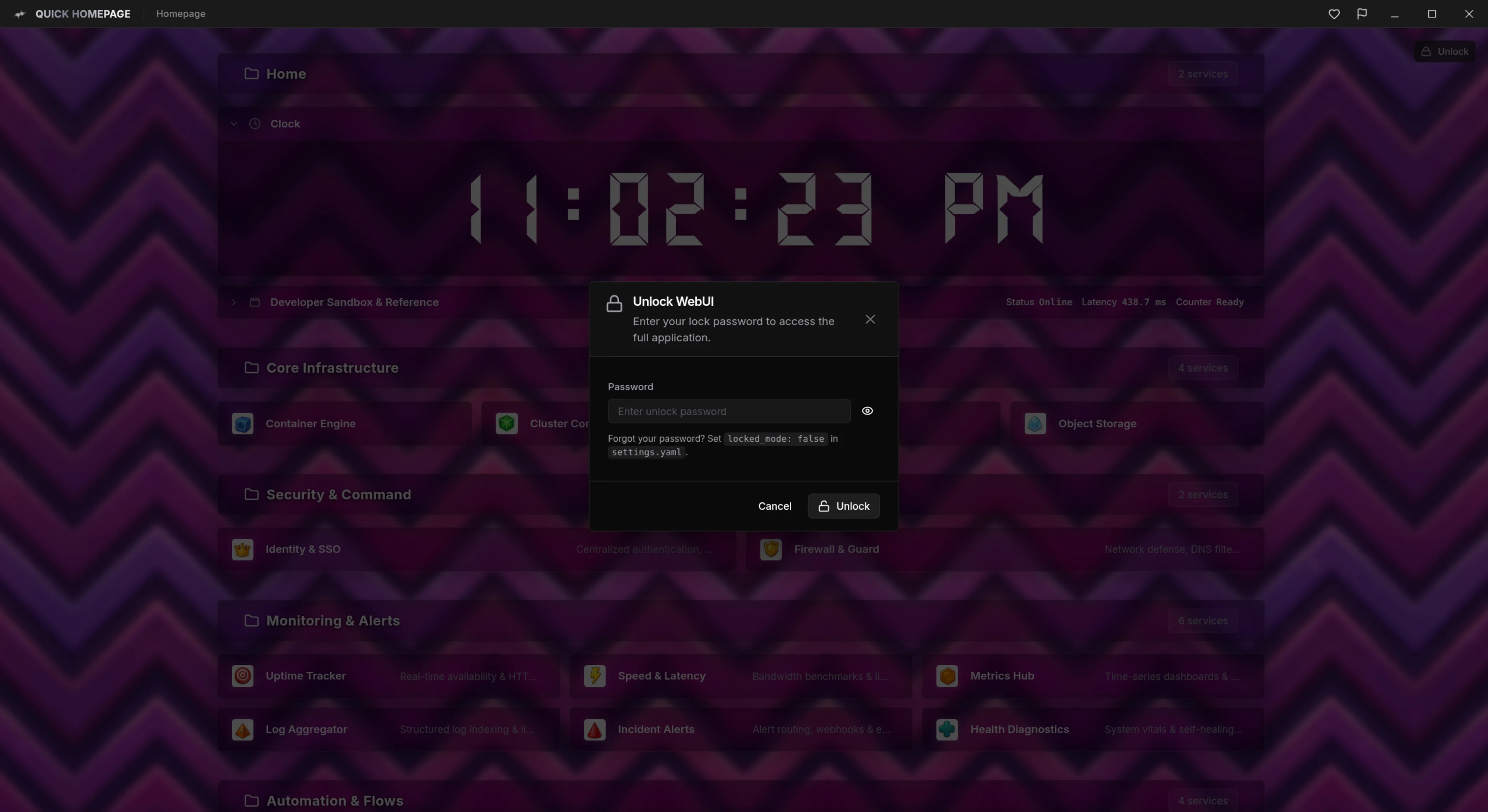
- Lock sensitive tool configurations behind explicit authentication to prevent accidental edits.
A Mindset That Contains Damage Automatically
Zero Trust isn't a pricey enterprise box—it's a smart habit of limiting blast radius.
When devices are segmented and permissions stay minimal, a problem on one machine stays trapped there instead of spreading across your whole digital life.

Quick Homepage
Bring All Local Devices and Network Services Together in Quick Homepage
A desktop and self-hosted dashboard that automatically discovers running services on your local network and organizes them into clean, lockable collections.
- Automatic discovery of active devices and services on your LAN
- Custom collections for one-click access to every local service
- Config Lock prevents accidental layout changes
- Visual GUI editor and extensible status widgets