Wake-on-LAN and Low-Power Home Servers: Cut Electricity Costs Without Losing Access
Your heavy desktop or home server does not need to spin 24/7. Learn how Wake-on-LAN lets you wake machines on demand, lower power bills, and keep services tidy.
Why Pay to Run an Idle Machine 18 Hours a Day?
On-demand wake gives you full hardware power when working—and near-zero draw when resting.
The smartest home server is one that sleeps quietly when idle and wakes in seconds the moment you need it.
Many developers and students keep a desktop or homelab box running for backups, media, or test environments. Yet leaving an 80-to-150-watt machine humming all night adds unnecessary electricity cost, heat, and fan wear. Wake-on-LAN (WoL) solves that cleanly.
How Wake-on-LAN Works Under the Hood
- Your wired Ethernet card stays in a tiny standby listening state (often under 2 watts) while the rest of the PC sleeps.
- Sending a small "magic packet" containing the machine’s MAC address over your local network wakes it immediately.
- Pairing WoL with automatic idle sleep means your hardware powers down on its own once your tasks finish.
wakeonlan AA:BB:CC:DD:EE:FFOne quick command from any Linux machine on your LAN brings your sleeping workstation or server back online in seconds.
Quick Setup Checklist for Wake-on-LAN
Four essentials that take less than ten minutes to configure.
Check off these four items so remote wake works reliably every time:
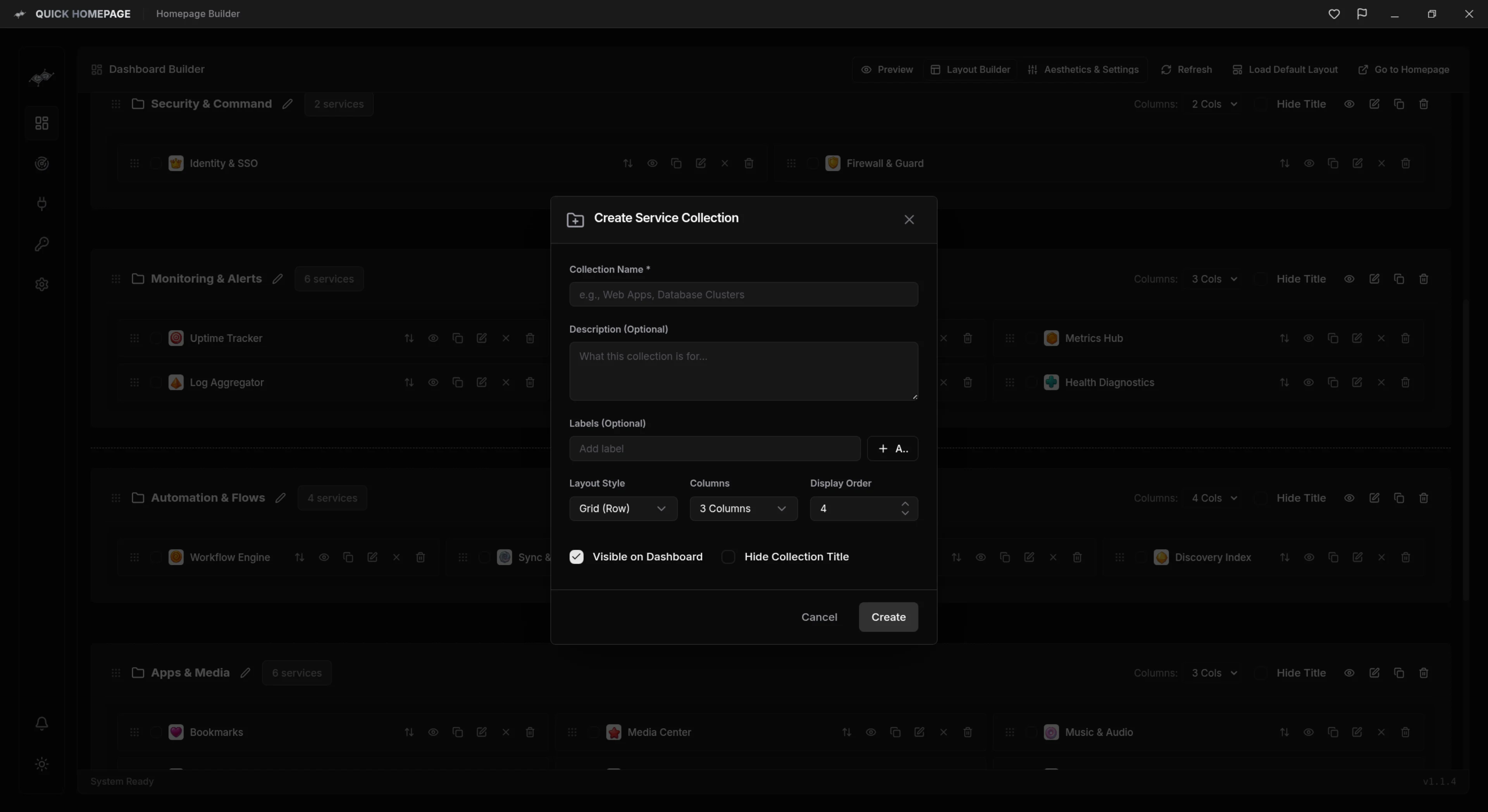
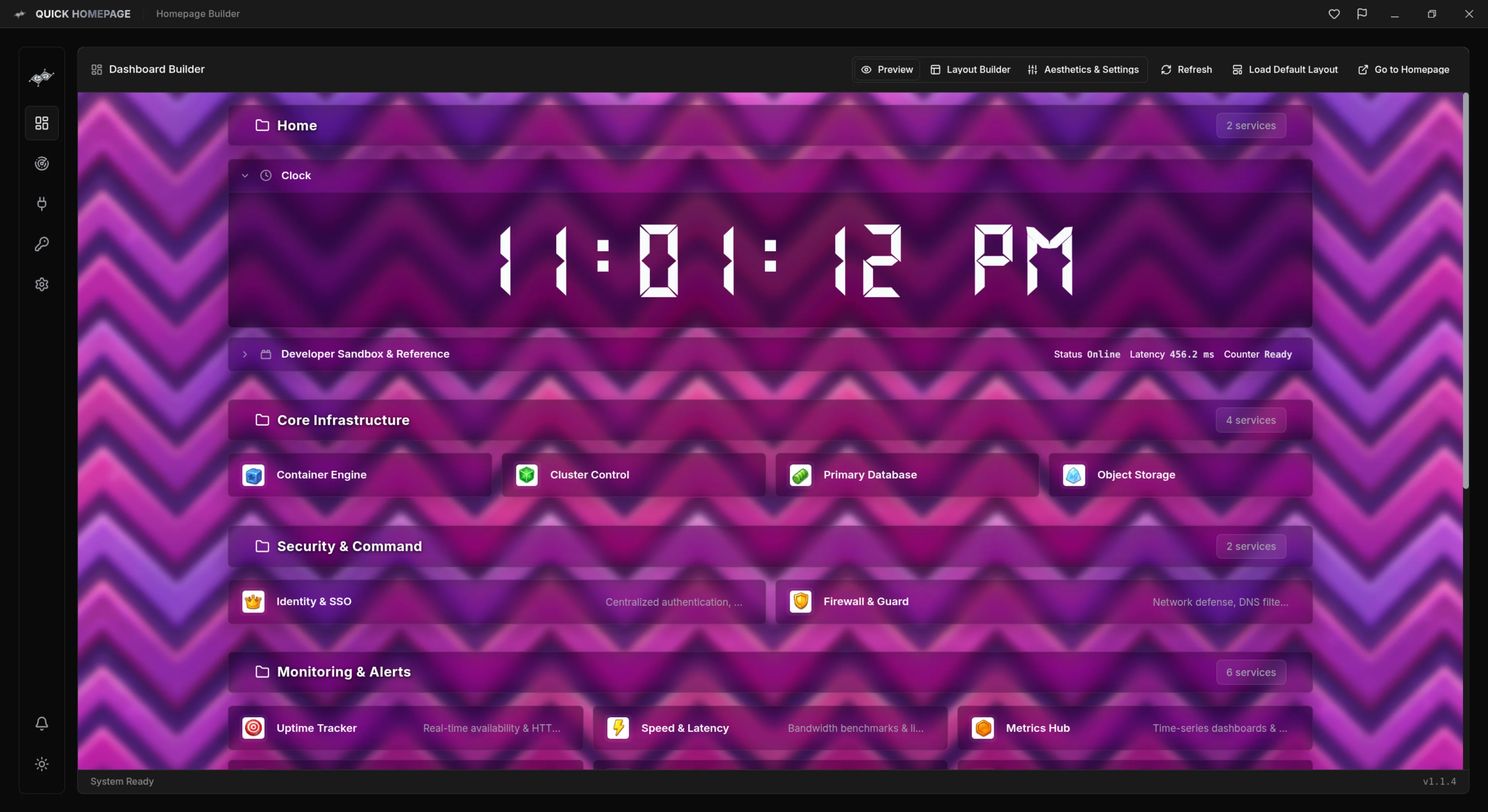
Paired with Quick Homepage, built-in network scanning spots active services as soon as your server comes online and keeps all your local tools organized in one calm dashboard.

Quick Homepage
Every Service on Your Network, One Click Away
Quick Homepage is a desktop and self-hosted homelab dashboard that discovers running services with built-in network scanning and organizes them into collections. Available on Linux and Windows.
- Built-in network and port scanner finds hosts, ports, and services
- Custom names, URLs, descriptions, and icons with a built-in icon and media library
- Collections, layouts, plugins, and live widgets for your homelab
- Configure through the GUI or edit YAML files directly