Mental Accounting Bias: Why We Spend Bonuses and Windfalls Faster Than Our Salary
A dollar from a tax refund or bonus buys the exact same groceries as a dollar from your paycheck—yet our brains treat them differently. Learn how to flip this bias in your favor.
The Invisible Buckets Inside Your Head
Your brain labels cash by where it came from instead of what it is actually worth.
Every dollar has the exact same purchasing power, whether it arrived through a month of hard work or an unexpected bonus.
Behavioral economics calls this bias mental accounting: dividing money into imaginary buckets like 'serious paycheck money' versus 'fun bonus money.' You might hesitate for days before spending $100 from your salary, yet spend a $100 refund or gift in ten minutes without blinking.
3 Everyday Examples of Mental Accounting:
- Burning through bonuses, gifts, or side-gig payouts quickly because they feel like 'free money.'
- Letting cash sit idle in a low-interest account while carrying high-interest debt simultaneously.
- Treating a store refund as permission to buy something unrelated immediately.
The good news is you can flip mental accounting into an ally: giving every savings bucket a concrete name makes your brain fiercely protective of it.
4 Ways to Use Mental Accounting to Grow Your Savings
Turn a common psychological bias into effortless discipline.
Put these four habits to work:
- Use an 80/20 windfall rule: save 80% of any bonus or refund and enjoy 20% guilt-free.
- Label every savings goal explicitly ('Emergency Fund', 'New Laptop') instead of generic cash.
- Review your total income and expenses as one unified picture once a month.
- Clear high-cost obligations first rather than keeping money fragmented across accounts.

Jameia - Rotating Savings
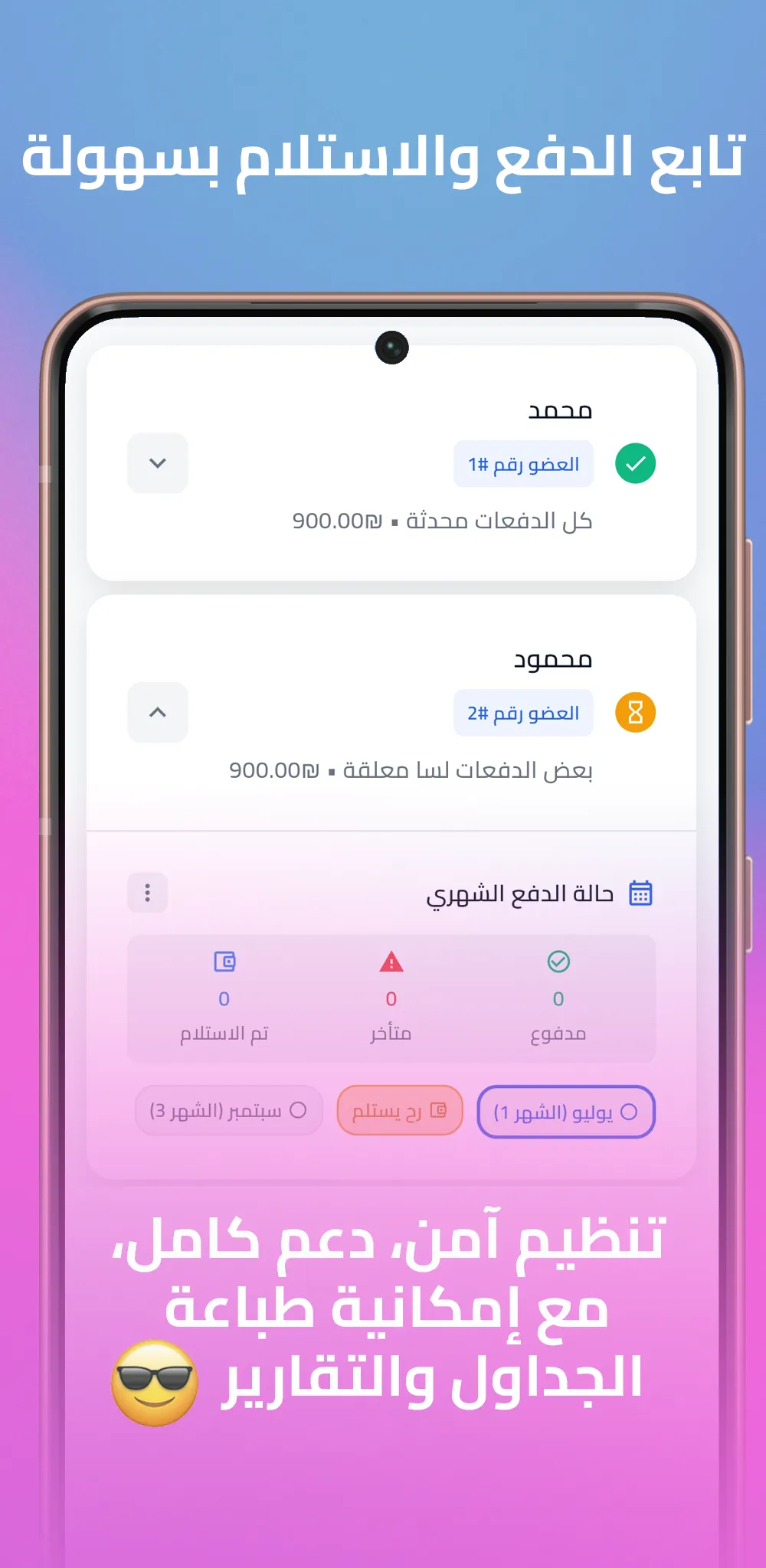
Track Monthly Contributions and Payout Turns Effortlessly With Jameia
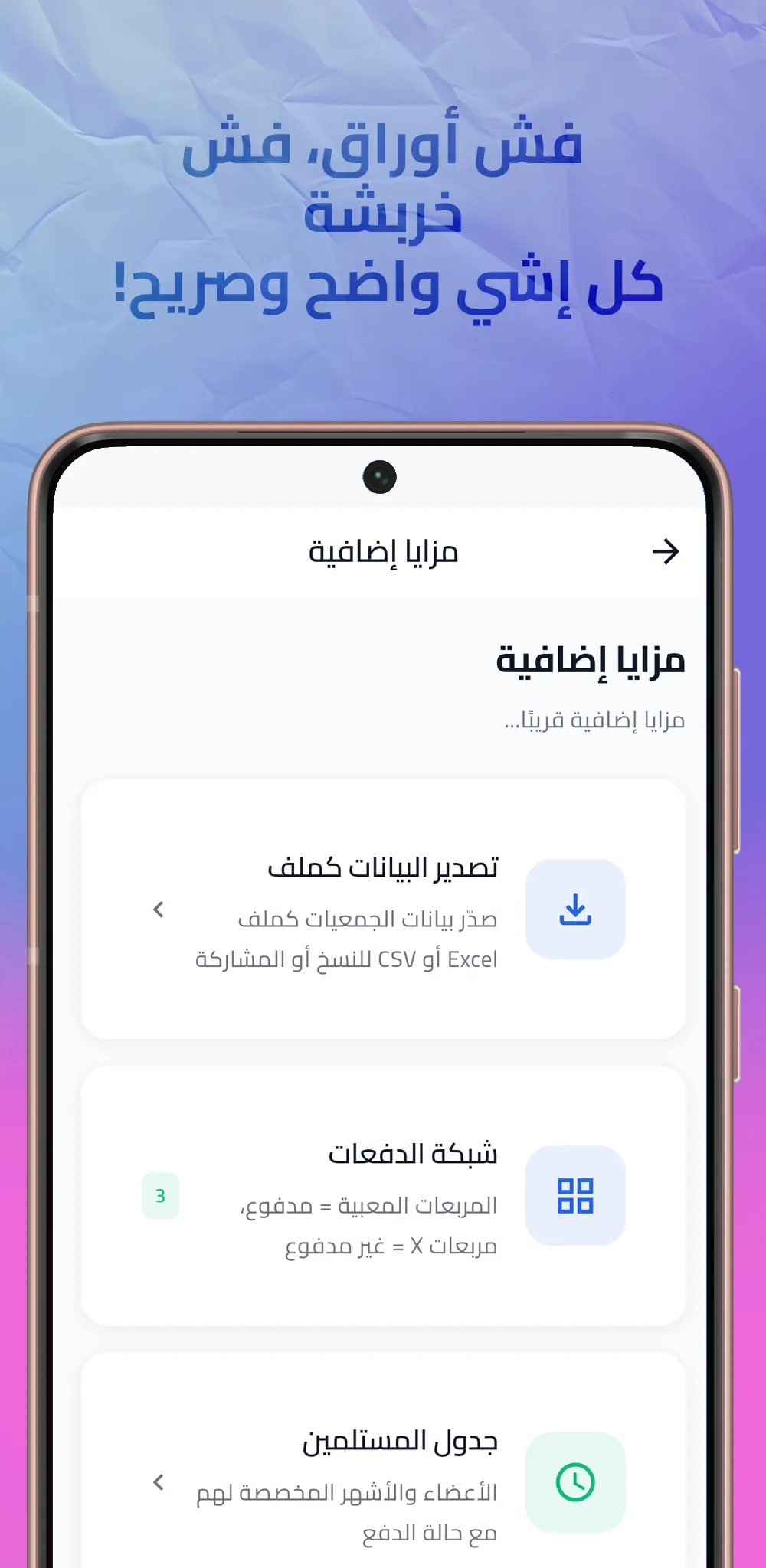
An offline-first mobile app for organizing rotating savings groups with family, friends, or coworkers—complete with automated schedules and clear member reports.
- Clear monthly payment tracking for every group member
- Automated turn scheduling and totals with zero math errors
- Exportable reports that keep trust and transparency high
- Private, offline-first mobile experience