Why IPv4 Ran Out: NAT and IPv6 Explained Simply for Everyday Networks
The early internet only planned for 4.3 billion addresses—fewer than the phones active today. Learn how NAT kept home networks running and why IPv6 is built for the future.
How 4.3 Billion Addresses Stopped Being Enough
In the 1980s, four billion addresses looked endless; today it isn't enough for half the world's devices.
IPv4 uses 32-bit addresses (like 192.168.1.10), capping the global pool at roughly 4.3 billion unique addresses. Smartphones, cloud servers, and smart gadgets quickly outgrew that ceiling—leading to a clever stopgap (NAT) and a permanent successor (IPv6).
How NAT and IPv6 Work Together Today
1. Network Address Translation (NAT)
NAT lets your home router hold one public IPv4 address while handing out private local addresses (like 192.168.x.x) to dozens of devices indoors, translating traffic back and forth like a building receptionist.
2. Internet Protocol Version 6 (IPv6)
IPv6 expands addresses to 128 bits—creating 340 undecillion unique addresses, enough to assign direct, conflict-free addresses to every device imaginable with streamlined routing.
# View your local IPv4 and IPv6 addresses
# Linux / macOS:
ip addr show

# Windows:
ipconfig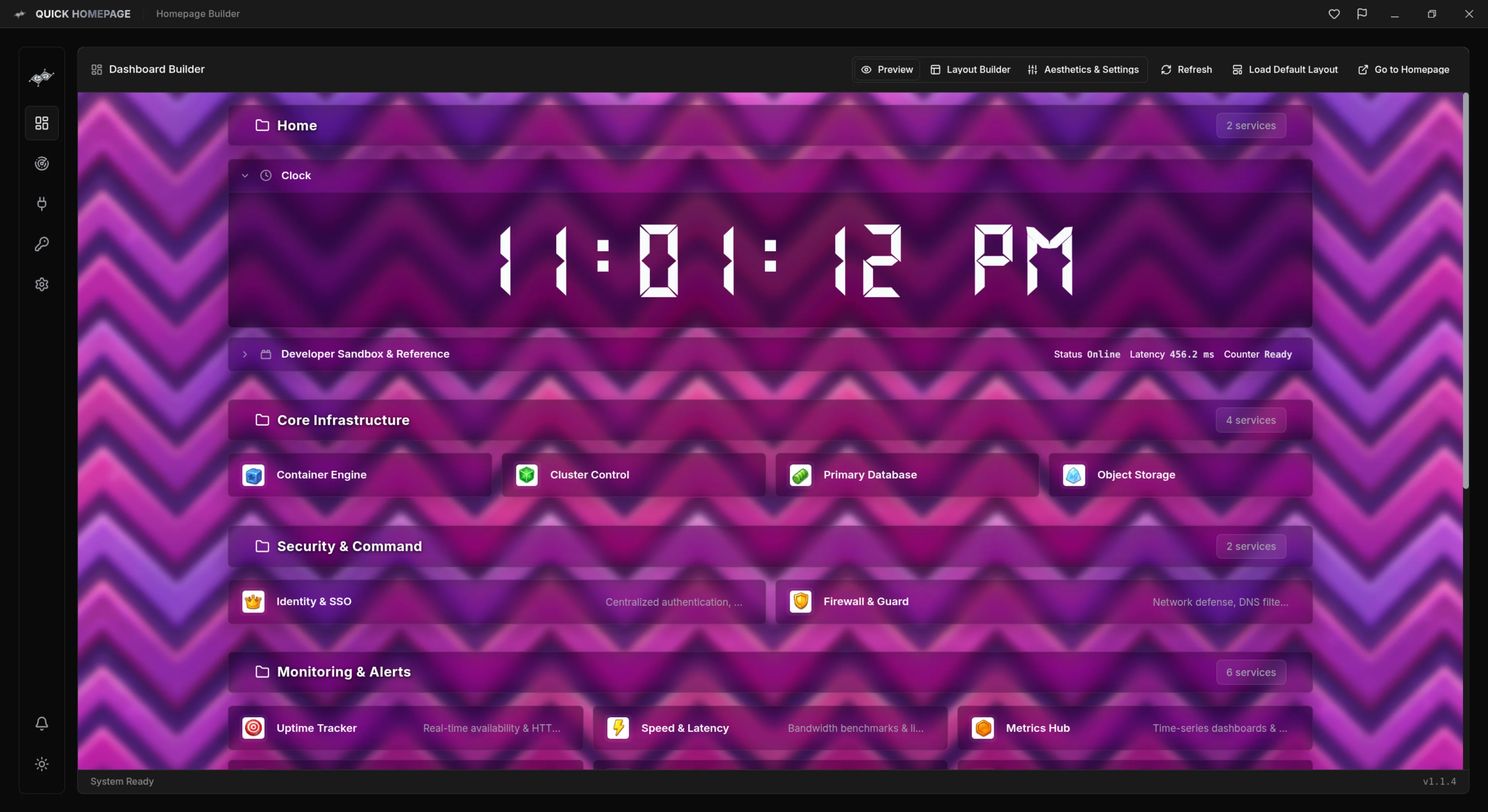
3 Practical Differences Every Tech Learner Should Know
- IPv4 uses dotted decimal numbers, while IPv6 uses colon-separated hexadecimal blocks.
- Many ISPs now use CGNAT to share one public IPv4 across multiple homes, which blocks classic port forwarding.
- Modern operating systems run Dual-Stack, supporting both IPv4 and IPv6 side by side.
Mastering IP Addressing Unlocks Networking
From a home router to global data centers, the exact same principles apply.
NAT stretched IPv4's lifespan by decades, while IPv6 gives the internet room to grow without running out again.

Quick Homepage
Bring All Local Devices and Network Services Together in Quick Homepage
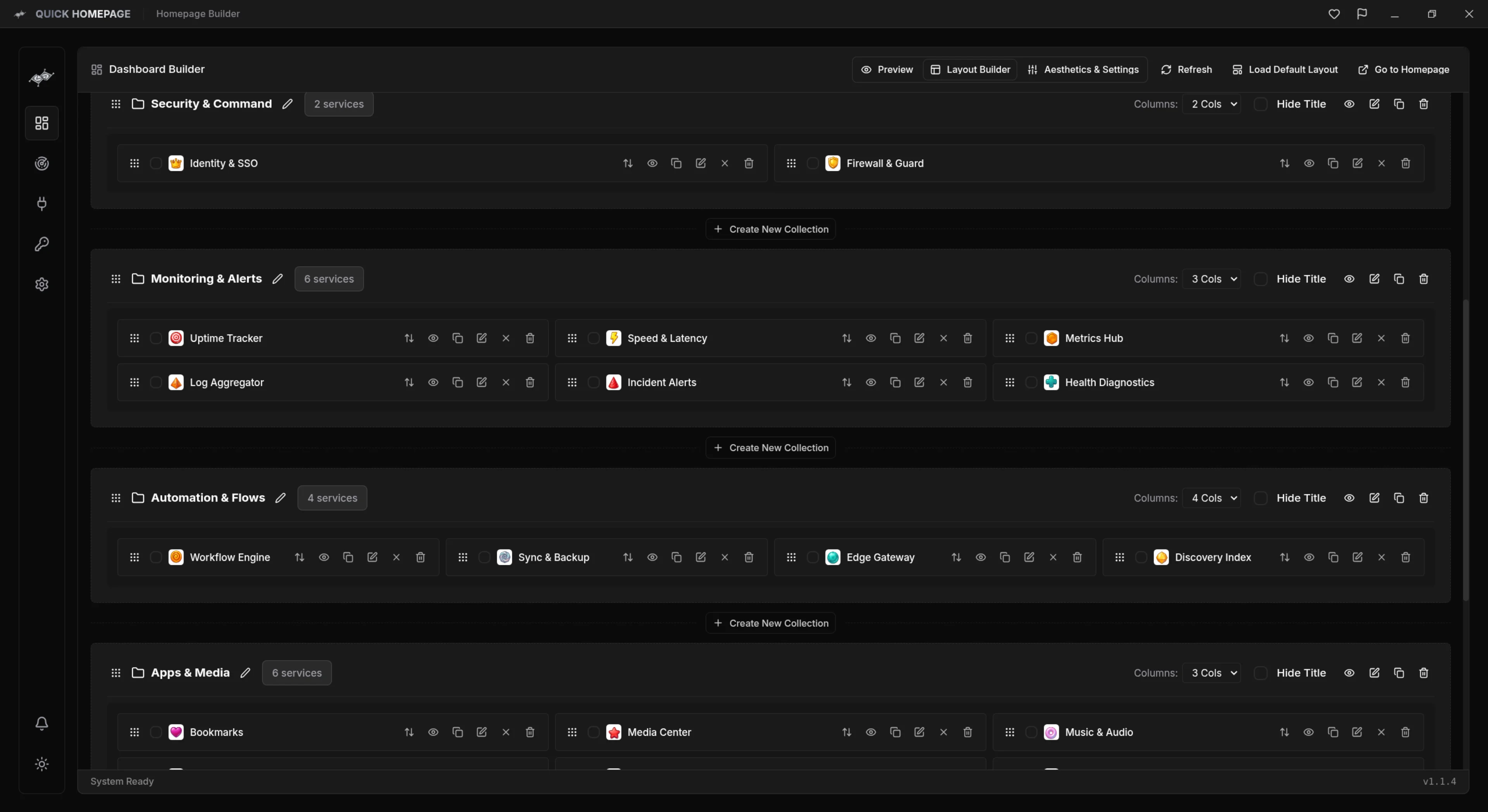
A desktop and self-hosted dashboard that automatically discovers running services on your local network and organizes them into clean, lockable collections.
- Automatic discovery of active devices and services on your LAN
- Custom collections for one-click access to every local service
- Config Lock prevents accidental layout changes
- Visual GUI editor and extensible status widgets