Double NAT Explained: Why Plugging In a Second Router Breaks Local Servers, Printers, and Online Games
Added a second router to boost Wi-Fi and suddenly lost access to your printer or home server? Learn how to spot Double NAT in 10 seconds and fix it with AP or Bridge Mode.
What Actually Happens When You Plug a Second Router Into Your ISP Router?
Your home silently splits into two isolated networks that block devices from seeing each other.
A classic home networking mistake is plugging a new Wi-Fi router straight into an ISP modem-router combo via its WAN port. That creates Double NAT—two routers issuing two different private IP ranges and stacking two firewalls back to back. Suddenly multiplayer games throw 'Strict NAT' warnings, and laptops on Router 2 cannot reach printers or servers on Router 1.
The Two Right Ways to Run Two Routers at Home
1. Switch Router 2 to Access Point (AP) Mode
Best when you simply want stronger Wi-Fi coverage: AP Mode turns off routing and DHCP on the second unit so every device in your house shares one single subnet (like 192.168.1.x) and communicates cleanly.
2. Switch Your ISP Modem-Router to Bridge Mode
Best when your new router is much better than the ISP box: Bridge Mode makes the first box act as a plain modem, letting your own router handle all routing and firewall duties alone.
# Quick Double NAT check: look at the first TWO hops
tracert -d 8.8.8.8     # Windows
traceroute -n 8.8.8.8  # Linux / macOS

# If BOTH Hop 1 and Hop 2 are private IPs (e.g. 192.168.1.1 then 192.168.0.1)
# -> You have Double NAT inside your home!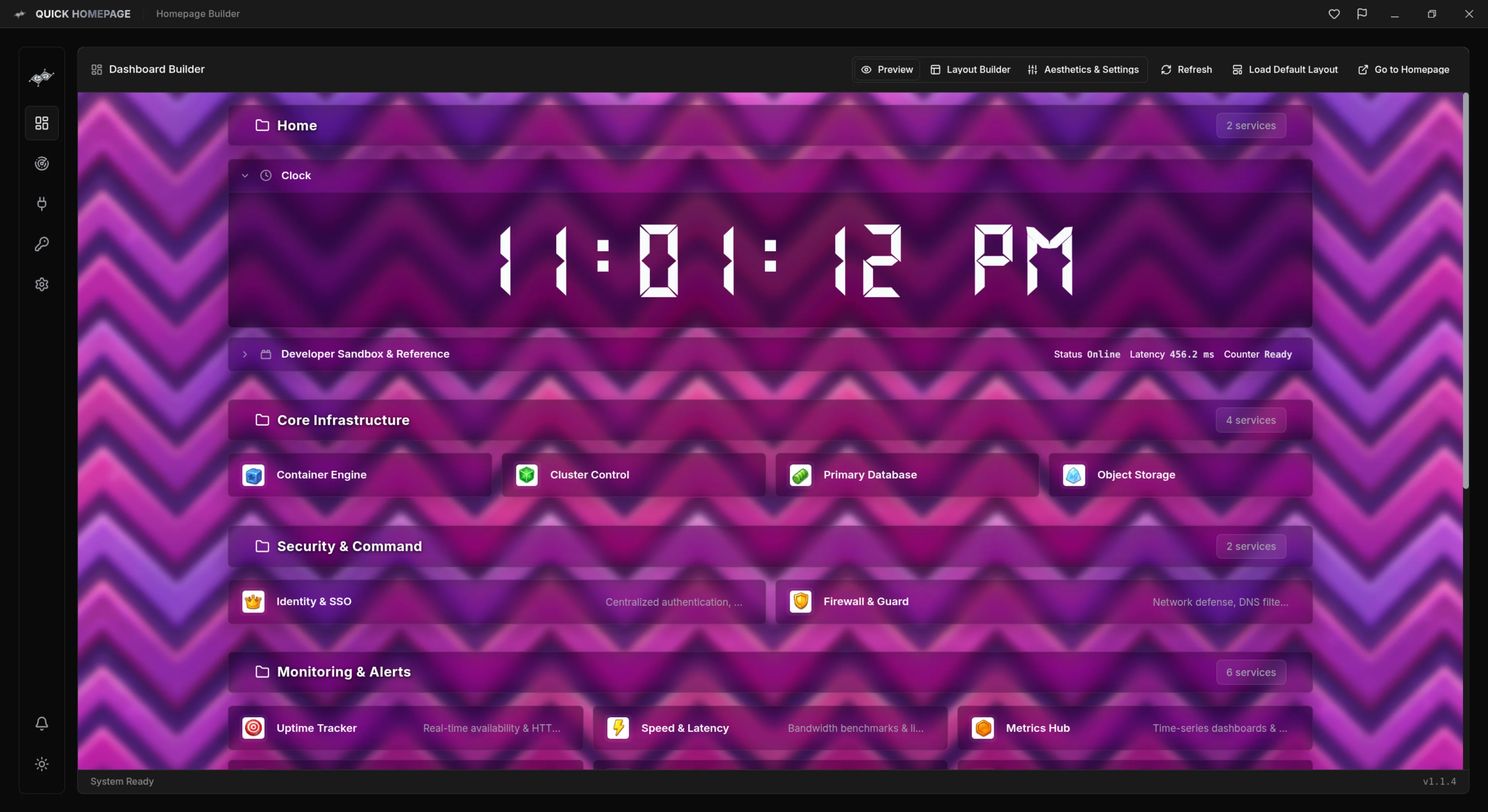
3 Immediate Wins Once You Eliminate Double NAT
- Every device sees your network printer and home server from any room.
- Strict NAT gaming issues and stubborn port-forwarding conflicts disappear.
- Local service auto-discovery works seamlessly across your entire home.
Bring Every Device Together on One Clean Start Page With Quick Homepage
A flat, single-subnet home network makes managing every device effortless.
Once your second router runs in AP Mode, your main router, access point, printer, and home server all sit cleanly on the same network.
One router should direct traffic while extra units extend coverage—that is the golden rule of a trouble-free home network.
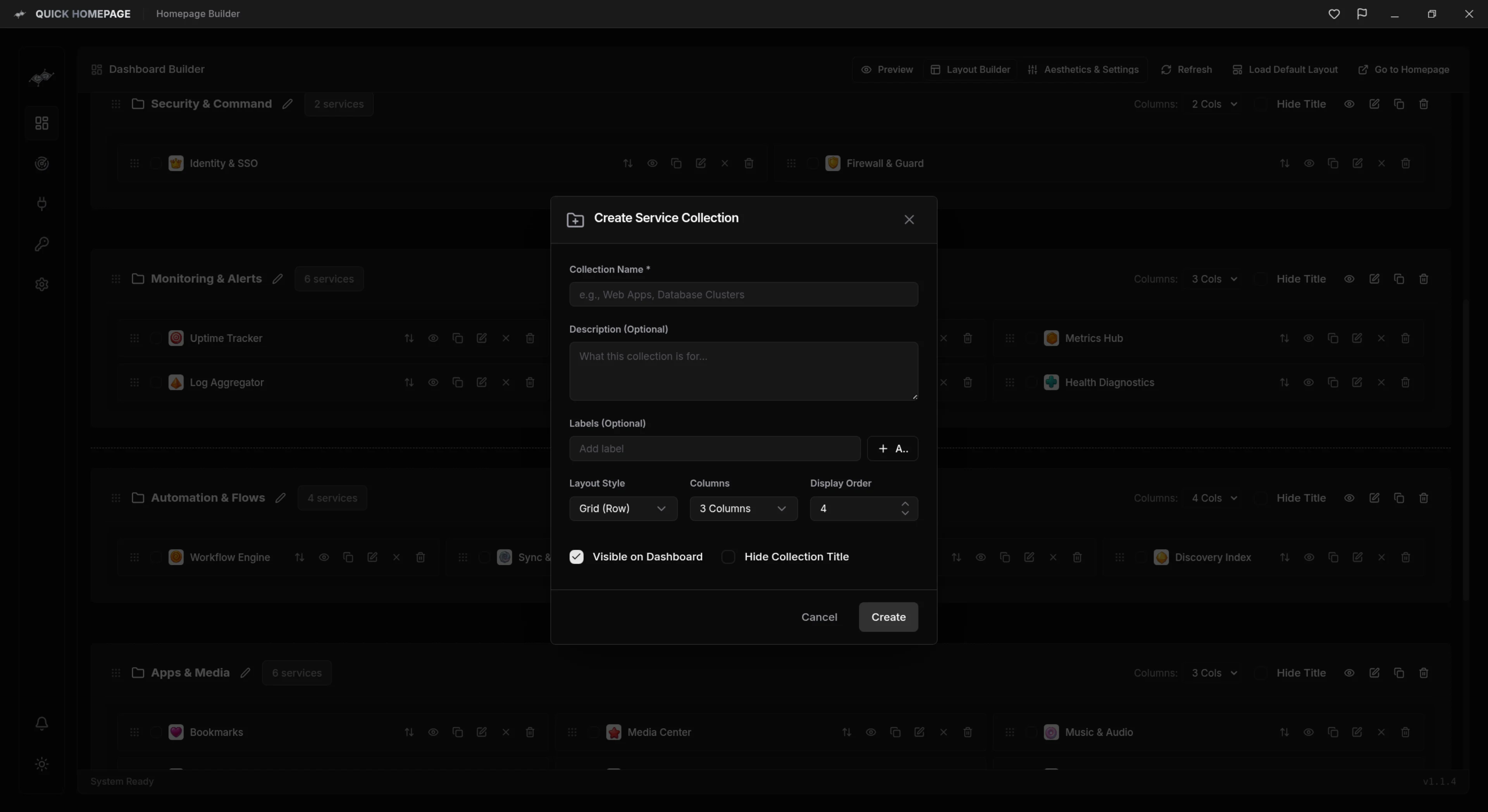
Open Quick Homepage to auto-discover those local interfaces and group them into a neat Network collection you can launch in a single click.

Quick Homepage
Once Your LAN Is Unified, Auto-Discover Every Service in Quick Homepage
Quick Homepage automatically detects active services across your unified home subnet and organizes routers, printers, and servers into one-click collections.
- Auto-discovers active web panels across your local subnet
- Group routers, access points, and servers in clean collections
- Fast GUI editor updates local links without config files
- Lightweight local desktop app with zero external tracking